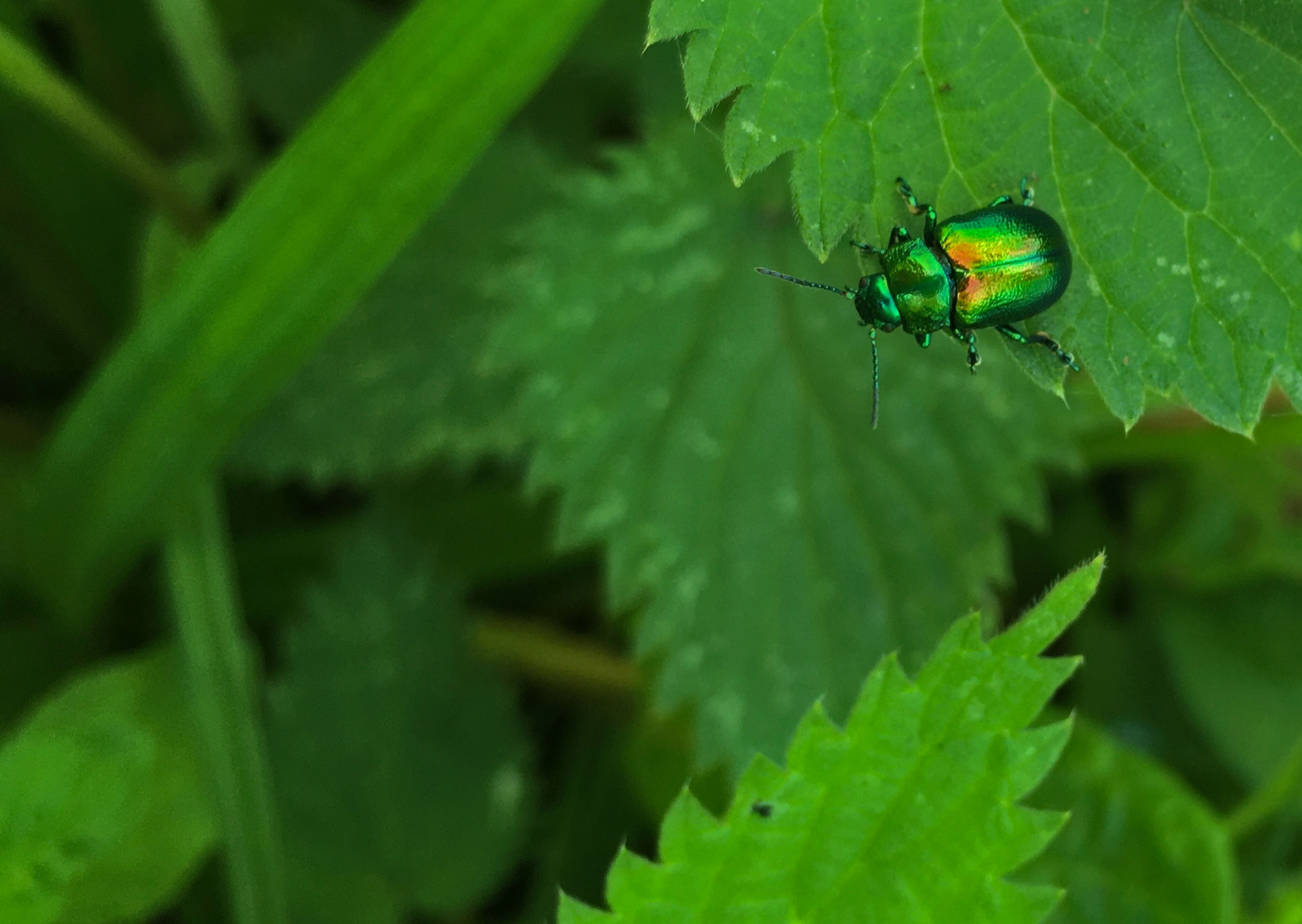
Found in just two places in the UK, the Tansy beetle is an
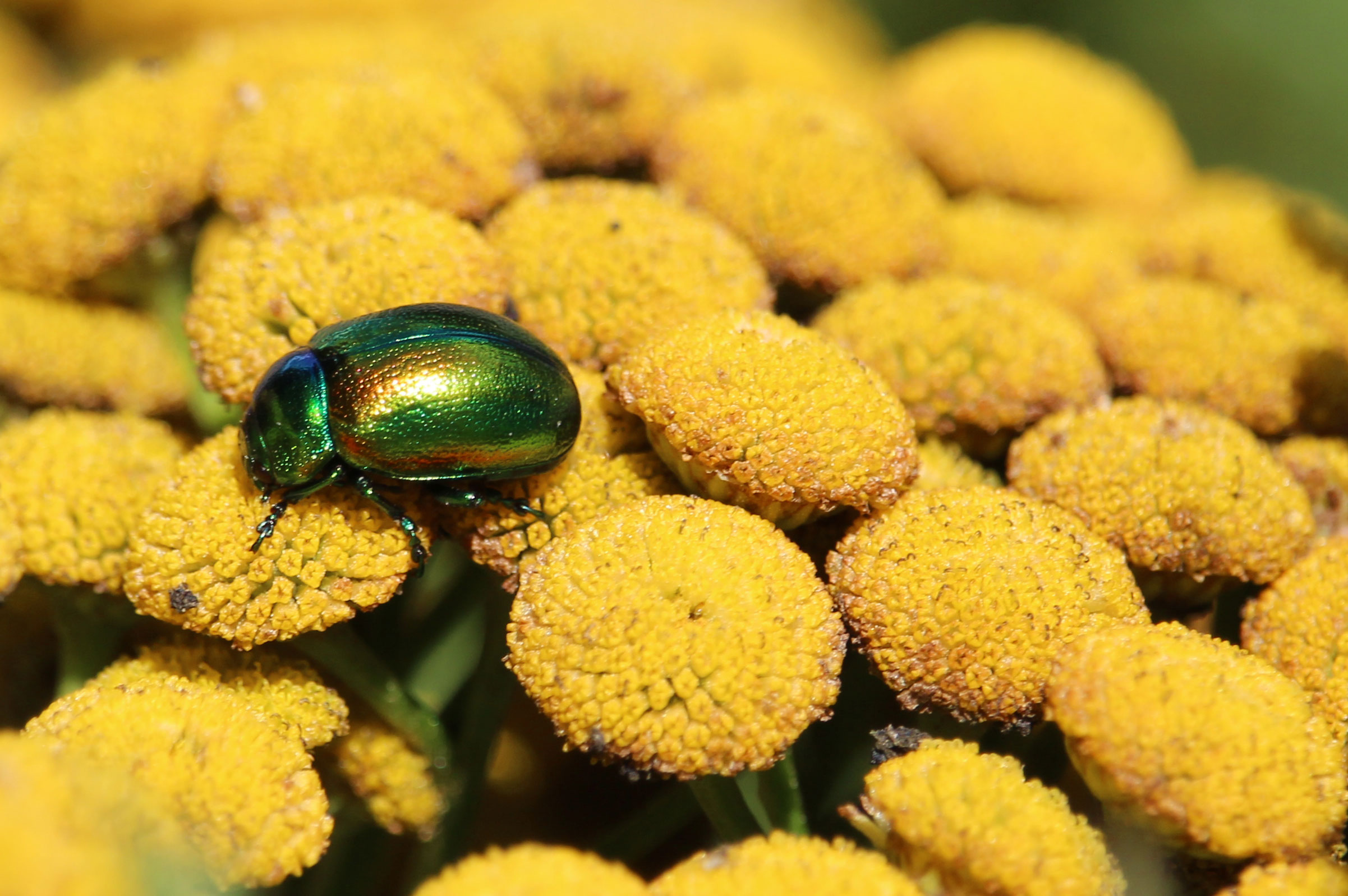
incredibly rare, jewel-like insect with a beautiful metallic
shell.
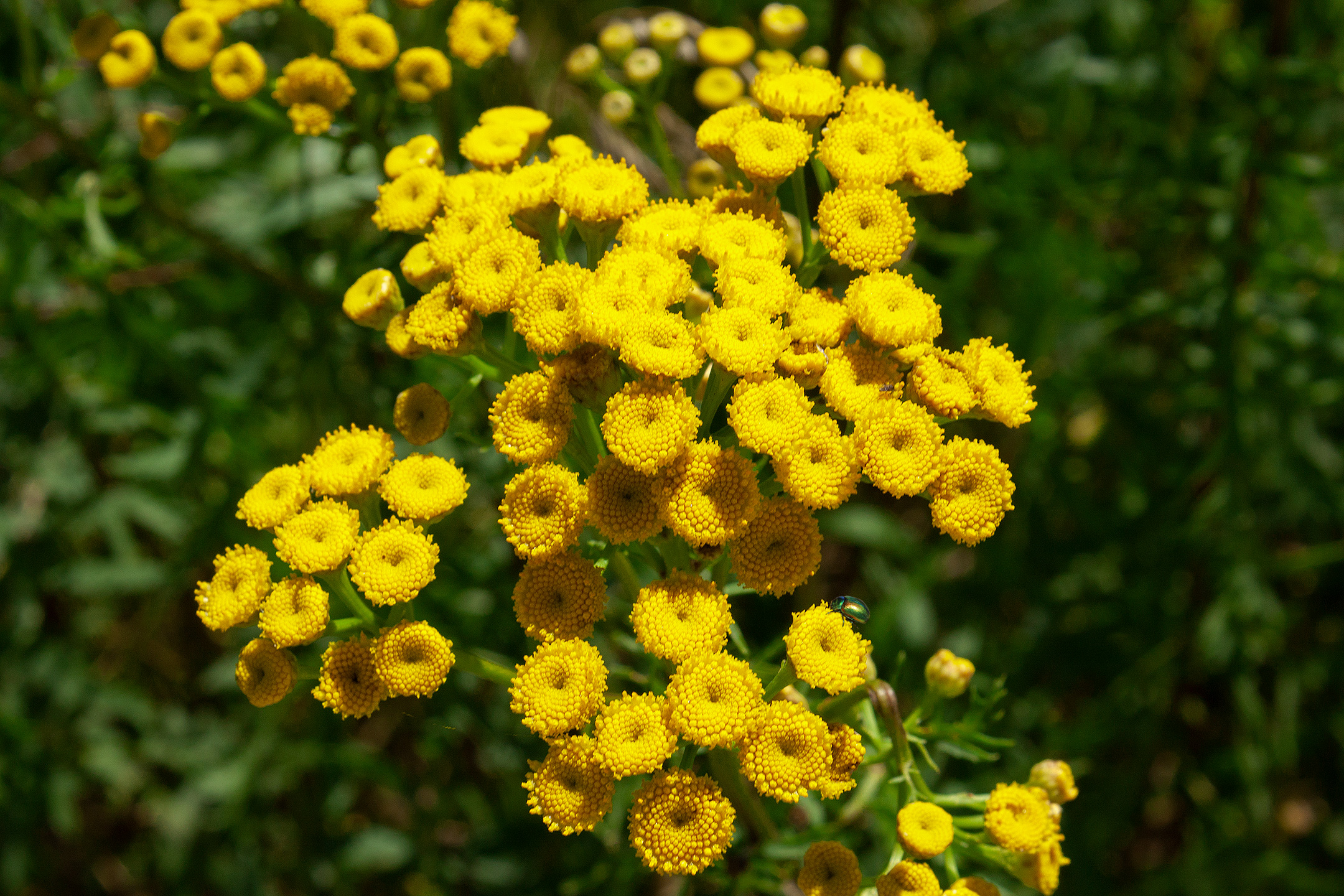
It gets its name from the yellow-flowered
Tansy plant
which is its main food source and habitat.
Despite having wings, the Tansy beetle doesn’t fly and roams no
more than 200m from one plant to another. This makes the beetle
colonies extremely vulnerable to environmental threats like
flooding which can wipe out entire populations.
Thankfully, conservation groups like the
Tansy Beetle Action Group
are taking steps to preserve this stunning beetle.
Where to find the Tansy beetle
The endangered Tansy beetle is known to live in just two places in
the UK: along a 300km stretch of the river Ouse in North Yorkshire,
and in the East Anglian fens.
The best time to search for Tansy beetles in these two hotspots is
on a sunny day in April and May, or August and September when adults
are feeding and laying eggs on their host plants.
A member of the Leaf Beetle family, the Tansy beetle is easily
confused with the similar mint leaf beetle, and dock beetle.
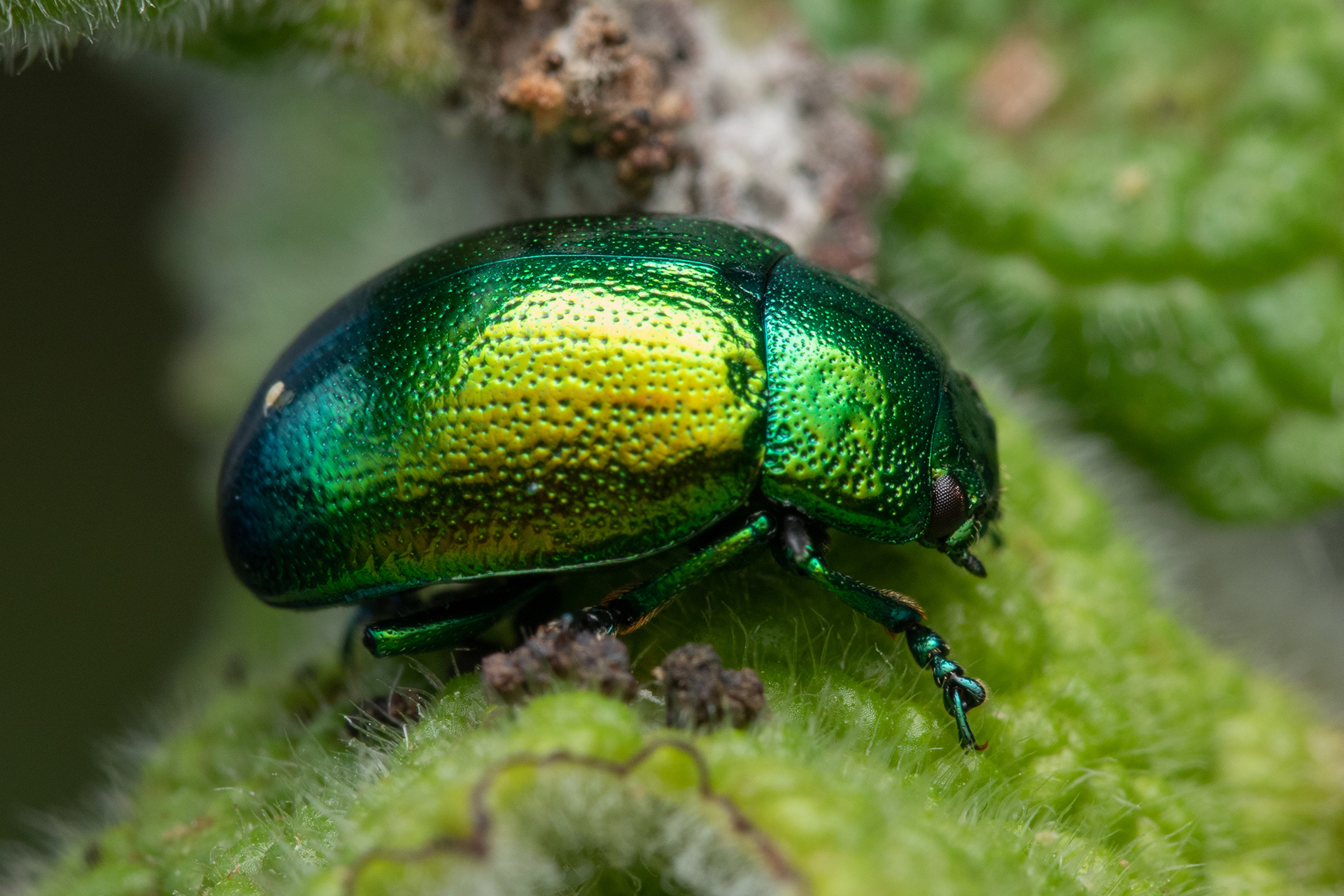
Hover over the image to see the Tansy beetle’s unique
features.
Irregular dimples.
Notice how the Tansy beetle's wing-shield dimples are larger and
more pronounced than the dimples on its thorax. In contrast, the
mint leaf beetle has consistently-sized dimples all over.
Unique stripes.
Look out for the Tansy beetle's distinctive vertical stripes by the
central suture, where the hard outer wing shields meet. The mint
leaf beetle doesn't have these stripes.
Full wing shields.
On a Tansy beetle, the hard outer wing shields called elytra cover
its entire abdomen, whereas on the mint leaf beetle the elytra are
shorter and expose the rear end.
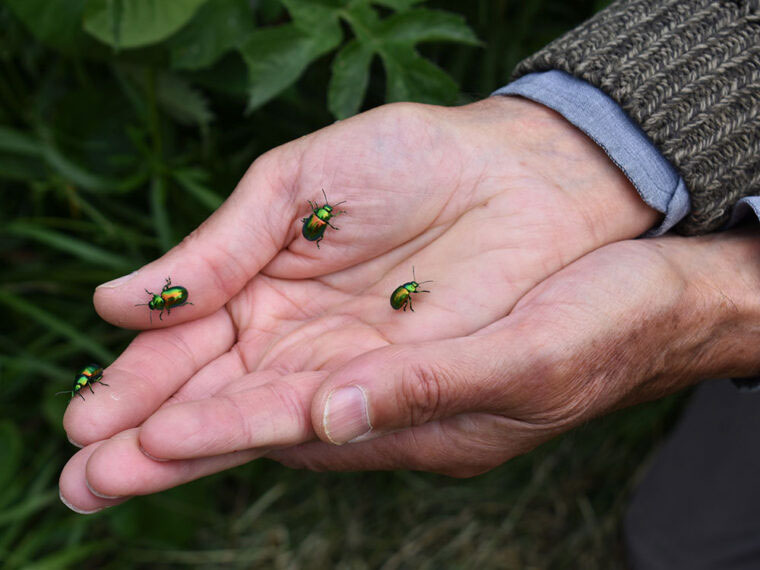
Round and large
The Tansy beetle is between 7mm and 10.5mm in length. It’s fatter
and longer than the dock beetle which is tiny and narrow, only 7mm
long or under.
Help to save the Tansy Beetle
You can support the
Tansy Beetle Action Group
by donating to their charity or volunteering with them, helping to:
Plant tansy along the river Ouse to provide the beetles with more
food and habitat.
Clear invasive plants like Himalayan Balsam, and coppice willow
trees, which compete for light and space with tansy plants.
Count beetles in the annual beetle survey to monitor the existing
beetle population along the River Ouse and in Woodwalton Fen.
Other ways you can help:
Adopt a Tansy beetle
symbolically through the Wildlife Trust for Bedfordshire,
Cambridgeshire, and Northamptonshire, or make a donation to their
charity.