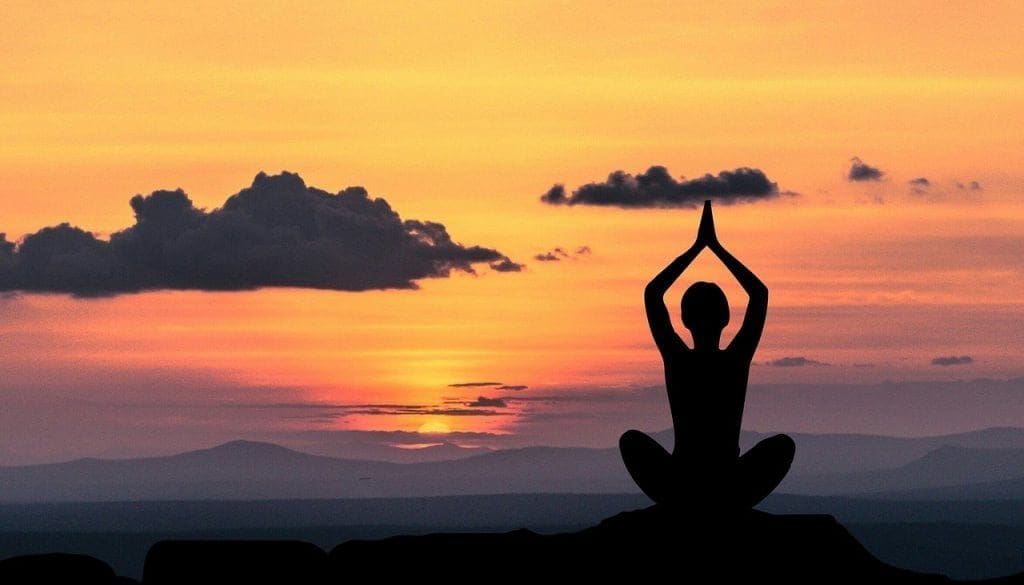
Yoga has evolved thousands of years to become a global phenomenon. While many associate yoga with flexibility and physical postures, its original purpose and essence go far deeper. The origins of yoga date back over 5,000 years in the Indus Valley. During this time, spirituality and life were intertwined, laying the foundation for what we now call yoga. The first references to yoga appear in the Rigveda, an ancient Indian text from around 1500 BCE. The Rigveda contains hymns, mantras, and rituals. All emphasise breath control, discipline, and a connection to a higher power.
By 500 BCE, texts like the Upanishads further developed the philosophy of yoga. Introducing concepts of meditation and self-realization. This period also saw the rise of Buddhism, which shares many parallels with yoga’s emphasis on mindfulness and inner peace. One of the most significant milestones in yoga history is the compilation of the Yoga Sutras by the sage Patanjali around 200 BCE. This text laid the philosophical foundation for yoga. Outlining an eightfold path to achieve harmony between the mind, body, and soul. Interestingly, only three of the 196 sutras mention physical postures (asana). These refer to seated positions designed for meditation rather than the dynamic poses we see today.
Hatha Yoga emerged approximately 1500 years ago. This form of yoga introduced physical postures as a means to influence the body’s energy and achieve inner peace. The Hatha Yoga Pradipika, a key text from this period, describes various seated and supine poses. It omits the standing postures common in modern yoga. The goal of these practices was to channel and transform energy. Fostering a deeper connection with oneself and the universe.
The modern yoga we recognize today owes much to Krishnamacharya, a yogi and scholar active in the early 20th century. Supported by a royal patron, Krishnamacharya opened a yoga school in Mysore, India, where he combined traditional yoga with elements of wrestling and acrobatics. He taught young Indian boys sequences of dynamic postures, many of which evolved into today’s popular asanas. Krishnamacharya’s teachings gave rise to influential students such as B.K.S. Iyengar, Pattabhi Jois, T.K.V. Desikachar, and Indra Devi, each of whom played a pivotal role in shaping modern yoga practices, from Iyengar’s precise alignment-focused approach to Pattabhi Jois’ dynamic Ashtanga Yoga. These pioneers introduced yoga to the West, where it rapidly gained popularity.