Châteaux of France
13th and 14th Century French Vineyard Castle Estate
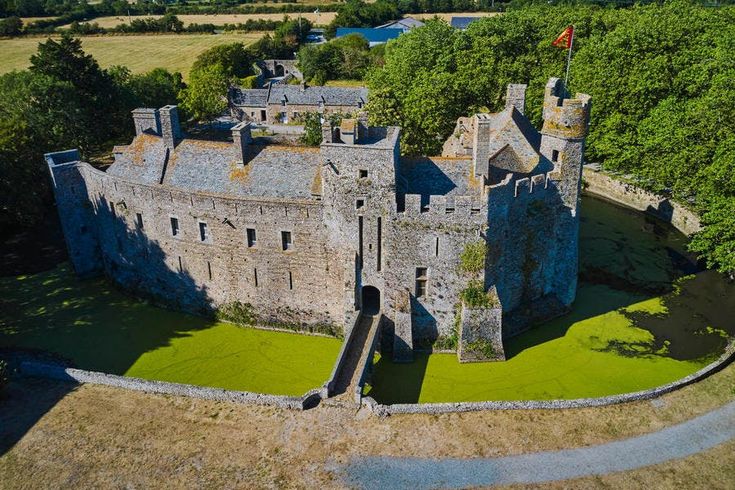
Château fort
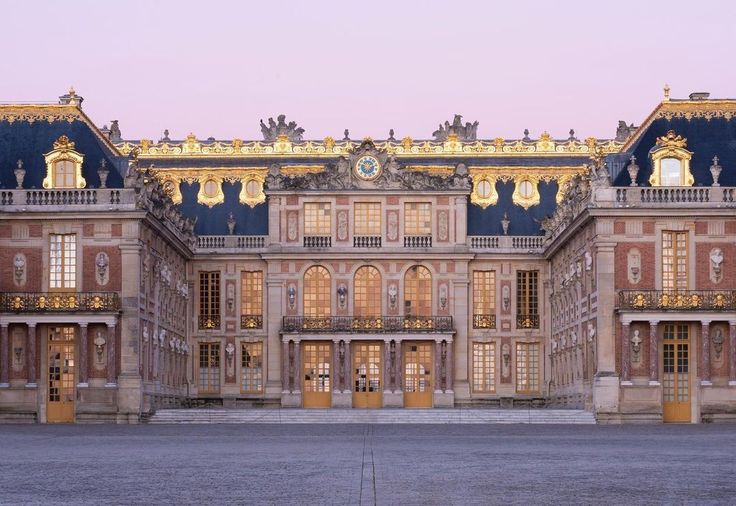
Palais
The story of French châteaux mirrors the social and political shifts
that shaped the nation over a thousand years. Each era introduced these
estates’ new functions, styles, and meanings, moving far beyond their
origins as mere fortresses.
Châteaux first emerged during the feudal era, when land ownership
defined power. Early châteaux were defensive strongholds—built to assert
control over surrounding territories rather than to impress. Constructed
in stone, they featured keeps, drawbridges, and narrow slit windows,
prioritizing survival over aesthetics. These buildings served as
administrative hubs, where local lords enforced laws, collected rents,
and commanded armies.
Their architecture reflected their times: isolated, imposing, and often
built on elevated ground for surveillance and defense. While rural
peasants lived in modest homes, the château became the architectural
embodiment of nobility’s authority. At this stage, châteaux had little
in common with the elegant residences that would come later.
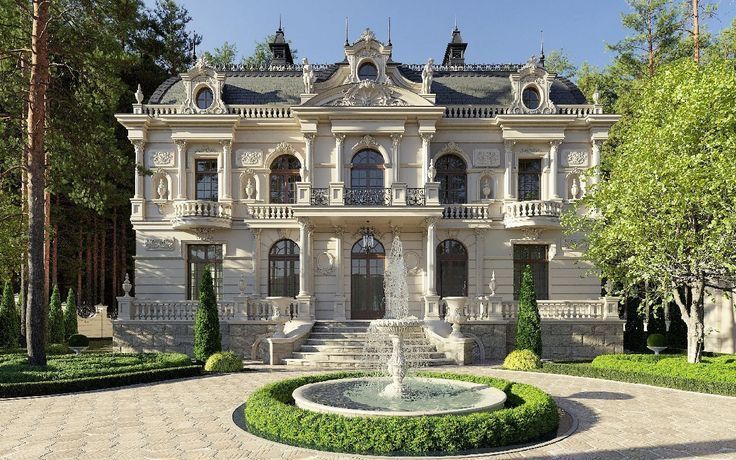
Manoir
History, Architecture, Significance of Chateau in France
When people hear château, they often picture a storybook castle with
turrets and moats. But in France, the meaning is broader—and more
complex. Is it a castle? A palace? A manor house? For international
travelers, heritage enthusiasts, and even property seekers,
understanding what a château truly is can feel overwhelming. France has
tens of thousands of châteaux, each with its own identity, era, and
function.
Some are fortified medieval castles, others are elegant Renaissance
homes surrounded by gardens. Many have been lovingly restored, while
others quietly age in rural isolation. Without context, it’s hard to
know what qualifies as a château, how they differ from other estates, or
why they matter today. This guide clears the confusion. You’ll discover
what defines a château in France, beyond the romantic imagery, and
explore how these estates evolved from noble residences to symbols of
French heritage.
Whether you’re planning a trip, dreaming of a
stay, or simply curious about their legacy, this blog offers a clear,
informed starting point. We’ll walk through their historical roles,
architectural traits, cultural significance, and what visiting or living
in one today means. French châteaux are more than landmarks. They’re
living pieces of history—elegant, enduring, and deeply rooted in
France’s identity.
We can show you Chateaus to purchase / rent within your budget with a series of questions. It is accurate and curated for your needs:
If you'd like to recieve special discount offers on holidays, please enter your email address below:
- Say Hi to us at Instagram: @chateau
- Email us at: [email protected]
- Connect with us at LinkedIn: [email protected]