Echoes of play: South Africa's indegenous
Games
"Play the Past, Feel the Culture"
Across South Africa, indigenous games like Diketo, Morabaraba, and Moruba tell stories of how people lived, learned, and connected long before modern games existed. Often played with nothing more than stones and simple boards, these games turn ordinary materials into something engaging and competitive. They're not just about passing time—they bring people together, challenge the mind, and keep traditions alive. Whether it's planning your next move or testing your coordination, each game carries a piece of history while still feeling just as exciting to play today.
Uncover the heritage and intalligence behind Diketo, Morabaraba, and Moruba- where tradition meets fun😜
- 🪨Diketo
- 🐄Morabaraba
- 🟤Moruba
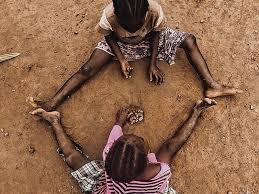
Diketo, also known as Magave, Upuca, or Puca, is a traditional game that comes from Sotho, Tswana, and Pedi communities. It's been played for generations and is all about quick hands and good timing—throwing a small stone up, picking up others, then catching it again without dropping it. It's simple, but it keeps people focused and alert. Beyond the gameplay itself, it's always been something people share, bringing friends together and passing time while keeping a piece of tradition alive. Played mostly by girls using small stones. Learn how to play Diketo
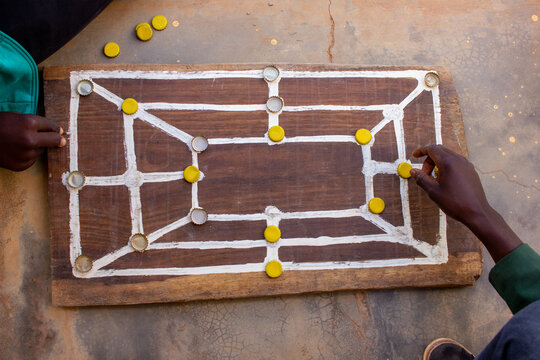
Morabaraba is a traditional two-player strategy game often known as “the game of the nation,” with origins linked to ancient cattle-herding communities. It is an indigenous game with a long history, and a board believed to be over 800 years old was discovered at Mapungubwe in South Africa. While it is sometimes compared to Twelve Men's Morris, Morabaraba has its own distinct rules and cultural importance. It remains a meaningful part of heritage, reflecting both strategy and tradition passed down through generations. Learn how to play Morabaraba
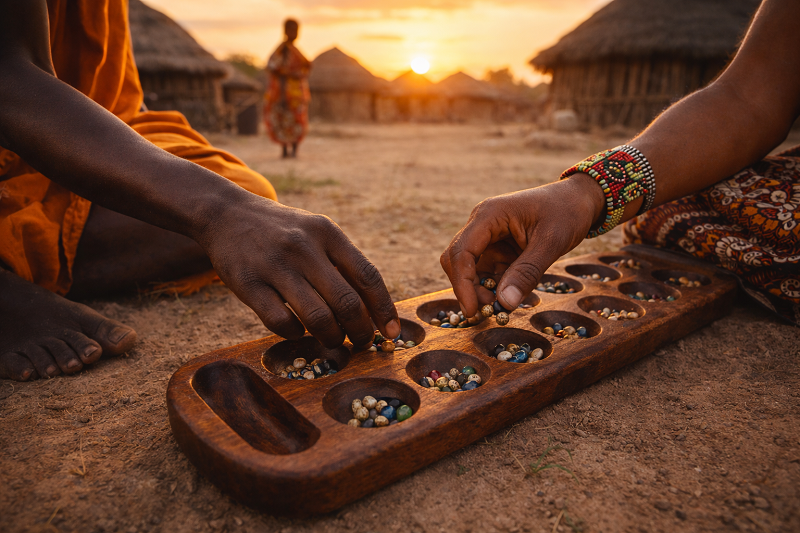
Moruba (also known as Maruba) is a traditional mancala-style board game with strong roots in Pedi (Bapedi) culture, especially in the Limpopo and Mpumalanga regions. It is played on a board with four rows of small holes, often carved into wood or even shaped directly into the ground, using stones or seeds as playing pieces. Players take turns moving these pieces around the board, aiming to capture as many as possible from their opponent. While the setup is simple, the game requires careful counting, planning, and strategy, making it both challenging and engaging to play. Learn how to play Moruba