Beekeeping is Important
I Love Honey
Especially honey from my beehives
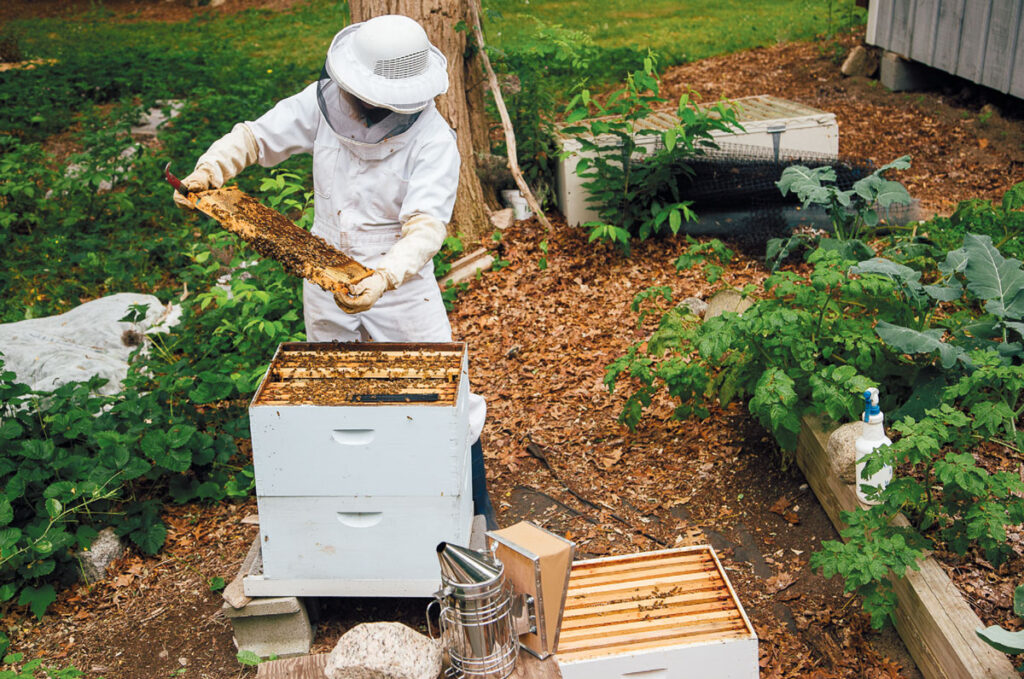
Beekeeping is essential for environmental health and
food security, as bees pollinate roughly one-third of the world's crops
and 90% of flowering plants.
It preserves declining pollinator populations, boosts local
biodiversity, supports agricultural production, and provides products
like honey, beeswax, and royal jelly.
Beekeepers also aid in sustaining ecosystems by enhancing plant
reproduction in both rural and urban areas.
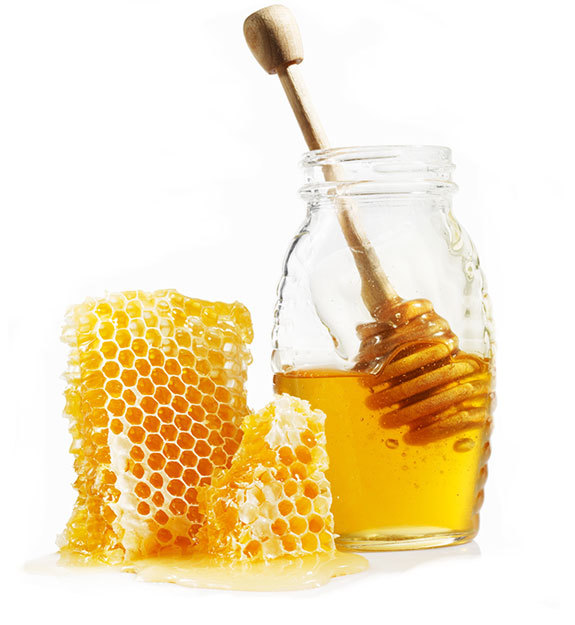
Honey is a sweet and viscous substance made by several species of
bees, the best-known of which are honey bees.
Honey is made and stored to nourish bee colonies. Bees produce honey by
gathering and then refining the sugary secretions of plants (primarily
floral nectar) or the secretions of other insects, like the honeydew of
aphids.
This refinement takes place both within individual bees, through
regurgitation and enzymatic activity, and during storage in the hive,
through water evaporation that concentrates the honey's sugars until it
is thick and viscous.
Learn more on wikipedia
This page was built by Nichcol Harrell