Play is Learning
Young children learn best through play
Across England, children as young as five are moving from play-based
early education into a formal Key Stage 1 system that no longer meets
their developmental needs.
Support the campaign to
make play and continuous provision statutory
in England's Key Stage 1 Curriculum!
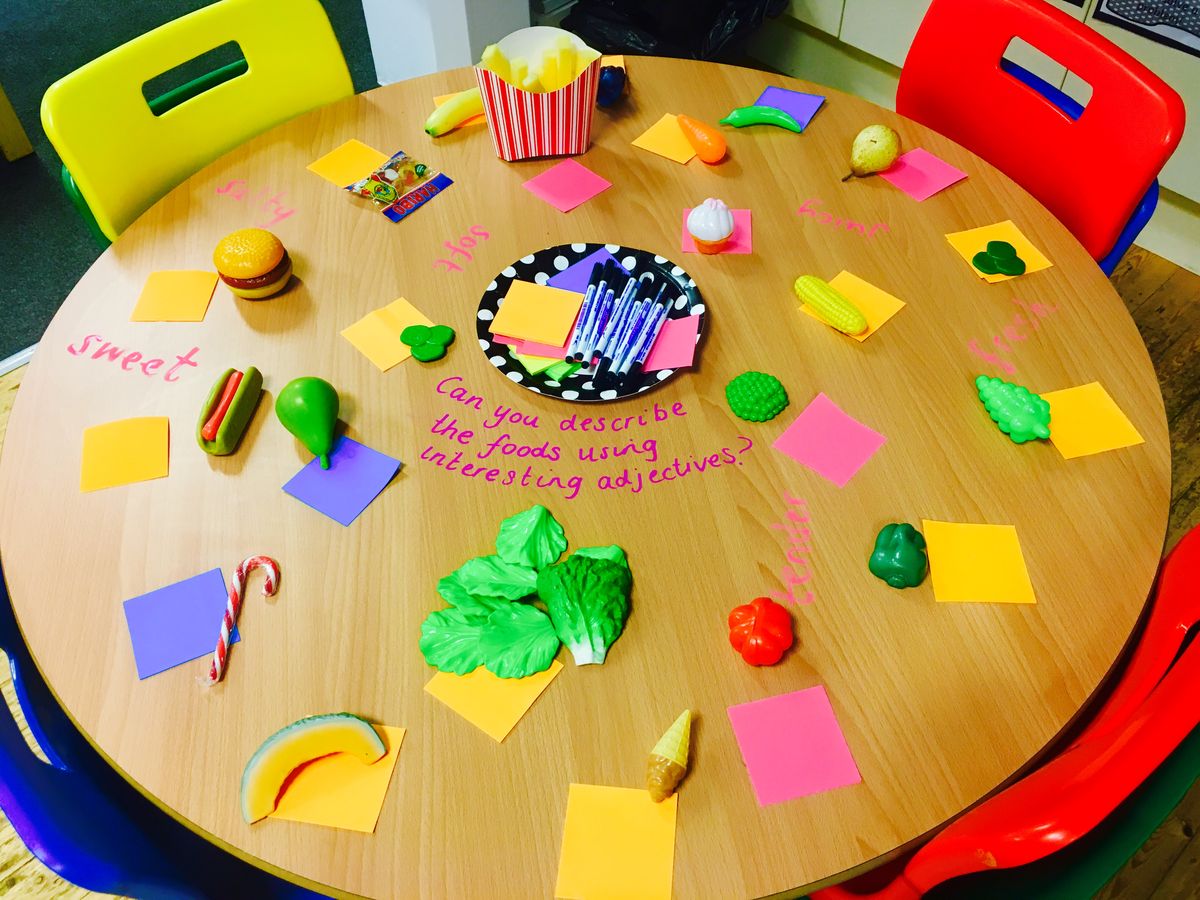
This issue matters for several important reasons:
- UNICEF and UNESCO highlight the importance of play-based learning well beyond the early years, and the UN recognises play as a legal right for children under Article 31 of the Convention on the Rights of the Child.
- England is currently the only UK nation where play-based learning is not protected in early primary education, creating a sharp and unnecessary transition between EYFS (Reception) and Year 1.
- Around 40% of pupils do not meet expected standards by the end of primary school, and research suggests that play-based approaches can help close attainment gaps.
- One in six children aged 7–10 is estimated to have a probable mental health condition, and play-based learning has been shown to support emotional regulation, resilience and wellbeing.
Taken together, this points to a clear need for learning environments in Key Stage 1 that are developmentally appropriate and grounded in evidence.
Find out more
This page was built by Thea Jordan