Matcha
A Drink That's Both Delicious & Nutritious
History
Although matcha has only recently gained global popularity, its origins stretch back thousands of years in East Asia. During China's Tang Dynasty (7th-10th centuries), tea leaves were steamed, compressed into bricks, then ground and mixed with hot water. This practice evolved further in the Song Dynasty (10th-13th centuries) with dian cha, a method of whisking powdered matcha tea to create a froth. Matcha was later introduced to Japan by the monk Eisai, where Zen Buddhist monasteries played a key role in preserving and refining its preparation. Japanese tea master's eventually formalized these practices into the tea ceremony (chanoyu), emphasizing simplicity, discipline, and respect. While matcha declined in China after the Mongol invasion, it continued to flourish in Japan, where cultivation techniques, stone grinding, and ceremonial aesthetics were perfected and passed down through generations.
Health
Matcha is a finely ground green tea powder known for its high concentration of antioxidants, especially catechins, which help protect cells from damage. Regular consumption may support energy levels and focus due to its unique combination of caffeine and L-theanine. Beyond its cultural significance, matcha offers proven health benefits, including enhanced cognitive function, improved cardiometabolic health, and anti-tumorigenic properties. These benefits make matcha not only a traditional beverage but also a functional addition to a balanced, health-conscious lifestyle.
Learn more here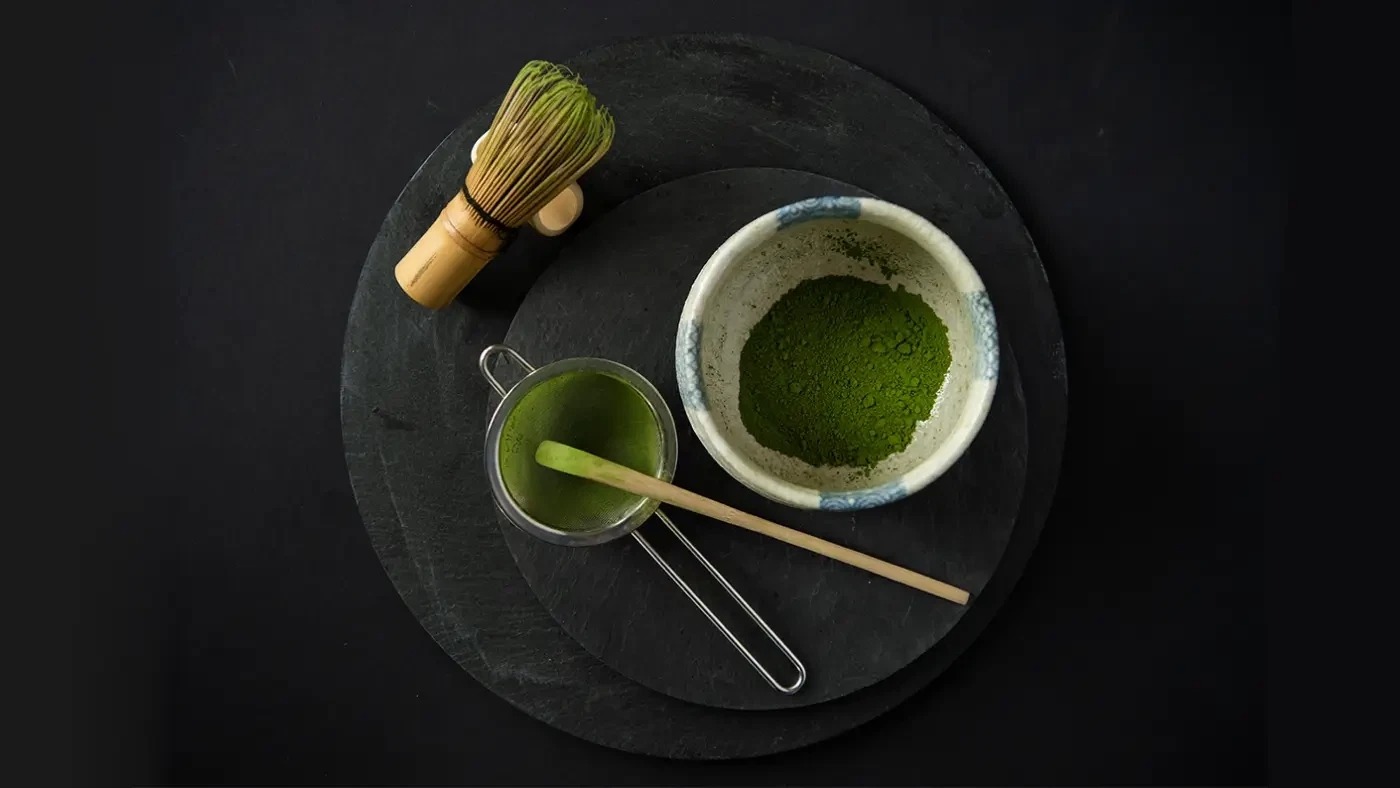
Try adding one of these to your next matcha!
- 🍓 Strawberry puree
- 🥭 Mango nectar
- 🪻 Lavender syrup
coded by Elise