-
Spring
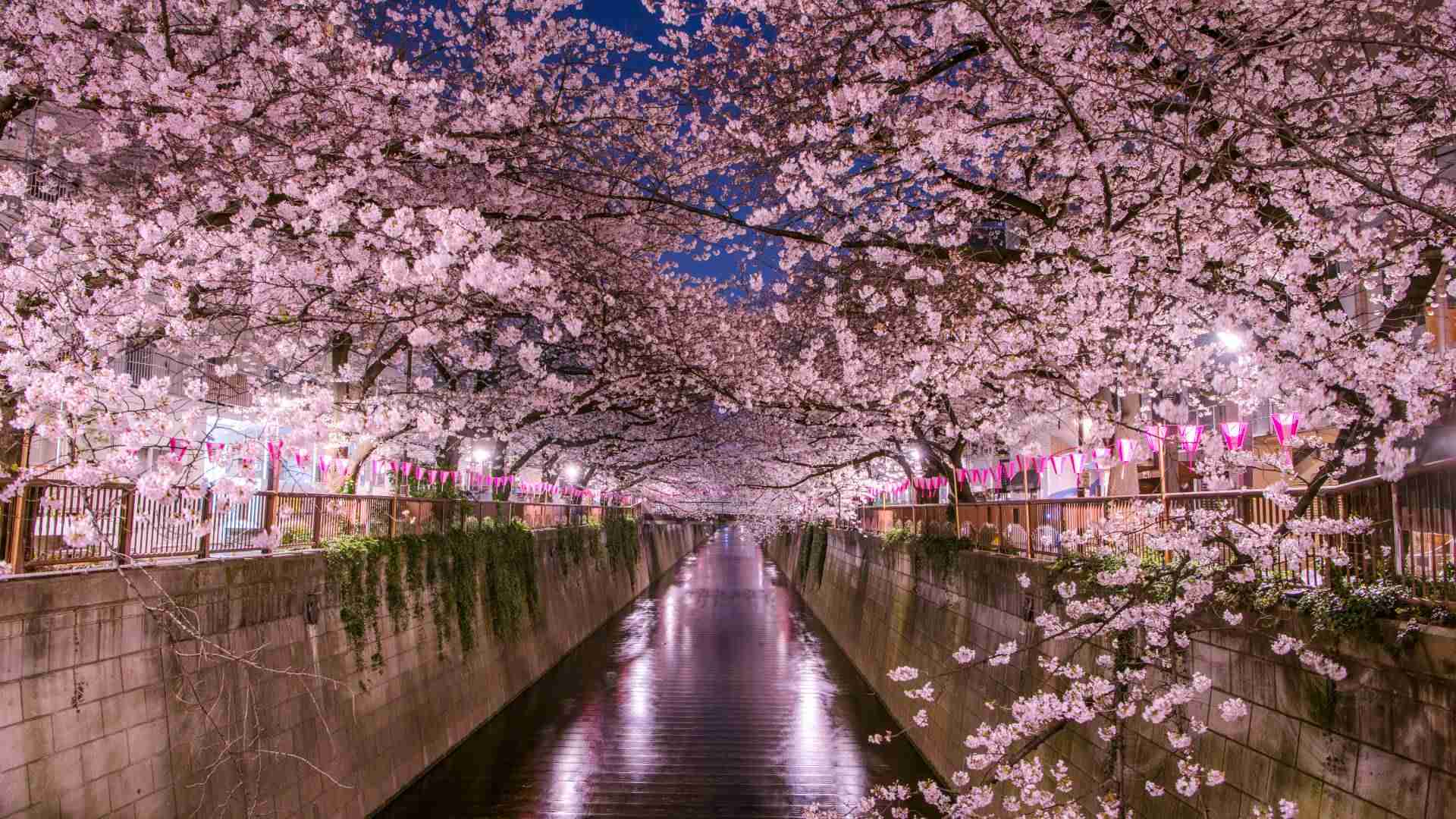
Japan 🌸
🌡️ Temperatures
Spring in Japan is mild and refreshing, with average highs rising from about 15 °C in March to around 23 °C in May, and lows moving from roughly 5 °C up to the upper teens.
🌸 Things to Do
This season is all about cherry blossoms, and visitors flock to parks, riversides, and temple grounds in cities like Tokyo and Kyoto to enjoy hanami picnics. It's also a beautiful time for strolling through traditional districts, visiting temples, and attending flower festivals in areas such as the foothills around Mount Fuji.
🍡 Things to Eat
Spring foods include sakura mochi—soft pink rice cakes wrapped in cherry leaves—and a variety of sakura-flavored sweets and drinks. Seasonal vegetables like bamboo shoots and mountain greens appear in tempura, soups, and other traditional dishes.
✅ Why It's Great
The comfortable temperatures, photogenic blossoms, and joyful seasonal atmosphere make spring one of the most celebrated times to experience Japanese culture.
📖 Read more here
-
Summer
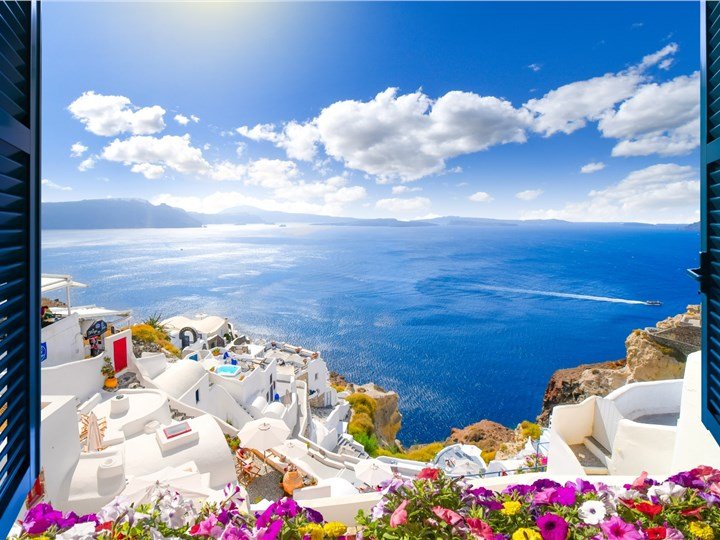
Greece ⛵
🌡️ Temperatures
Greek summers are famously warm, with Mediterranean highs typically reaching the upper 20s to 30s °C across much of the country
🌞 Things to Do
Visitors spend long sunny days on beaches, explore the Greek islands by ferry, wander whitewashed villages, and tour ancient sites either early or late in the day. Sailing trips, beach clubs, and sunset views are central parts of the summer experience.
🍽️ Things to Eat
Cuisine leans light and fresh: grilled seafood, mezze spreads, Greek salads bursting with tomatoes and olives, and cool yogurt-based dishes that pair perfectly with the heat.
✅ Why It's Great
Summer brings warm seas, bright skies, vibrant nightlife, and a lively holiday atmosphere—making Greece synonymous with classic Mediterranean summer bliss.
📖 Read more here
-
Autumn
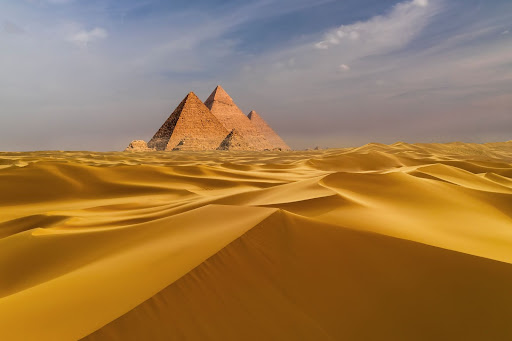
Egypt ☀️
🌡️ Temperatures
Autumn offers much milder weather than summer, with October highs in the upper 20s °C and evening lows in the upper teens, while November remains warm in the mid-20s °C.
🏺 Things to Do
The cooler weather makes sightseeing ideal—whether exploring the Pyramids of Giza, wandering the Valley of the Kings, or touring the temples of Luxor and Aswan.
Nile cruises are especially pleasant, and the Red Sea resorts offer great conditions for snorkeling and diving.🍲 Things to Eat
Seasonal produce such as pomegranates and figs appears in markets, alongside traditional Egyptian dishes like grilled meats, lentil soups, and freshly baked breads—best enjoyed outdoors in the comfortable weather.
✅ Why It's Great
Autumn combines manageable temperatures, clear skies, and fewer crowds, making it one of the best times for cultural exploration and photography.
📖 Read more here
-
Winter
Cancun 🏖️

🌡️ Temperatures
Winter in Cancún is warm and inviting, with daytime temperatures around 27-28 °C, nighttime temperatures around 20-23 °C, and sea temperatures around 26-27 °C, perfect for swimming.
🏝️ Things to Do
Visitors enjoy white-sand beaches, snorkeling, diving, and water sports, as well as day trips to nearby Mayan ruins. The lower humidity and minimal rainfall make it excellent for outdoor adventures and beach relaxation.
🌮 Things to Eat
Winter brings fresh ceviches, grilled seafood, tacos, and tropical fruits—foods that feel especially refreshing in Cancún's warm coastal climate.
✅ Why It's Great
It's an ideal winter escape with sunshine, calm seas, and warm but comfortable temperatures, offering the perfect balance of relaxation and exploration.
📖 Read more here