Cats of Istanbul
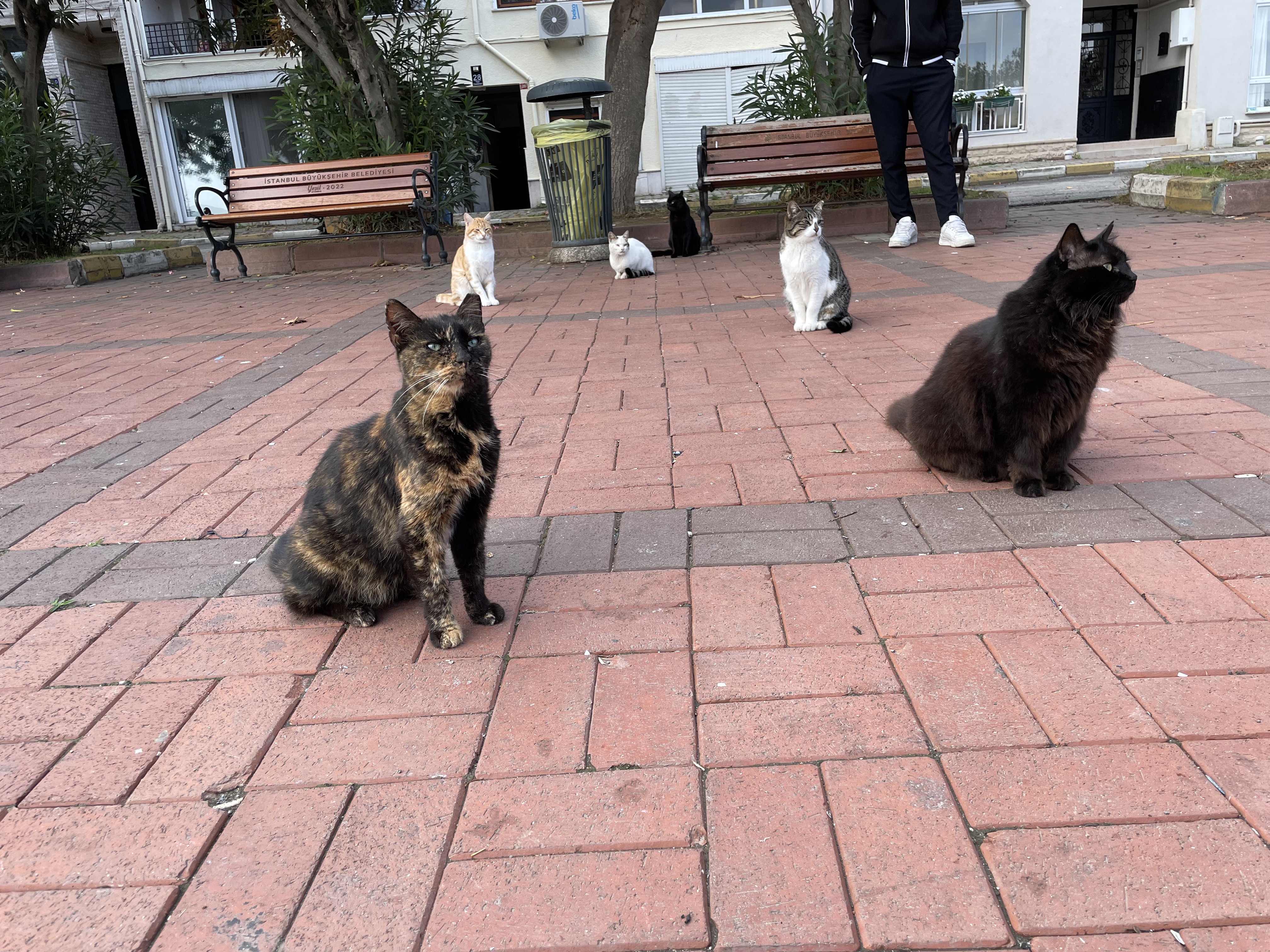
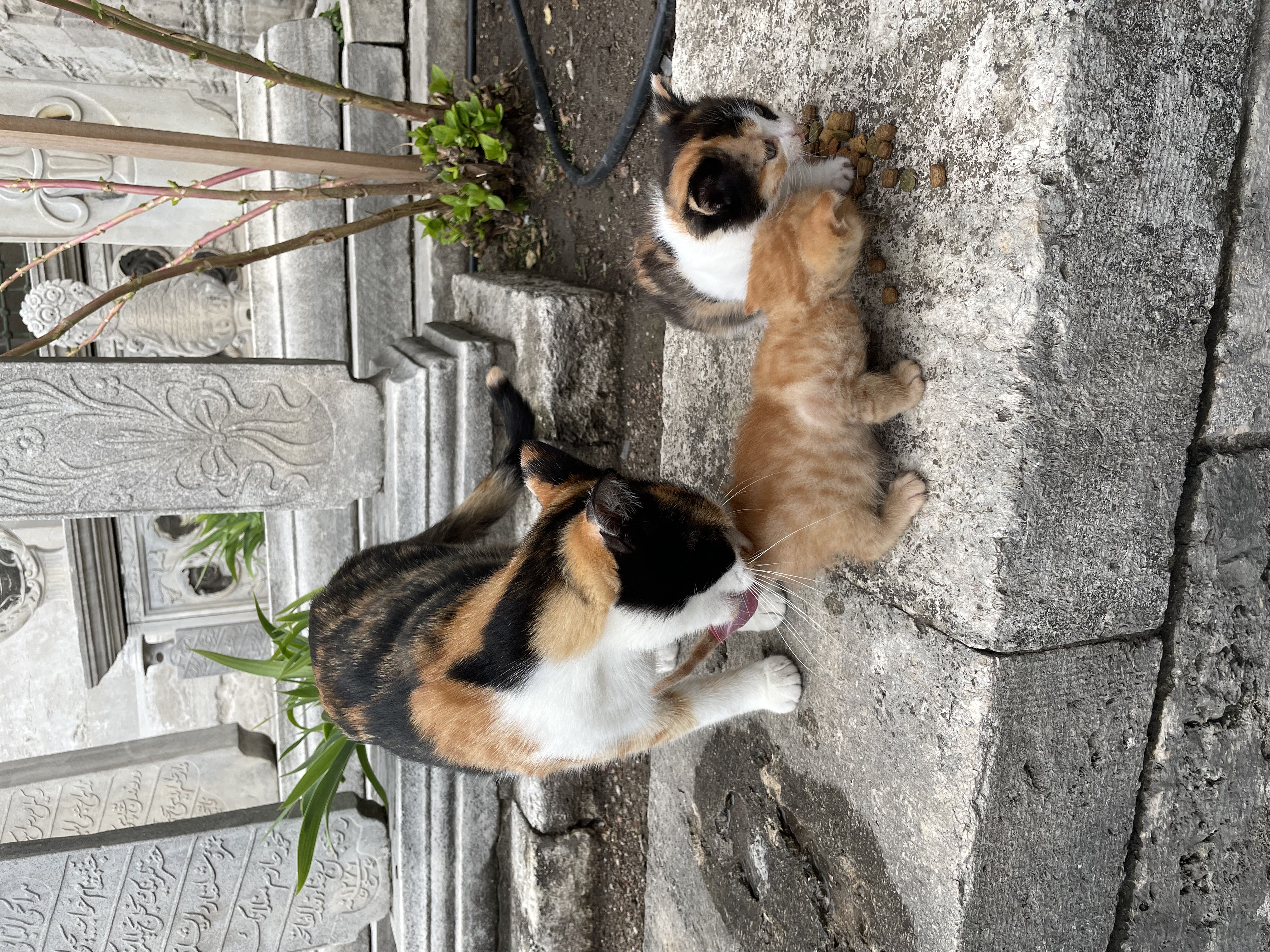
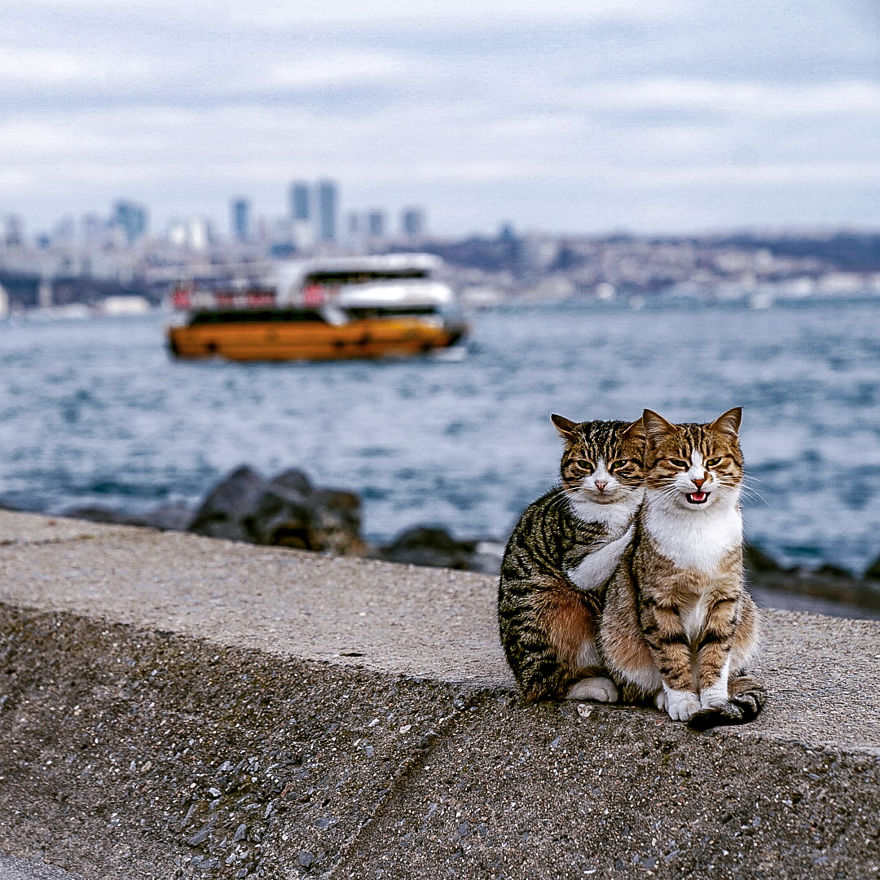
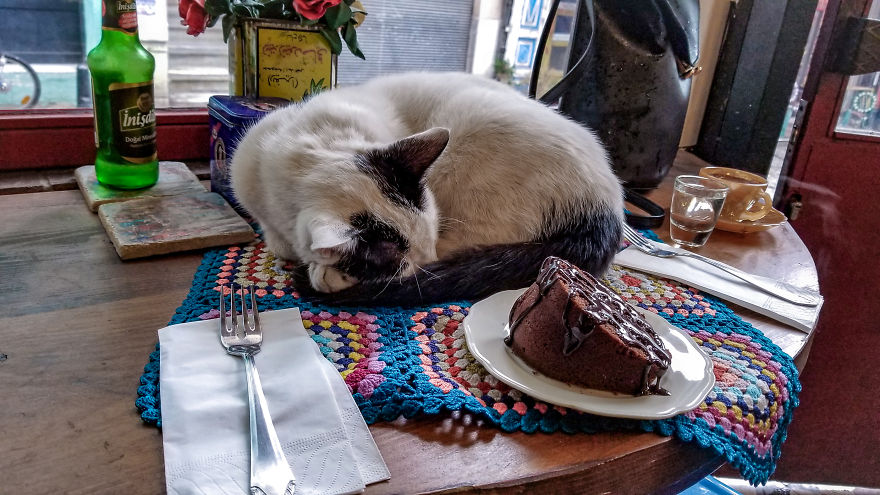
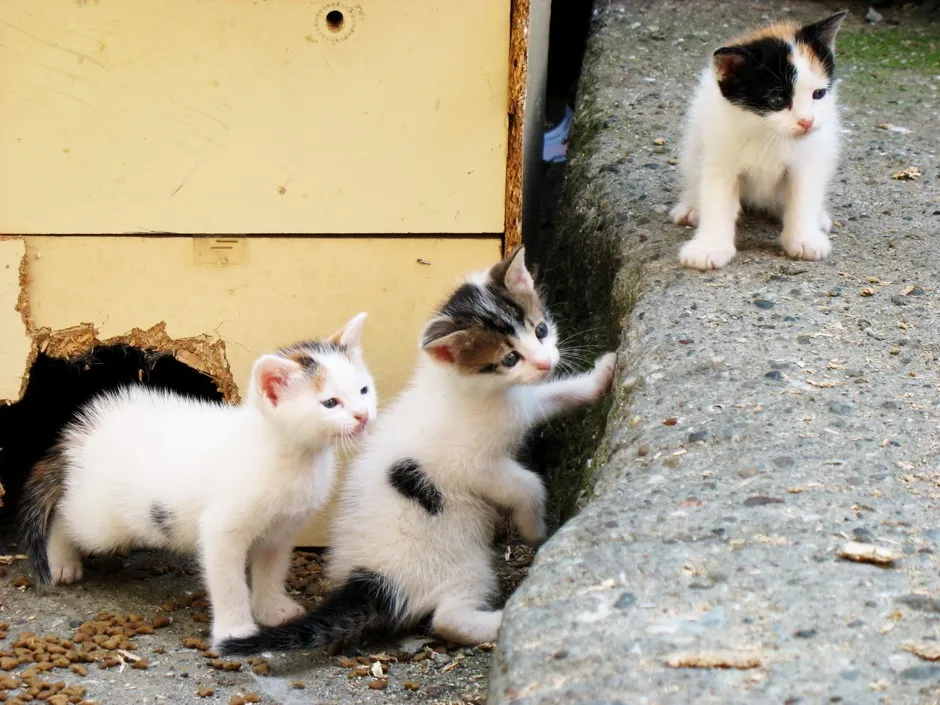
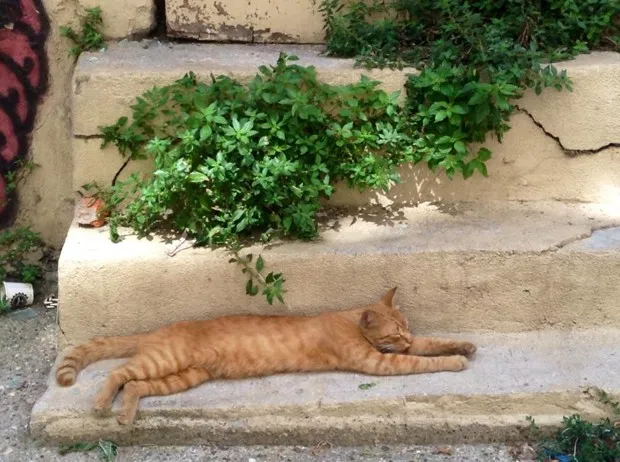
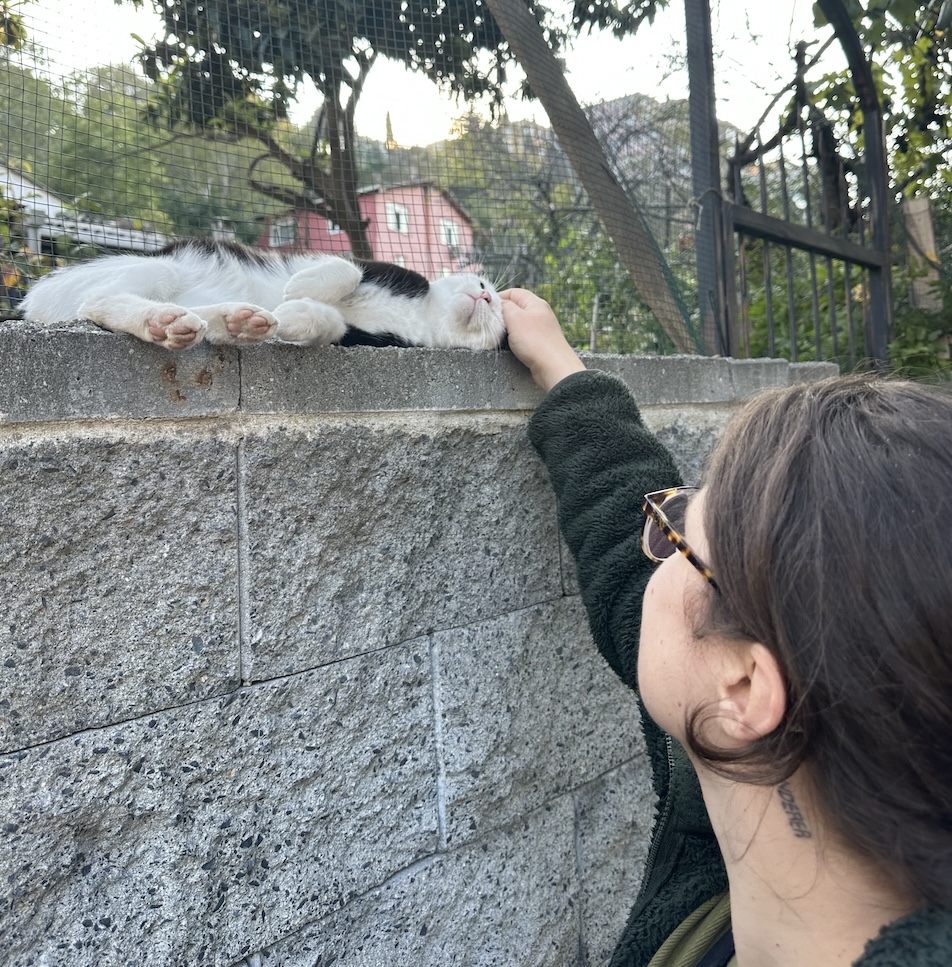
One of my favourite parts of visiting Istanbul - friendly cats 🐈

Istanbul is one of the most famous cities in the world but is also
famous for for it's pletiful four-legged residets:cats.🐈
Istanbul is known as the "city of cats" due to its large, free-roaming
population of well-cared-for cats, which are integrated into the city's
culture. Under the unbreakable spell of its feline population, Istanbul
is perhaps the most cat-friendly city in the world. The famous American
novelist Ernest Hemingway once wrote, "One cat just leads to another."
It seems most Istanbulites have really taken this toheart. Around
150,000 street cats are roaming the streets. Not to mention the house
cats staring gloomily out the windows all day long! Istanbulites grow up
with cats in the house and on the street, sharing the city with them.
The city's cat culture is supported by locals who consider them
"communal pets". While the cats are not adopted formally, they are taken
care of by no one and everyone, a giant community network of cat caring.
Residents provide food, water, and shelter, and many cats are
comfortable in public spaces like shops, cafes, and even public
transport.One might ride the city bus with you. Another might even cross
the Bosphorus on the ferry. No one officially owns these stray cats, but
somehow, they are adopted by everyone.Even the World Basketball
championships boasted a feline mascot, a blue-and-green eyed
“Bascat”
after the long-haired Turkish Van.
With a special place in the city's heart for centuries, Istanbul's cats
are thought to originate from Egypt, where they were first domesticated.
The ancient Egyptians considered cats sacred beings, and in Mesopotamia
(part of present-day Türkiye), they were put to work, protecting the
grain from rodents. According to scientists, cats spread to the rest of
the world from Anatolia about 10,000 years ago. As one of the oldest
residents of Istanbul, cats witnessed the rise and fall of empires, but
they became the true darlings of the city under the rule of the Ottoman
Empire. While in Topkapı Palace, sultans kept big, exotic cats, such as
leopards, cheetahs, and tigers (a house cat is technically about 95%
tiger in its genetic makeup), local charitable foundations made sure
that stray animals were adequately taken care of. And Istanbul's love of
cats was embodied by an actual profession named mancacı, which literally
means catsitter.