The Appeal of Pottery
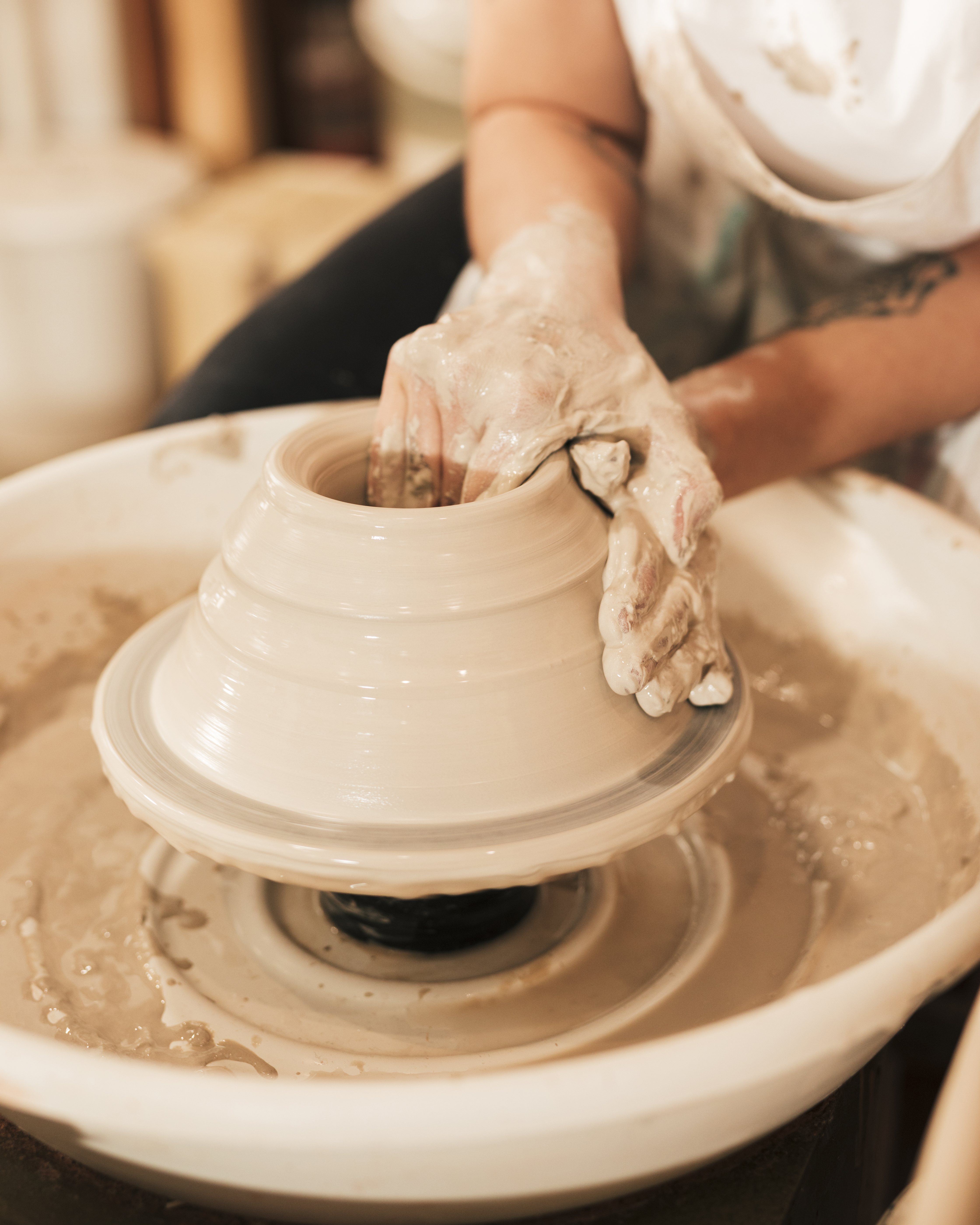
One of pottery's greatest attractions is its tactile nature. Working with clay engages your hands and mind in a way that few other hobbies can match. The process of centering clay on a pottery wheel or hand-building a piece requires focus and presence, making it an excellent form of meditation and stress relief. Many potters describe entering a "flow state" where everyday worries fade away as they concentrate on shaping their work.
Pottery also provides tangible results. Unlike many hobbies that exist primarily in digital or ephemeral forms, pottery creates lasting objects you can use daily—mugs for your morning coffee, bowls for family meals, or vases to display fresh flowers. There's deep satisfaction in eating from a plate you made yourself or gifting a handcrafted piece to someone special.
Getting Started
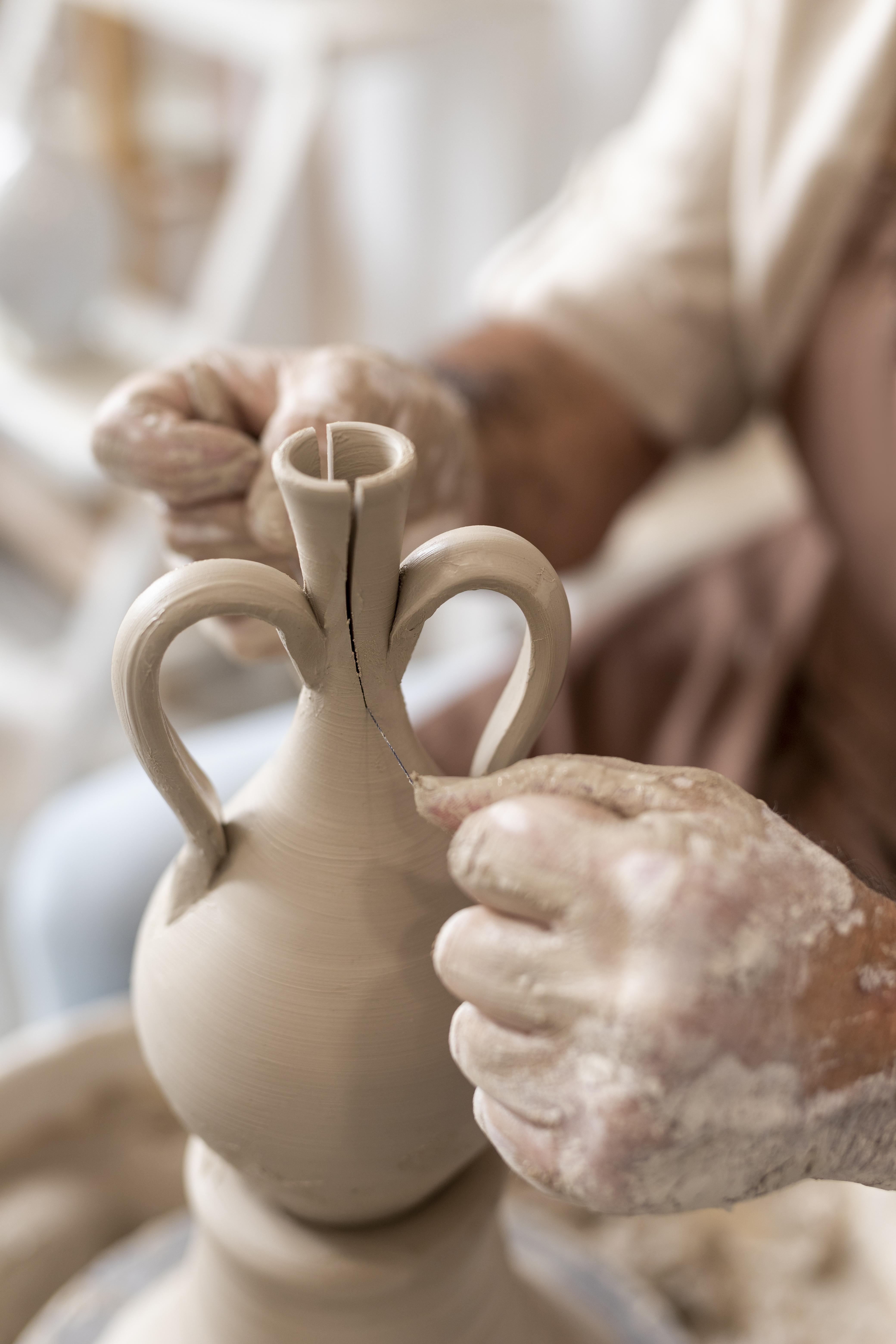
Beginning pottery is more accessible than many people think. Most cities have pottery studios offering classes for beginners, where you can learn basic techniques without investing in expensive equipment. These classes typically cover essential skills like hand-building methods (pinch pots, coil building, and slab construction) or wheel throwing, along with glazing and firing processes.
If you discover a passion for pottery, you can gradually build a home studio, though this requires significant space and investment in a kiln, pottery wheel, and other tools. Many hobbyists continue working at community studios where equipment, expertise, and camaraderie are readily available.
The Creative Journey
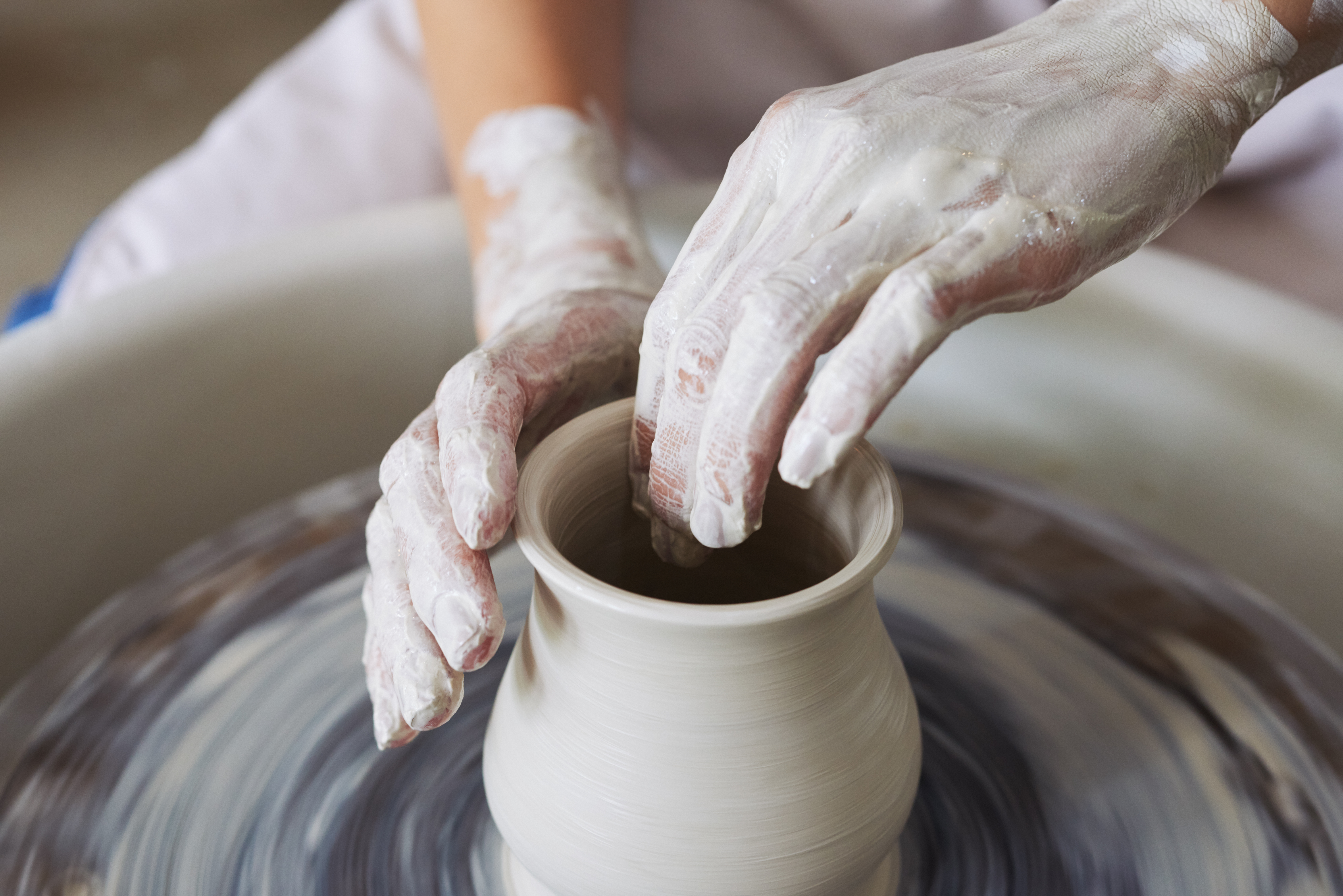
Pottery encompasses endless possibilities for creative expression. You can pursue functional ware, focusing on perfecting forms and creating pieces that enhance daily life. Alternatively, you might explore sculptural pottery, pushing the boundaries of what clay can become. The interplay between form and surface decoration—through carving, stamping, glazing, or painting—offers infinite combinations to explore.
As you develop your skills, pottery becomes increasingly rewarding. What begins as wobbly bowls gradually transforms into refined work that reflects your growing mastery and personal aesthetic. The journey from beginner to accomplished potter is one of continuous learning, experimentation, and discovery.