Turtles are so cool!
Sea turtles live over 50 years
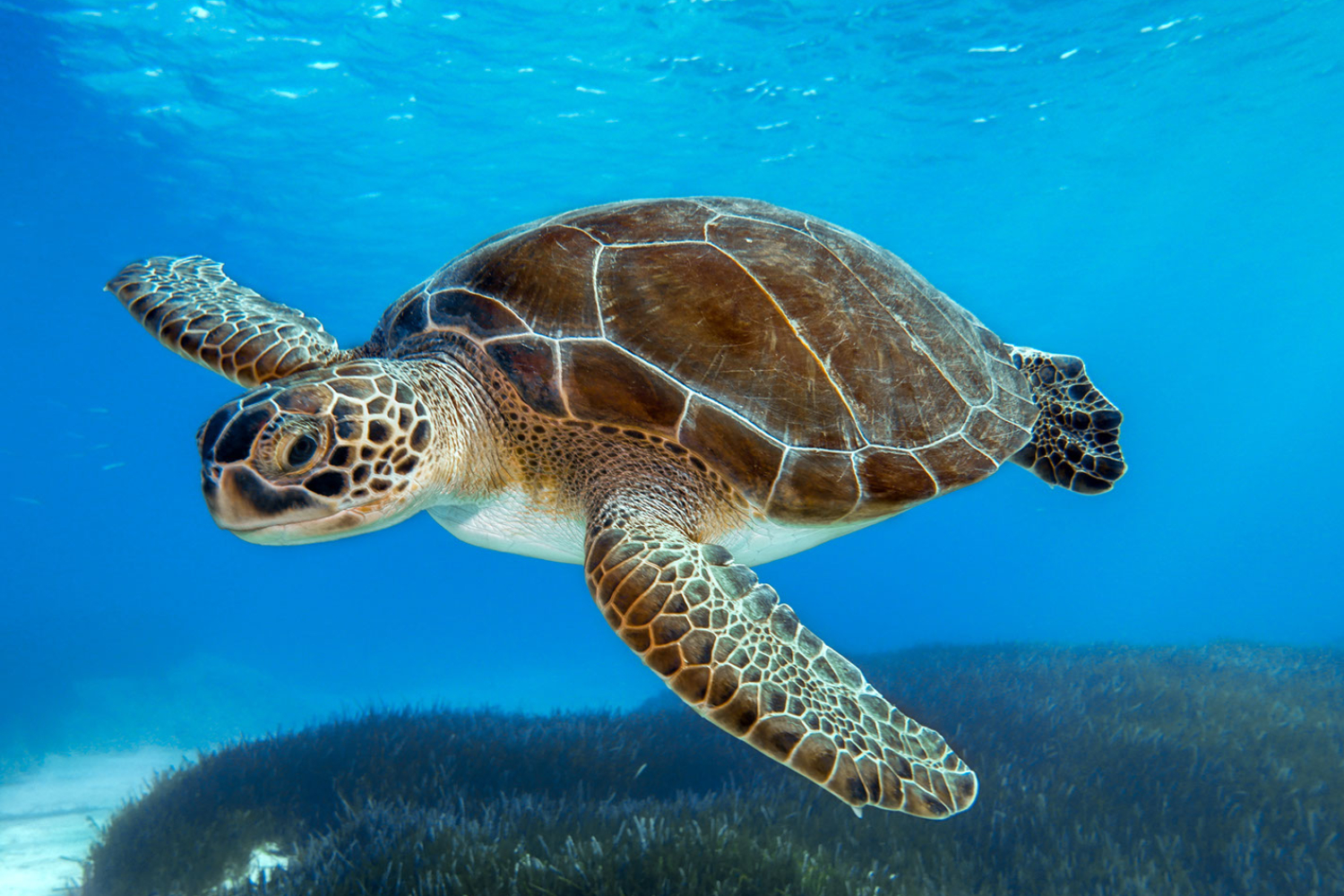
By grazing on seagrass beds and sea sponges within coral reefs, sea
turtles prevent overgrowth, which in turn improves current flows and
nitrogen production while promoting healthy cultivation of flora and
fauna. Some sea turtles also prey upon jellyfish and crustaceans,
keeping their population numbers under control. They also provide
sustenance for other fish since barnacles, algae, and small organisms
can cling to their shells, supporting a robust food web. These positive
feedback loops and the recycling of nutrients are vital for marine
habitats, and due to their migratory lifestyles, sea turtles can
transport nitrogen, phosphorus, and potassium from the oceans to the
beaches they nest upon.