Welcome to the Shark Project 🦈
Dive deep into the world of sharks!
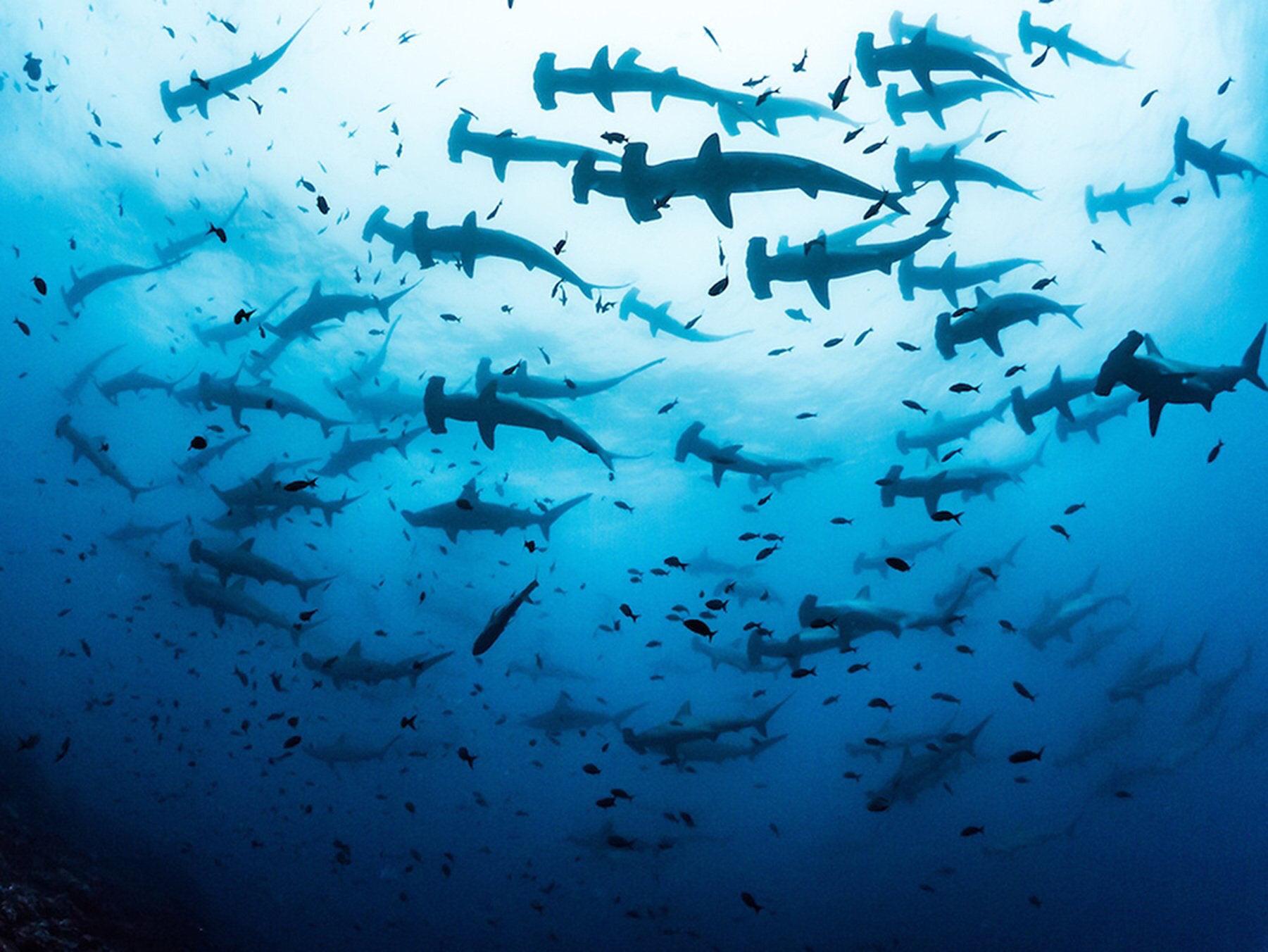
Sharks are fascinating and powerful creatures that have lived in our
oceans for more than 400 million years — long before dinosaurs walked
the Earth. There are over 500 known species of sharks, ranging from the
small dwarf lantern shark, which is only about 8 inches long, to the
massive whale shark, which can grow up to 40 feet in length.
Sharks play an important role in keeping ocean ecosystems healthy. As
apex predators, they help control the populations of other fish and
marine animals, maintaining a natural balance in the food chain.
Despite their fearsome reputation, most sharks are not dangerous to
humans. In fact, humans pose a far greater threat to sharks due to
overfishing, habitat loss, and the shark fin trade. Millions of sharks
are killed each year, which has a serious impact on marine biodiversity.
Sharks have incredible senses. They can detect tiny electrical signals
given off by other animals, allowing them to locate prey even in
complete darkness. Their skin is covered in tiny, tooth-like scales
called dermal denticles, which help them glide smoothly and quietly
through the water.
Conservation efforts around the world aim to protect shark populations
and educate people about their importance. By learning more about
sharks, we can help ensure these ancient animals continue to thrive in
our oceans for generations to come.
Sharks need our help! Every action counts — even small changes make a big difference. Learn more at WWF’s Shark Conservation Page .