Latin ballroom dancing💃
My favourite hobby
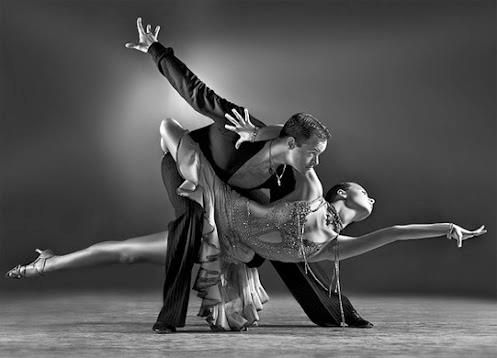
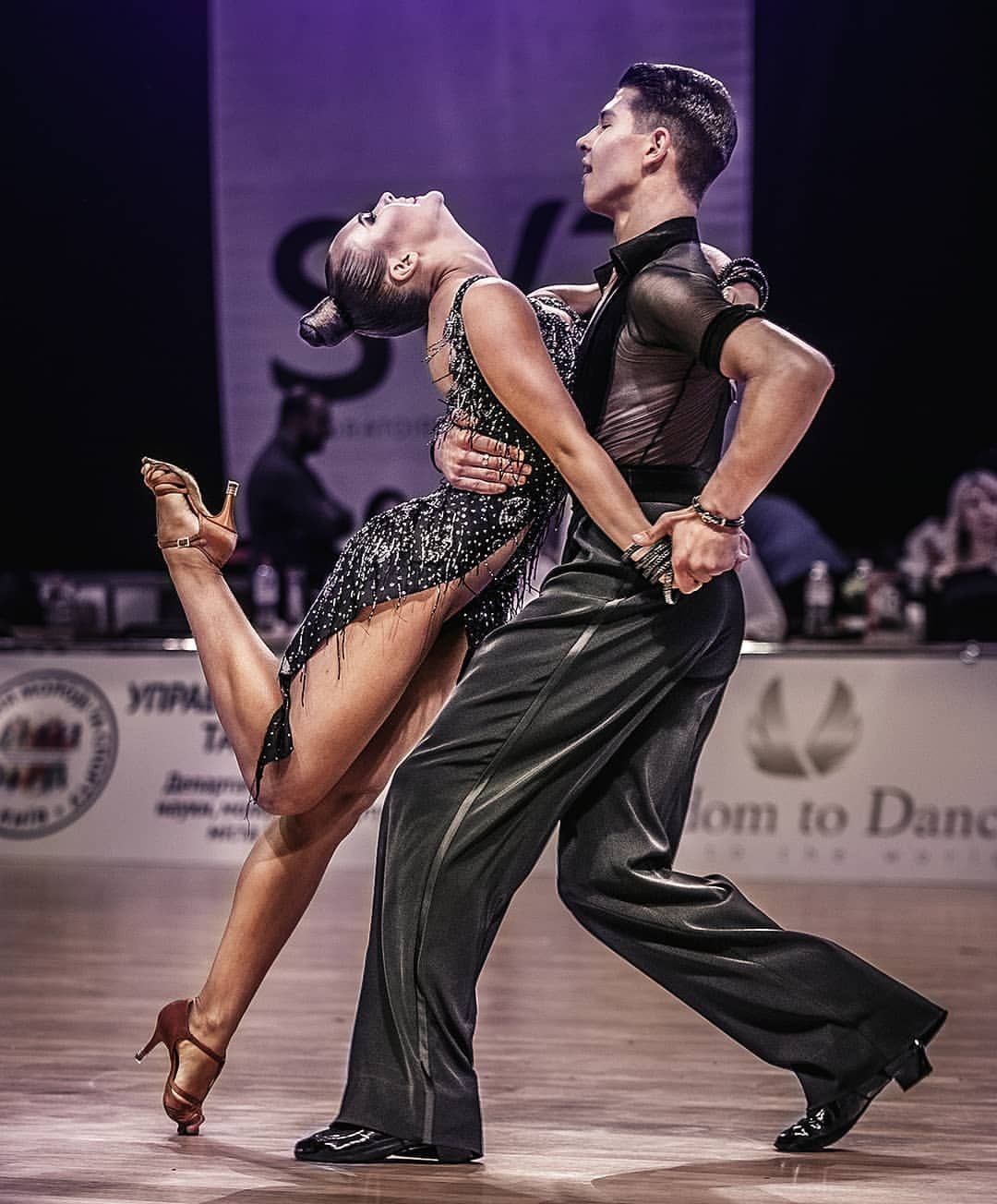
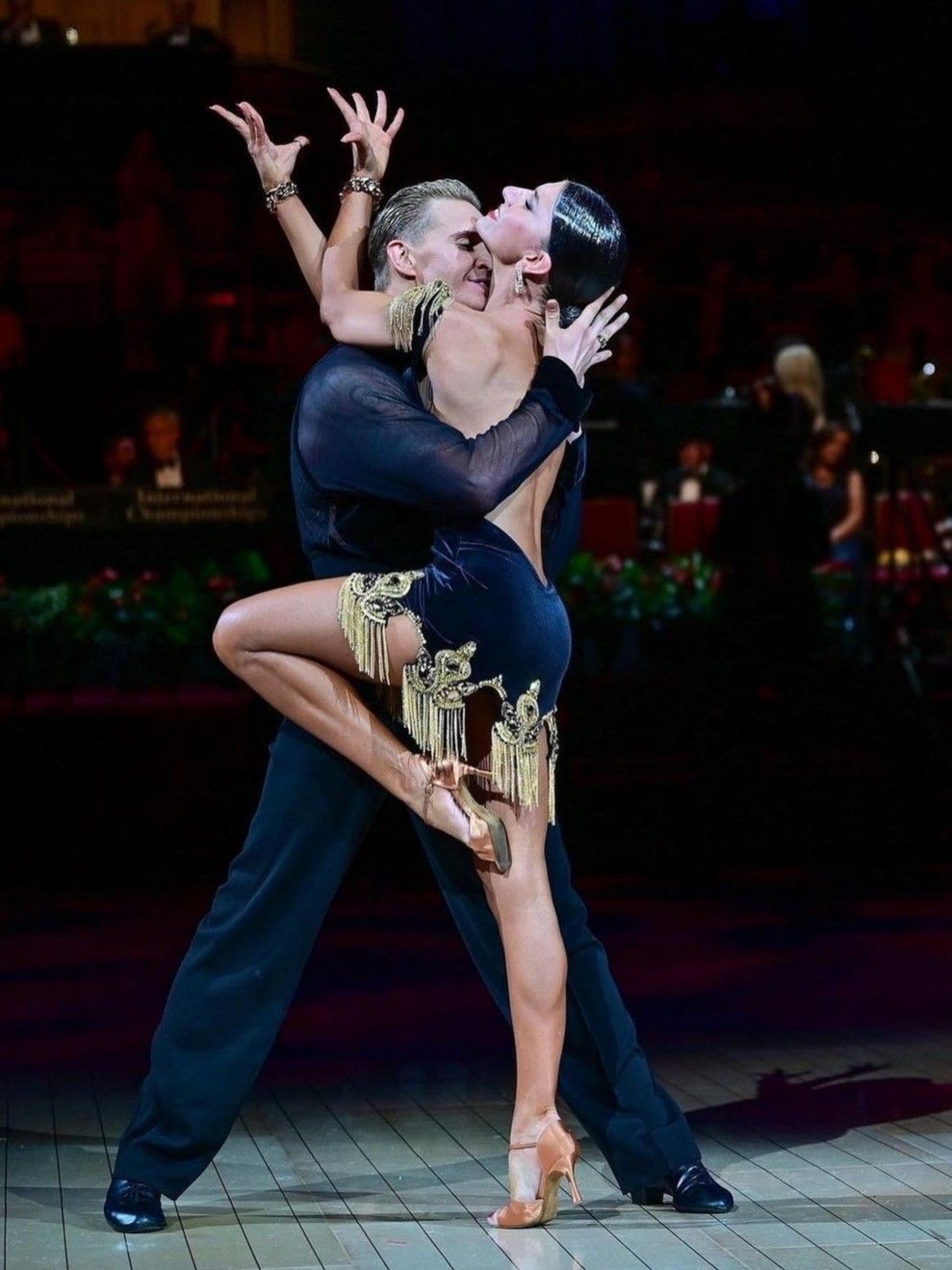


Latin dance is a general label, and a term in partner dance competition jargon. It refers to types of ballroom dance and folk dance that mainly originated in Latin America, though a few styles originated elsewhere. The category of Latin dances in the international dancesport competitions consists of the Cha-cha-cha, Rumba, Samba, Paso Doble, and Jive🕺🌹🎺.Latin dance draws from indigenous American, Iberian, and West African influences. The earliest native roots for Latin dance came from the Aztecs, Guarani, Aymara, Incas and Tehuelches among others. When sixteenth-century seagoing explorers returned home to Portugal and Spain, they brought along tales of the native peoples. According to Rachel Hanson, no one knows how long these dance traditions were established, but they were already being developed and ritualized when they were observed by the Europeans. This suggests that these Native influences became the foundation for Latin dancing.Indigenous dance often told stories of everyday activities such as hunting, agriculture, or astronomy. When European settlers and conquistadors began to colonize South America in the early sixteenth century, they reinvented the local dance traditions, but still kept the styles of the natives. Catholic settlers merged the native culture with their own and incorporated catholic saints and stories to the dance. The Europeans were captivated by the highly structured, large member dance working together in a precise manner💃🎶🔥.
🔎Click here to learn more on wikipedia