🫙 Canning 🫙
Food Preservation for Beginners
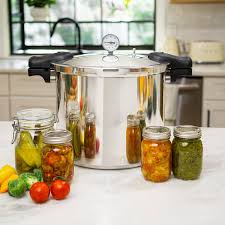
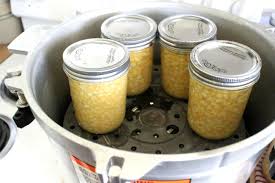
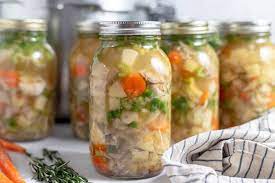
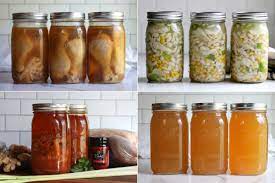
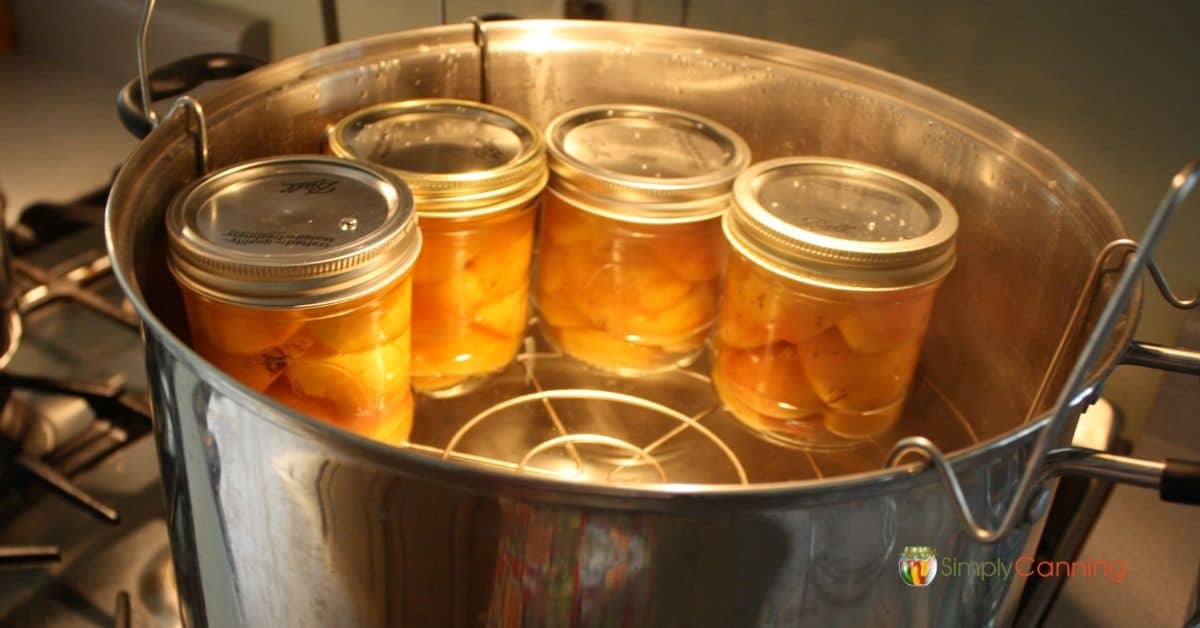
Home canning or bottling, also known colloquially as putting up or processing, is the process of
preserving
foods, in
particular, fruits, vegetables, and meats, by packing them into glass jars and then heating the jars to
create a
vacuum
seal and kill the organisms that would create spoilage.
Though ceramic and glass containers had been used for storage for thousands of years, the technique of
canning,
which
involves applying heat for preservation, was only invented in the first decade of the 1800s. Before
that,
food
storage
containers were used for non-perishable foods, or with preservatives such as salt, sugar, vinegar, or
alcohol.
The two methods of home canning are water bath canning and pressure canning. Both involve placing the
food
inside
special glass canning jars and then heating the contents. Home canning glass jars are annealed during
manufacture to
increase their ability to withstand temperature changes and mechanical shocks. There are several
regional
variations
on jar design, such as Mason jars (North America), Fowler's Vacola jars (Australia), Kilner jars
(England),
and
Weck
jars (Germany).
Click here to watch a video on canning.
Water bath canning
Water bath canning is appropriate for high-acid foods only, such as jam, jelly, most fruit, pickles, and
tomato
products
with acid added. It is not appropriate for meats and low-acid foods such as vegetables.[2] This method
uses
a
pot large
enough to hold and submerge the glass canning jars. Food is placed in glass canning jars and placed in
the
pot.
Hot
water is added to cover the jars. Water is brought to a boil (212 °F (100 °C)) and held there for at
least
10
minutes.
Different foods require a different length of time under boil; larger jars require longer times.
Pressure canning
Pressure canning is the only safe home canning method for meats and low-acid foods. This method uses a
pressure
canner —
similar to, but heavier than, a pressure cooker. A small amount of water is placed in the pressure
canner
and it
is
turned to steam, which without pressure would be 212 °F (100 °C), but under pressure is raised to 240 °F
(116
°C). Based
on the recipe, the canner is heated until the correct pressure is reached, and the jars left for the
appropriate
amount
of time (charts have been published with times and pressures). The heat is turned off, pressure reduced,
canner
opened,
and hot jars carefully lifted out and placed on an insulated surface (towels, wood cutting board, etc.)
and
out
of
drafts to cool.