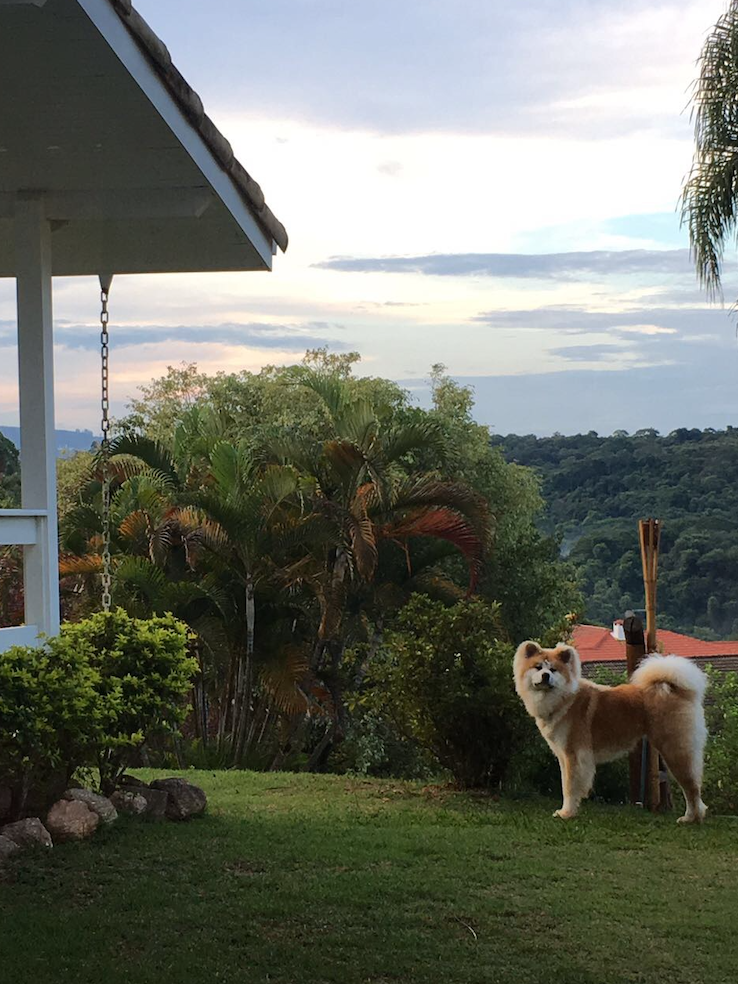
Understanding Long-Coat Akitas ("Woolies")
In honor of Sakura and all the beautiful long-coat Akitas who are
often misunderstood.
What Makes Them Special
Long-coat Akitas, affectionately called "woolies," possess a
recessive gene that produces longer, fluffier fur. While they may
look different from standard Akitas, they share the same
temperament, loyalty, and health characteristics.
Common Misconceptions
Due to their fluffy appearance, long-coat Akitas are often mistaken
for mixed breeds or other spitz varieties. However, they are
purebred Akitas with the same noble heritage and characteristics as
their standard-coated relatives.
Show Standards vs. Reality
While long-coat Akitas may not meet traditional show standards in
some countries, they make equally wonderful family companions and
deserve recognition for their beauty and wonderful temperament.
About the Akita Inu
This page is dedicated to my beloved Sakura, a beautiful long-coat
Akita Inu who embodies all the wonderful qualities of this
magnificent breed.
The Akita Inu is a large spitz dog breed originating from the
mountainous regions of northern Japan. This majestic breed is renowned
for its unwavering loyalty, courage, and dignified bearing. The Akita
has become a symbol of good health, happiness, and long life in
Japanese culture.
The breed gained worldwide recognition through the famous story of
Hachiko, an Akita who waited for his deceased owner at the train
station for nearly 10 years, epitomizing the breed's legendary loyalty
and devotion.
The Special Long-Coat Akita (Woolies)
Sakura represents a special variety within the Akita breed - the
long-coat Akita, affectionately known as "woolies." These beautiful
dogs have a longer, fluffier coat due to a recessive gene. While not
accepted in show rings in many countries, long-coat Akitas are equally
healthy, loyal, and loving companions. They're often mistaken for
other breeds due to their distinctive fluffy appearance, but they
possess all the wonderful temperament traits of their standard-coated
relatives.
History and Origins
Akitas were originally developed in the 17th century in the Akita
region of Japan to hunt wild boar, bears, and other large game. They
were considered symbols of good fortune and were exclusively owned by
the Japanese imperial family and aristocracy. During feudal Japan,
only the nobility were permitted to own these noble dogs.
Essential Care Guidelines
Nutrition
Requires high-quality, balanced diet appropriate for their size and
activity level. Monitor portions carefully as they can be prone to
weight gain.
Grooming
Regular brushing 2-3 times weekly, with daily brushing during
seasonal shedding periods. Professional grooming recommended
quarterly.
Socialization
Early and extensive socialization is crucial due to their naturally
reserved nature with strangers and potential dog aggression.
Training
Responds best to positive, consistent training methods. Can be
independent-minded, requiring patience and experienced handling.
Health Considerations
Generally healthy breed but can be prone to hip dysplasia,
progressive retinal atrophy, and autoimmune conditions. Regular
veterinary checkups essential.
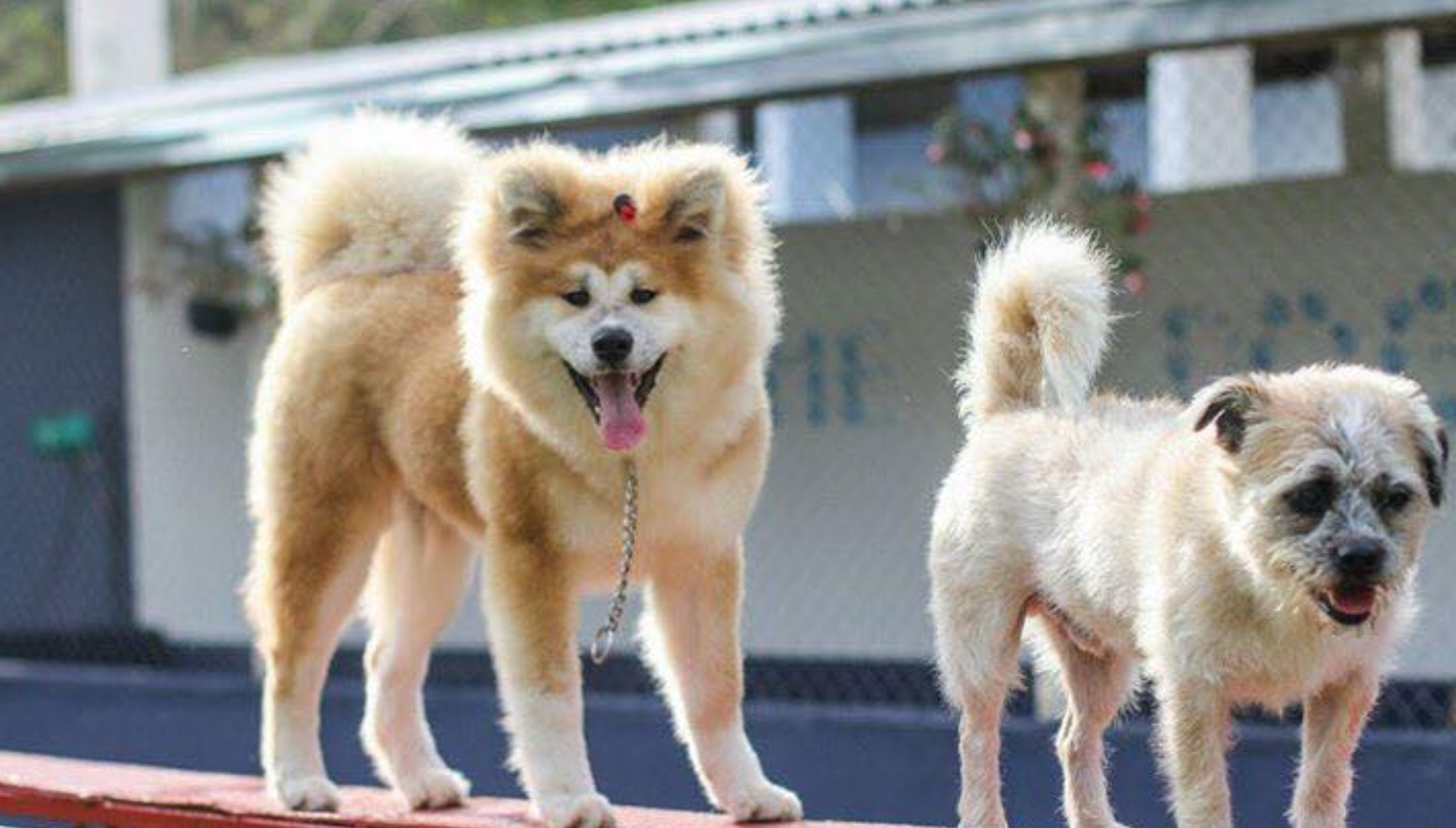
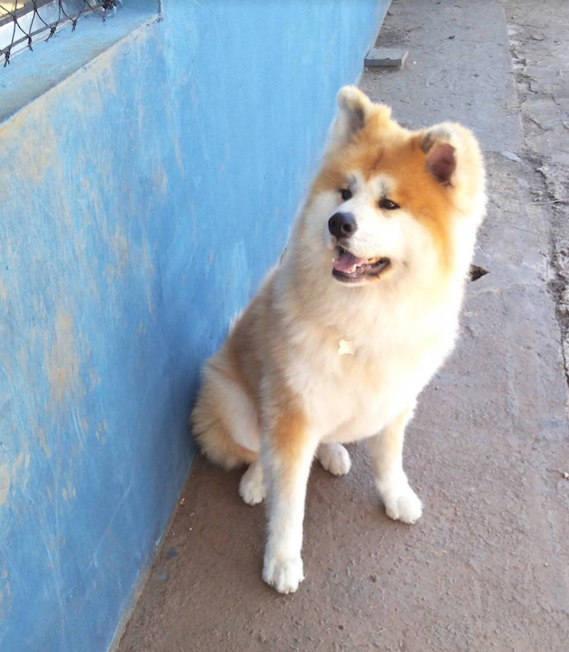
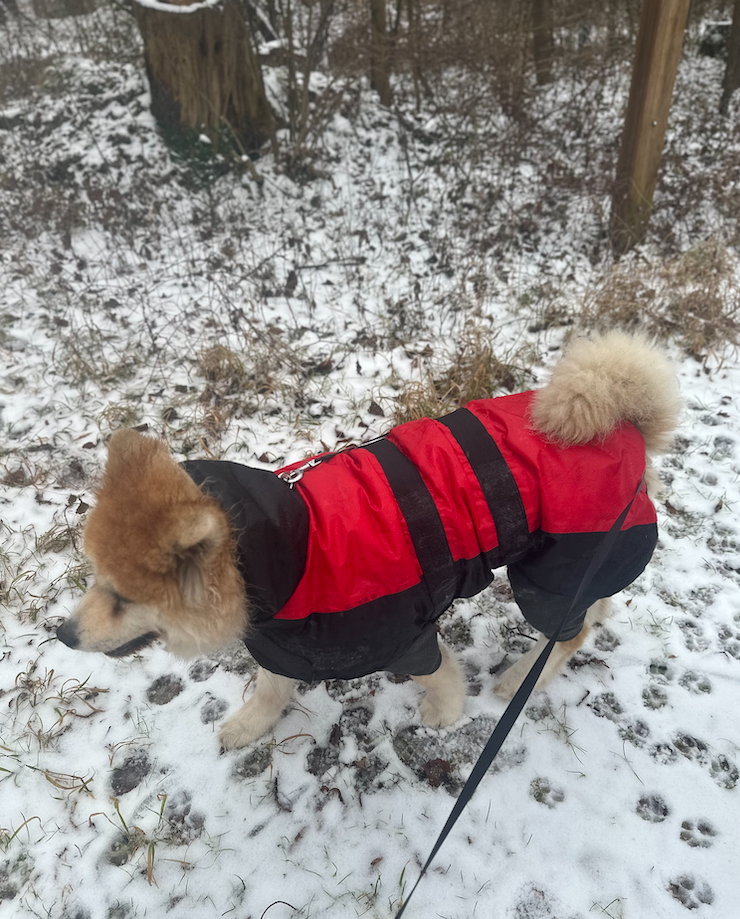
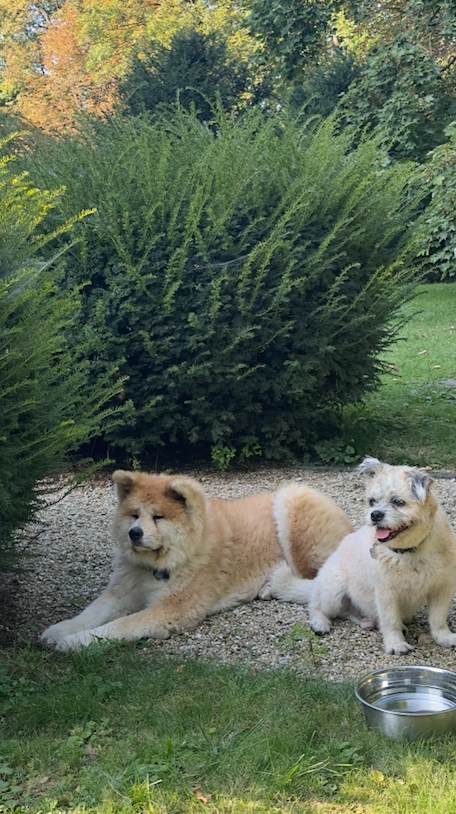
Sakura's Photo Gallery
Beautiful moments with my beloved long-coat Akita Inu