Achaemenid Empire
The First Great Empire of the Ancient World

The Achaemenid Empire, founded by Cyrus the Great in the 6th century BCE, was one of the most powerful and influential empires in ancient history. At its height, it stretched from the Indus Valley in the east to the Balkans and Egypt in the west, uniting a vast and diverse range of peoples and cultures under one rule. The empire was renowned for its strong and well-organized army, including elite units such as the "Immortals," which enabled the Persians to conquer and manage vast territories.
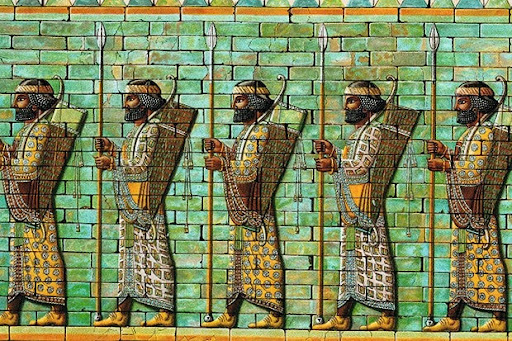
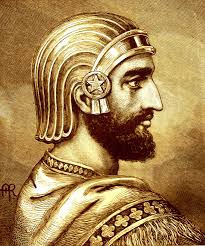
Cyrus the Great is especially remembered for his just leadership and respect for human rights, most notably represented in the Cyrus Cylinder often regarded as the world’s first declaration of human rights. The Achaemenid system of governance was advanced and tolerant, allowing local traditions and religions to flourish. Women, particularly those of noble status, held significant social roles, owned property, managed estates, and were active participants in the economy and court life.
The Achaemenids also introduced remarkable innovations in administration and engineering. They established one of the world’s earliest organized postal systems and constructed the famous “Royal Road,” enabling fast and secure communication across the empire. Their achievements included a structured taxation system, standardized coinage, and highly developed architectural planning most famously seen in the grand complex of Persepolis.
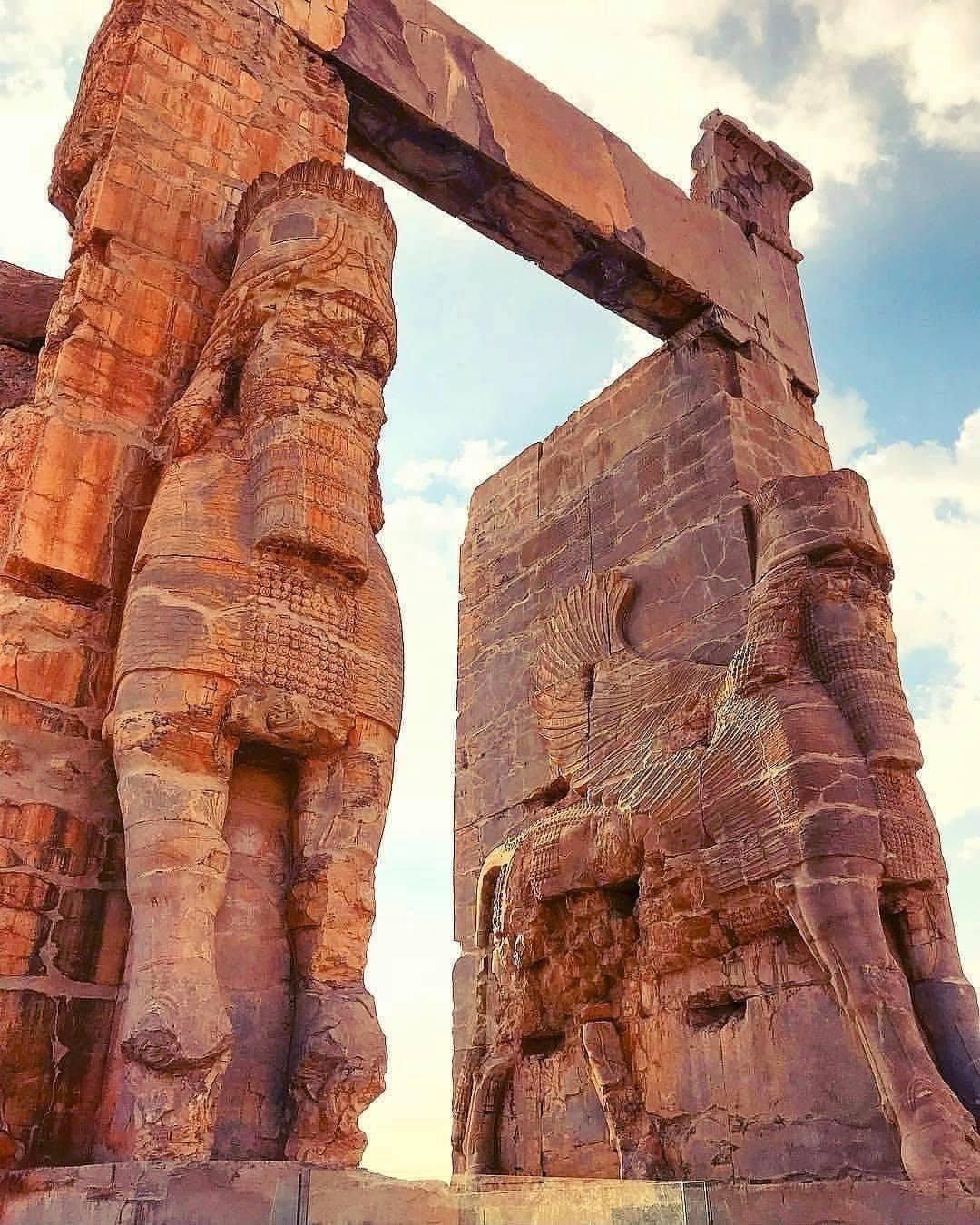
One of the lesser-known but impressive aspects of this architecture was the advanced water management system of Persepolis. Achaemenid engineers skillfully designed a network of canals, underground aqueducts, and stone reservoirs to bring water from nearby springs to various parts of the complex. This sophisticated and intelligent engineering reflected the Achaemenids’ deep understanding of nature and resource management. The Achaemenid Empire stood as a shining example of military strength, intelligent governance, cultural tolerance, and technological innovation, leaving a lasting legacy in the history of civilization.
learn more about Achaemenid Empire