Dance 💃
Storytelling and Expression of Emotions

Dance is an art form, consisting of sequences of body movements with
aesthetic and often symbolic value, improvised or purposefully selected.
Dance can be categorized and described by its choreography, by its
repertoire of movements or by its historical period or place of origin.
Dance is typically performed with musical accompaniment, and sometimes
with the dancer simultaneously using a musical instrument themselves.
Two common types of group dance are:
- theatrical dance
- participatory dance
Both types of dance may have special functions, whether social,
ceremonial, competitive, erotic, martial, sacred or liturgical.
Dance is not solely restricted to performance, as dance is used as
a form of exercise and occasionally training for other sports and
activities.
Dance performances and dancing competitions are found across the world
exhibiting various different styles and standards.
Dance may also be participated alone as a form of
exercise or self expression.
Theatrical and participatory
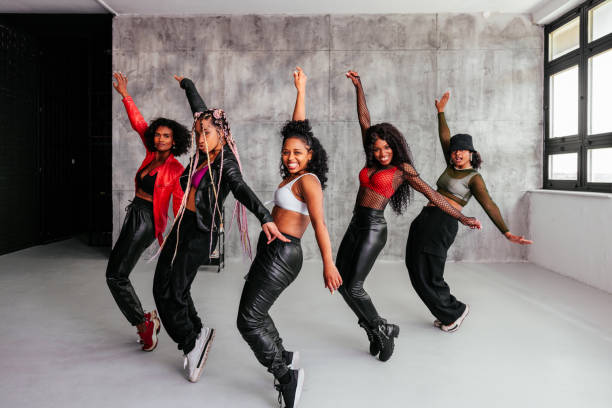
dance Members of an American jazz dance company perform a formal group
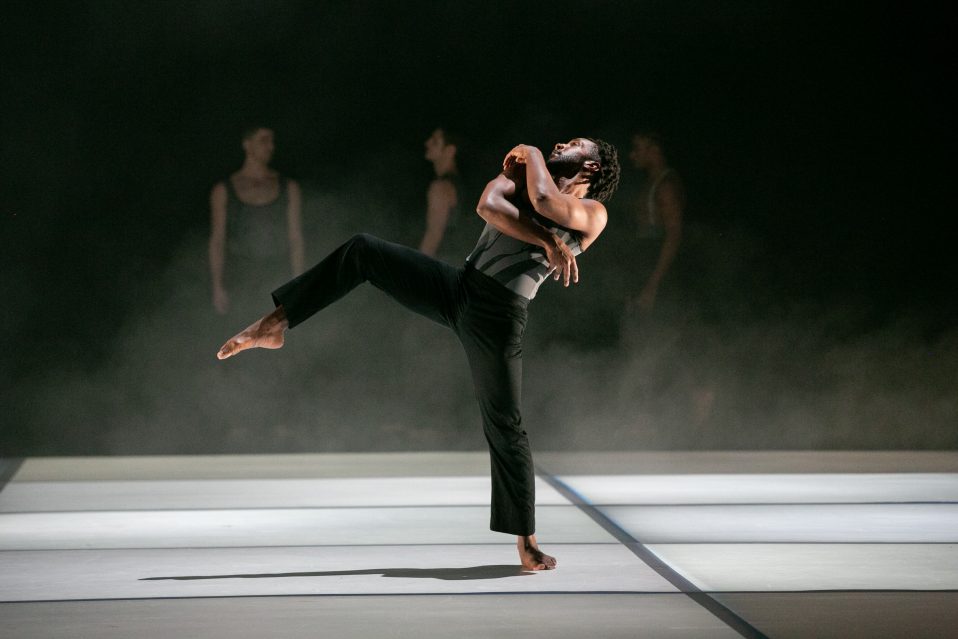
routine in a concert dance setting. Theatrical dance, also called
performance or concert dance, is intended primarily as a spectacle,
usually a performance upon a stage by virtuoso dancers. It often tells a
story, potentially using mime, costume and scenery, or it may interpret
the musical accompaniment, which is often specially composed and
performed in a theatre setting but it is not a requirement.
Examples are Western ballet and modern dance, Classical Indian
dance such as Bharatanatyam, and Chinese and Japanese song and dance
dramas, such as the dragon dance. Most classical forms are centred upon
dance alone, but performance dance may also appear in opera and other
forms of musical theatre.
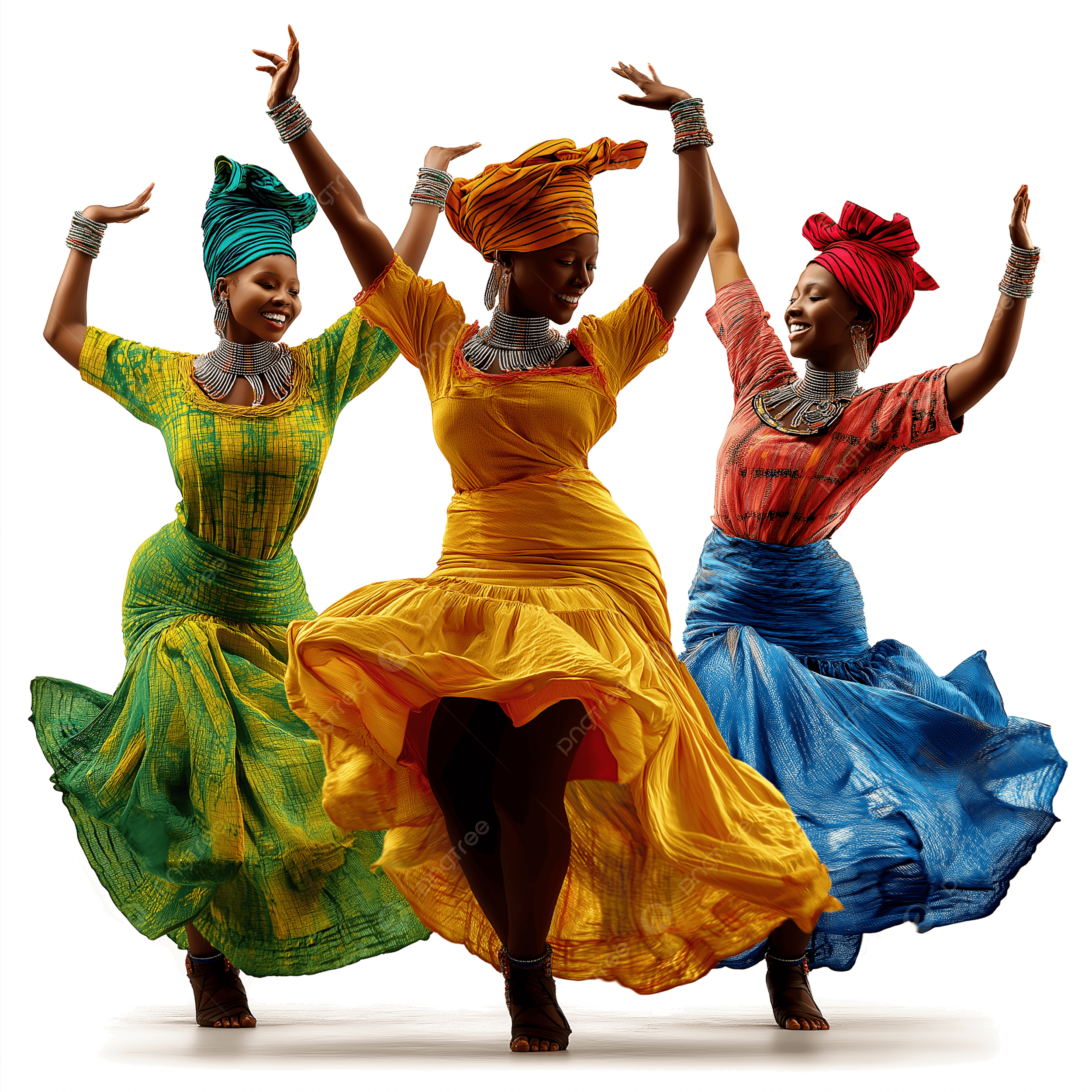
Participatory dance, whether it be a folk dance, a
social dance, a group dance such as a line, circle, chain or square
dance, or a partner dance, such as in Western ballroom dancing, is
undertaken primarily for a common purpose, such as social interaction or
exercise, or building flexibility of participants rather than to serve
any benefit to onlookers. Such dance seldom has any narrative.
A
group dance and a corps de ballet, a social partner dance and a pas de
deux, differ profoundly. Even a solo dance or interpretive dance may be
undertaken solely for the satisfaction of the dancer. Participatory
dancers often all employ the same movements and steps but, for example,
in the rave culture of electronic dance music, vast crowds may engage in
free dance, uncoordinated with those around them. On the other hand,
some cultures lay down strict rules as to the particular dances people
may or must participate.