Boxing
Humans have engaged in hand-to-hand combat since the earliest days of
human history. The origins of boxing in any of its forms as a sport
remain uncertain but, some sources suggest that it has prehistoric
roots in what is now Ethiopia, emerging as early as
the 2nd millennium BC.
The earliest visual evidence of any type of boxing is from Egypt and
Sumer, both from the 3rd millennia and can be seen in Sumerian
carvings from the 3rd and 6th millennia BC. The earliest
evidence of boxing rules dates back to Ancient Greece.


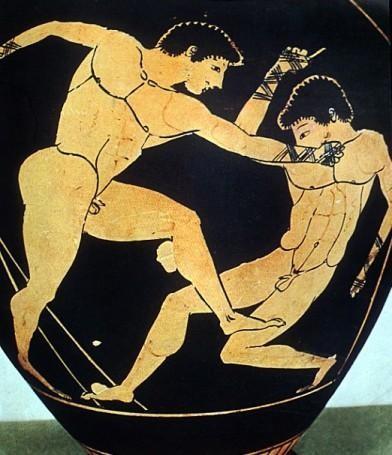
1. A boxing scene depicted on a Panathenaic amphora in Ancient Greece, c. 336BC
2. An Akrotiri fresco painting of Minoan youths boxing c. 1650 BC
3. A boxer surrendering by raising one finger, Greek amphora painting, c. 500 B.C.E.
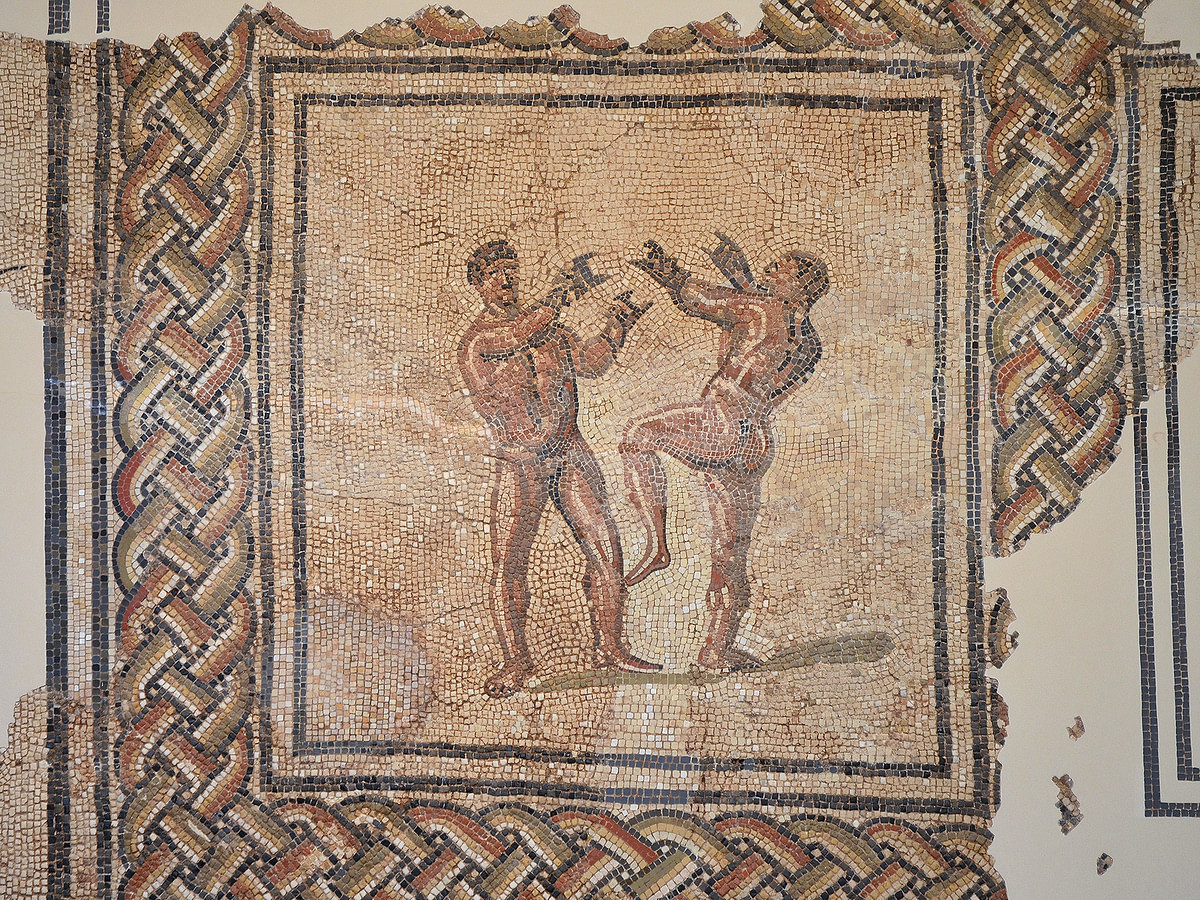
4. A mosaic fragment depicting two Roman boxers with oddly shaped boxing gloves, 300-350 CE
It is believed that when the Egyptians invaded Nubia, they adopted boxing from the local populace, subsequently popularizing it in Egypt. From there, the sport of boxing spread to various regions, including Greece, eastward to Mesopotamia, and northward to Rome.
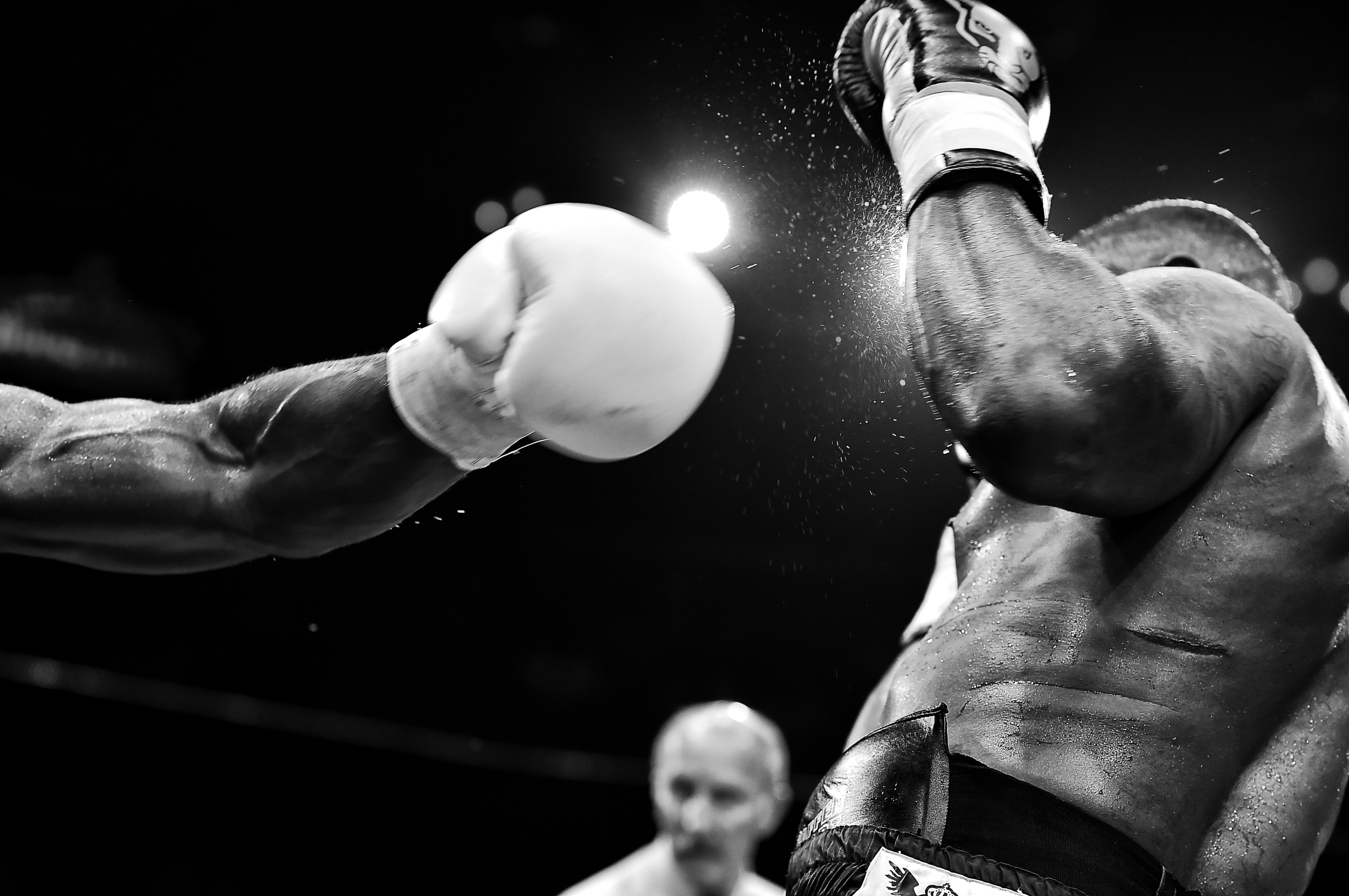
Although the term "boxing" is commonly attributed to western boxing, in which only fists are involved, it has developed in different ways in different geographical areas and cultures of the World.
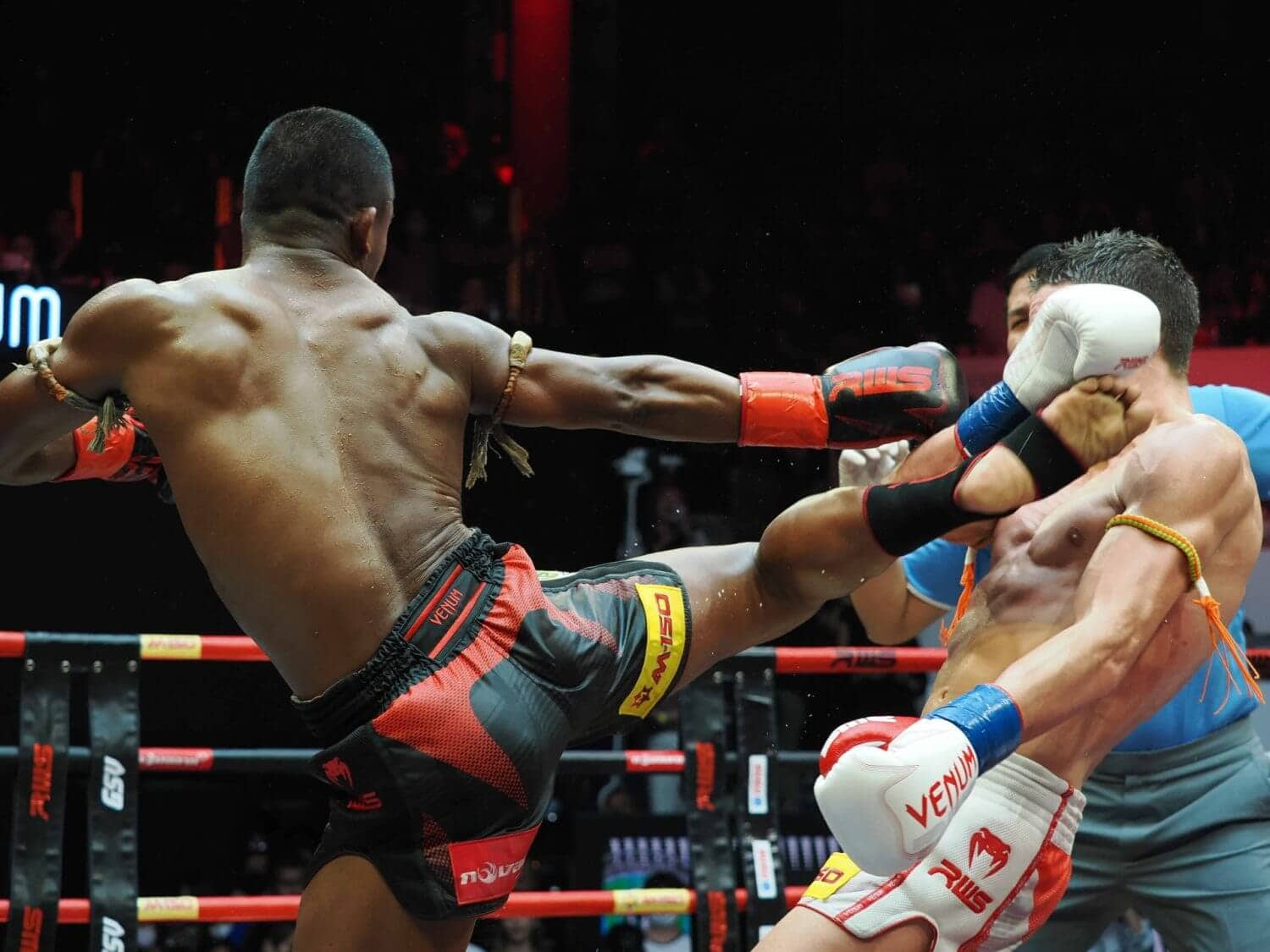
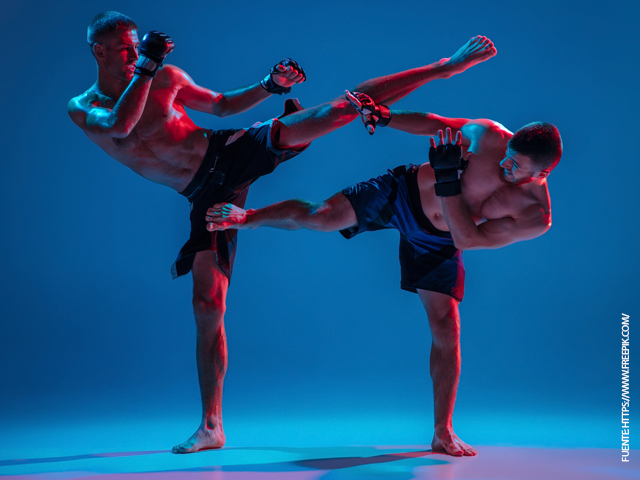
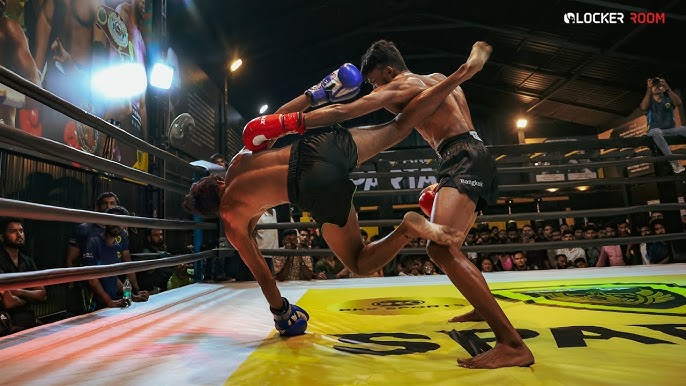
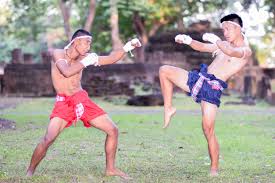
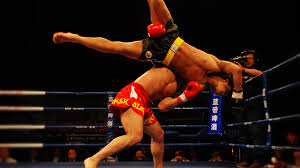
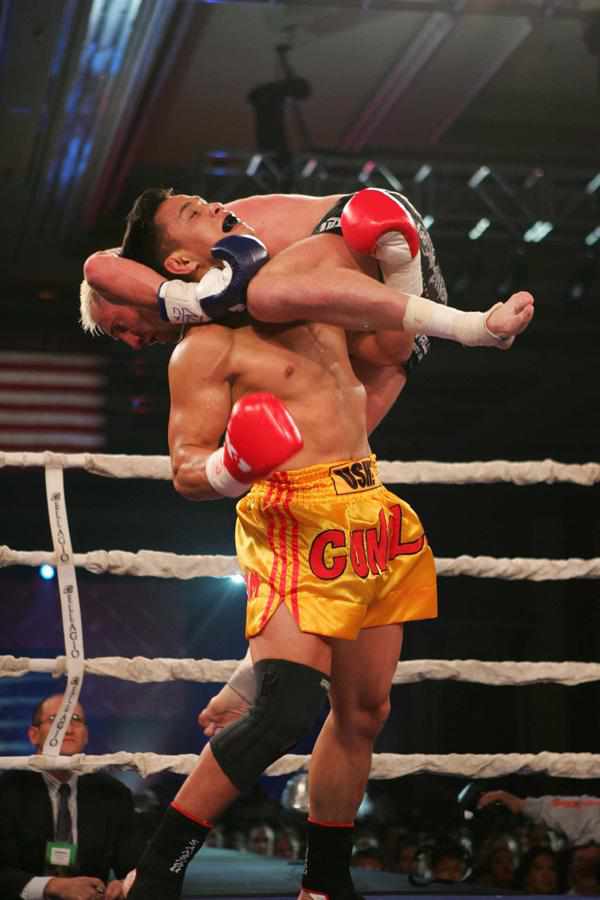
In global terms, "boxing" today is also a set of combat sports focused on striking, in which two opponents face each other in a fight using at least their fists, and possibly involving other actions, such as kicks, elbow strikes, knee strikes, and headbutts, depending on the rules. Boxing techniques have been incorporated into many martial arts, military systems, and other combat sports.
Some of these variants are the Bare-knuckle boxing, Kickboxing, Muay Thai, Lethwei, Savate, and Sanda.

To learn more about Boxing, click here