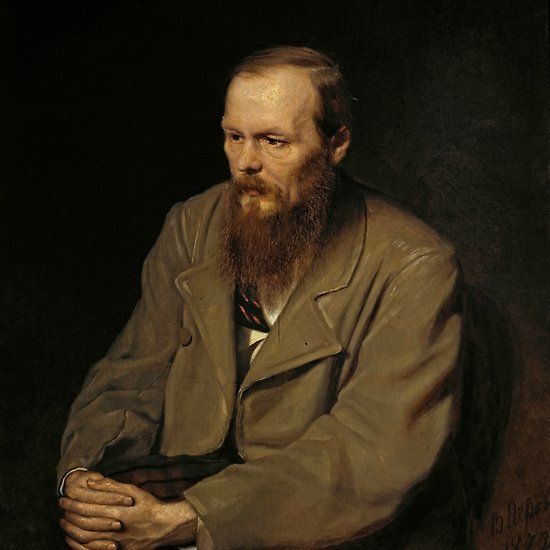

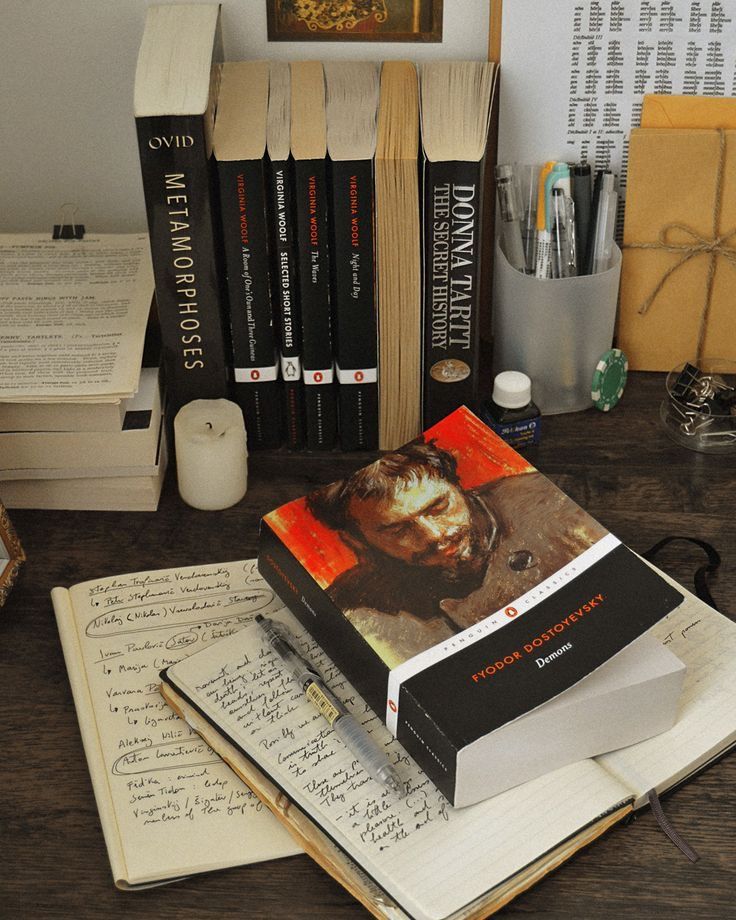
Fyodor Mikhailovich Dostoevsky was born on November 11, 1821, in Moscow, Russia, into a middle-class family. His father was a military doctor, known for his strictness, while his mother was gentle and deeply religious. Dostoevsky was introduced to literature early, reading works by Pushkin, Goethe, and Shakespeare, which planted the seeds of his literary future. In 1837, after his mother’s death, he entered the Nikolayev Military Engineering Institute in St. Petersburg. Though he trained as an engineer, his heart belonged to literature. His first novel, Poor Folk (1846), was an immediate success and earned him recognition in literary circles. But his life took a dramatic turn in 1849 when he was arrested for participating in a group that discussed banned political texts. He was sentenced to death, but at the last moment, the execution was halted—a psychological trauma that would shape his worldview and writing forever. He spent four years in a Siberian labor camp, followed by compulsory military service. After his release, Dostoevsky returned to writing with renewed depth. His experiences in prison and his struggles with epilepsy, poverty, and gambling addiction infused his novels with raw psychological insight. His major works—Crime and Punishment, The Idiot, Demons, and The Brothers Karamazov—explored themes of morality, free will, suffering, and redemption. He died in St. Petersburg on February 9, 1881, at the age of 59. Today, Dostoevsky is considered one of the greatest novelists in world literature, a pioneer of existentialism, and a master of psychological fiction.
His life, as strange and fractured as his novels, unfolds here.
“The mystery of human existence lies not in just staying alive, but in finding something to live for.”
“Man is sometimes extraordinarily, passionately, in love with suffering.”
“To live without hope is to cease to live.”
“I'm a fool with a heart but no brains, and you're a fool with brains but no heart; and we're both unhappy, we're both suffer.”
“I was burning while you came blaming me for the smell of ashes.”