The Chocolate Story
The Cocoa Bean
The cocoa bean, also known as cocoa (/ˈkoʊ.koʊ/) or cacao (/kəˈkaʊ/),[1] is the dried and fully fermented seed of Theobroma cacao, the cacao tree, from which cocoa solids (a mixture of nonfat substances) and cocoa butter (the fat) can be extracted. Cacao trees are native to the Amazon rainforest. They are the basis of chocolate and Mesoamerican foods including tejate, an indigenous Mexican drink.
History of Chocolate
Evidence suggests that cacao was first domesticated in equatorial South America, before being domesticated in Central America roughly 1,500 years later.Artifacts found at Santa-Ana-La Florida, in Ecuador, indicate that the Mayo-Chinchipe people were cultivating cacao as long as 5,300 years ago. Chemical analysis of residue extracted from pottery excavated at an archaeological site at Puerto Escondido, in Honduras, indicates that cocoa products were first consumed there sometime between 1500 and 1400 BC. Evidence also indicates that, long before the flavor of the cacao seed (or bean) became popular, the sweet pulp of the chocolate fruit, used in making a fermented (5.34% alcohol) beverage, first drew attention to the plant in the Americas.
Chocolate in the Modern World:Hot Chocolate
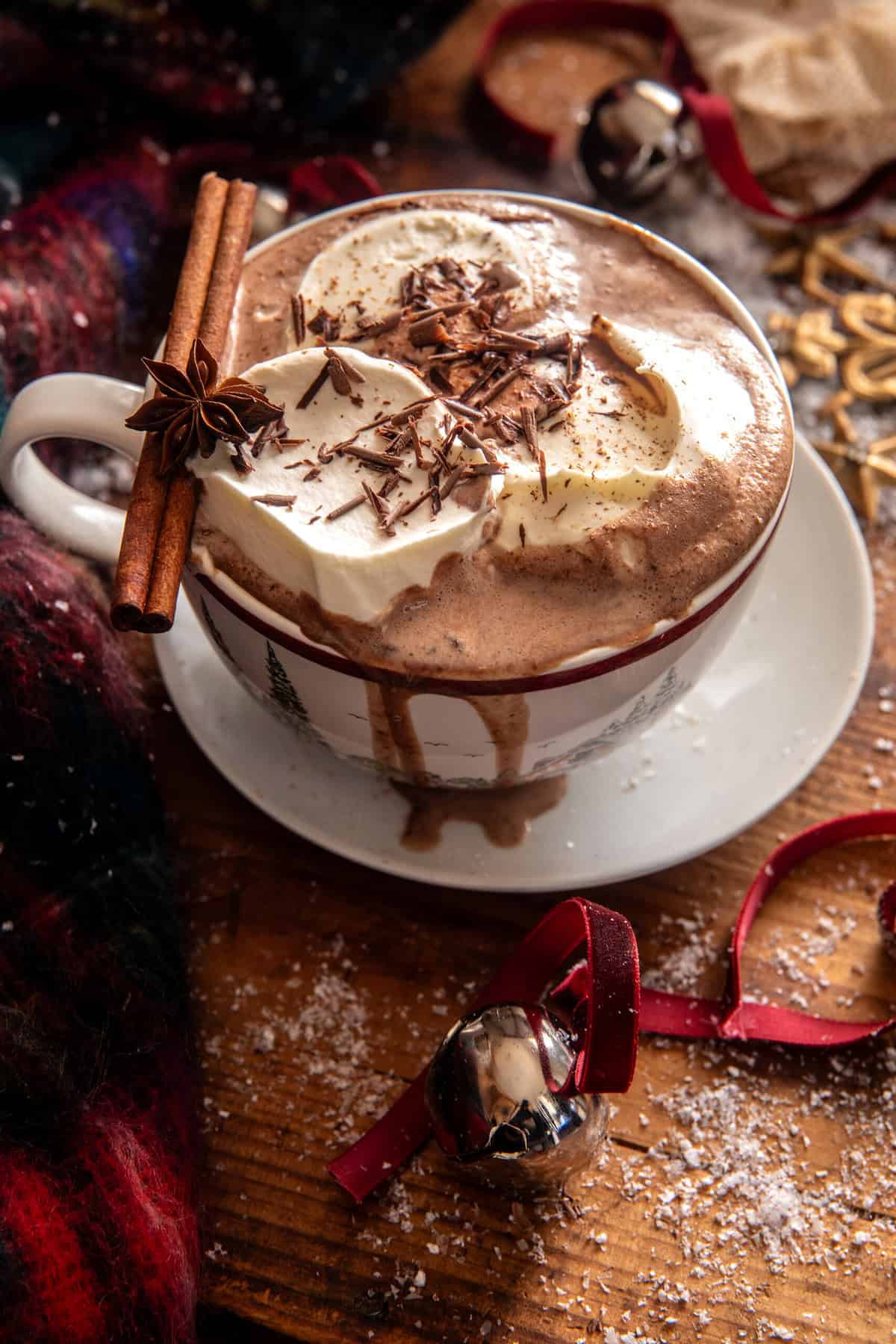
Even though hot chocolate is usually drunk for enjoyment, it can also be good for the health. Hot chocolate has a lot of antioxidants that may be good for the health. From the 16th to 19th centuries, hot chocolate was used as a medicine and a drink. Explorer Francisco Hernández wrote that chocolate drinks helped fever and diseases of the liver. Another explorer, Santiago de Valverde Turices, thought that large amounts of hot chocolate were good for fixing chest problems, and small amounts could help stomach problems. When chocolate first came to France in the 17th century, it was used "to fight against fits of anger and bad moods". This may be because of a chemical that makes a person's mood better in chocolate.
More about Hot Choco