VACATION TO EGYPT
I Love Traveling and entertainment
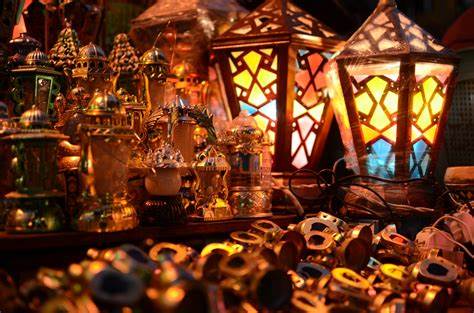
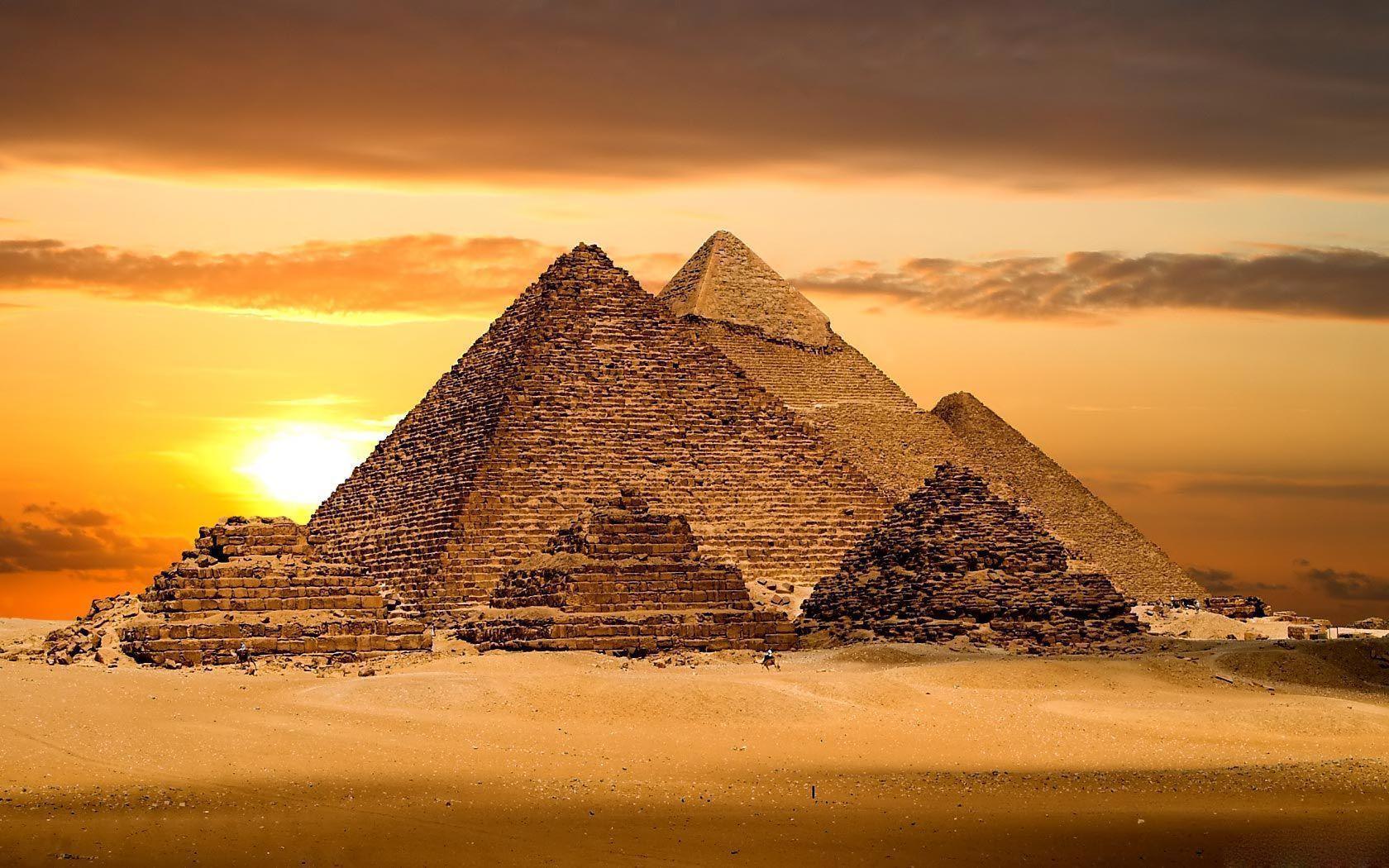
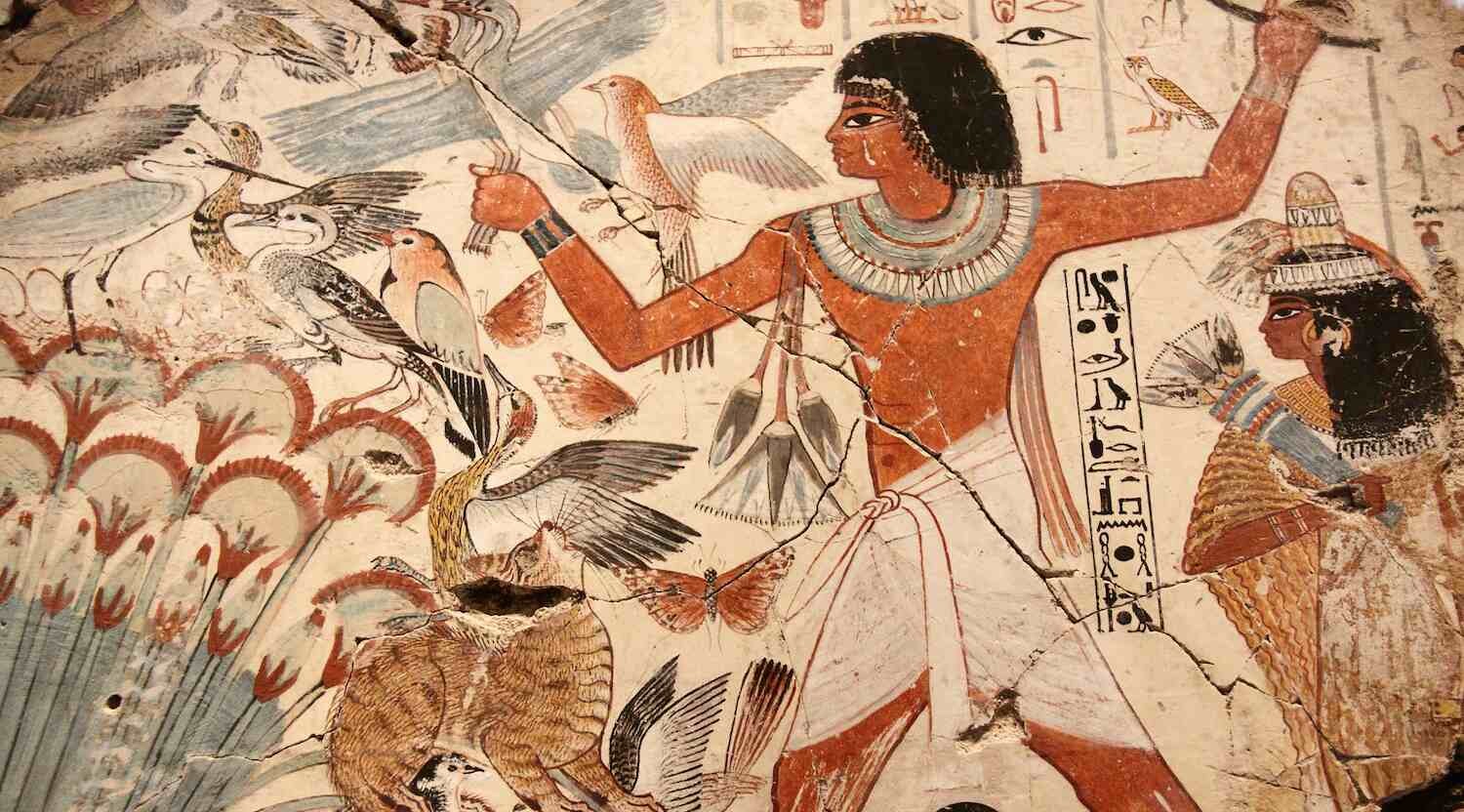
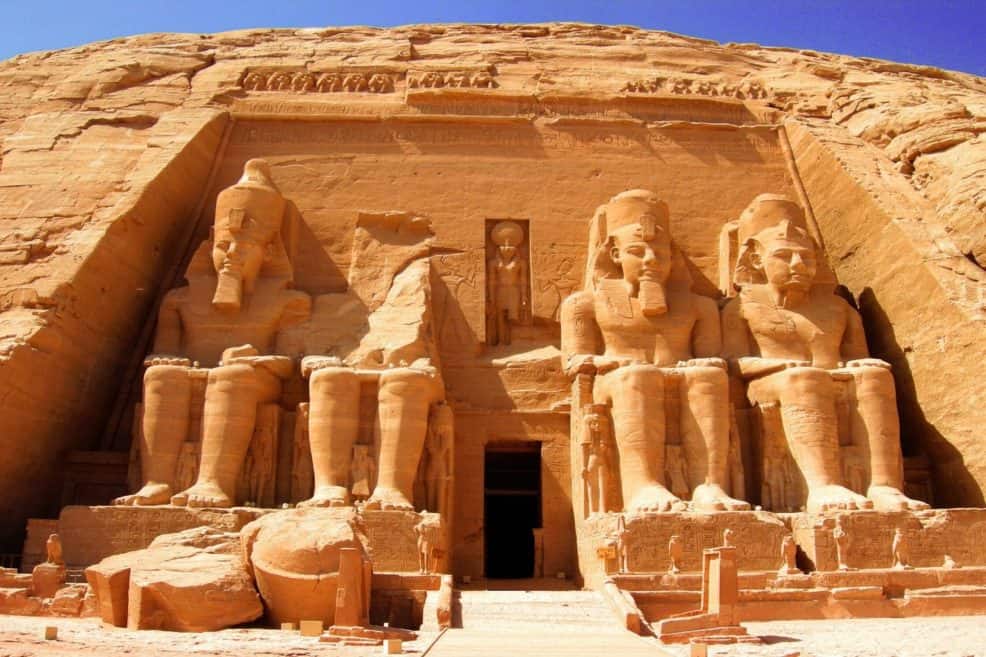
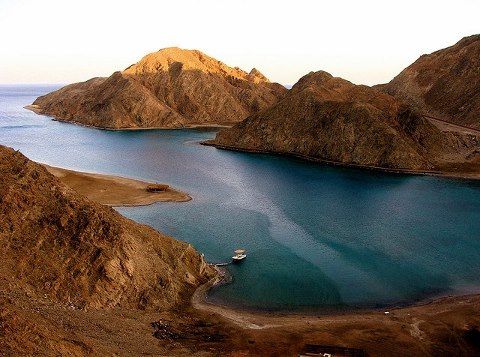
“Egypt and The Red Sea” invites you to embark on a journey that starts with the awe-inspiring pyramids and temples of ancient Egypt. Walk in the footsteps of pharaohs, explore the tombs in the Valley of the Kings, and marvel at the colossal statues and towering obelisks that have stood the test of time.
The Nature of Egyptian Festivals
Communal gatherings for worship took place during festivals, and as the
Egyptians set a premium on enjoying life, there were many of them
throughout the year. These festivals (known as heb) allowed people to
experience the god intimately, give thanks for gifts that were given,
and make requests for divine favors. Egyptologist Margaret Bunson
writes:
Great Pyramid of Giza, ancient Egyptian pyramid that is the largest of the three Pyramids of Giza, located on a rocky plateau on the west bank of the Nile River in northern Egypt.
Religious Practice in Egypt
There were no religious services in Egypt corresponding to worship
services in the present day. The priests served the gods, not the
people, and their job was to administer to the gods' daily needs, recite
hymns and prayers for the souls of the dead, and engage in rituals which
ensured the continued goodwill of the gods to the people. A deity was
thought to live in the statue housed in the inner sanctum of that god's
temple, and the high priest was the only person allowed in its presence
until the position of God's Wife of Amun was elevated during the Middle
Kingdom of Egypt (2040-1782 BCE). At this time, the female priestess in
the role of God's Wife of Amun became the counterpart to the high priest
and assisted in caring for the statue in the temple of Karnak at Thebes.
read more
Book your vacation to Egypt