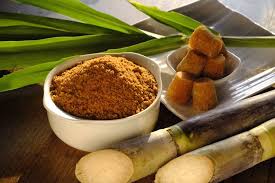
Jaggery, a traditional unrefined sugar, has a rich history dating back over 3,000 years to ancient India. Known as gud in Hindi, it was widely used during the Vedic period, not only as a sweetener but also in rituals and Ayurvedic medicine. Made from sugarcane or palm sap, jaggery spread to Southeast Asia and Africa through trade routes. It played a vital role in rural economies and was considered a symbol of prosperity. Unlike refined sugar, jaggery retains essential minerals, making it a healthier alternative. Today, it remains a staple in Indian cuisine and festivals, symbolizing warmth and tradition.