From Circus to Mainstream
Pole dance has ancient roots, with early forms appearing in
Mallakhamb, a traditional Indian sport dating back to the 12th
century, where athletes performed acrobatics on a wooden pole to build
strength and agility. Similarly, Chinese pole acrobatics,
practiced for centuries in circuses, showcased gravity-defying tricks
on rubber-coated poles, though these were male-dominated and unrelated
to modern pole dance's sensual or artistic styles.
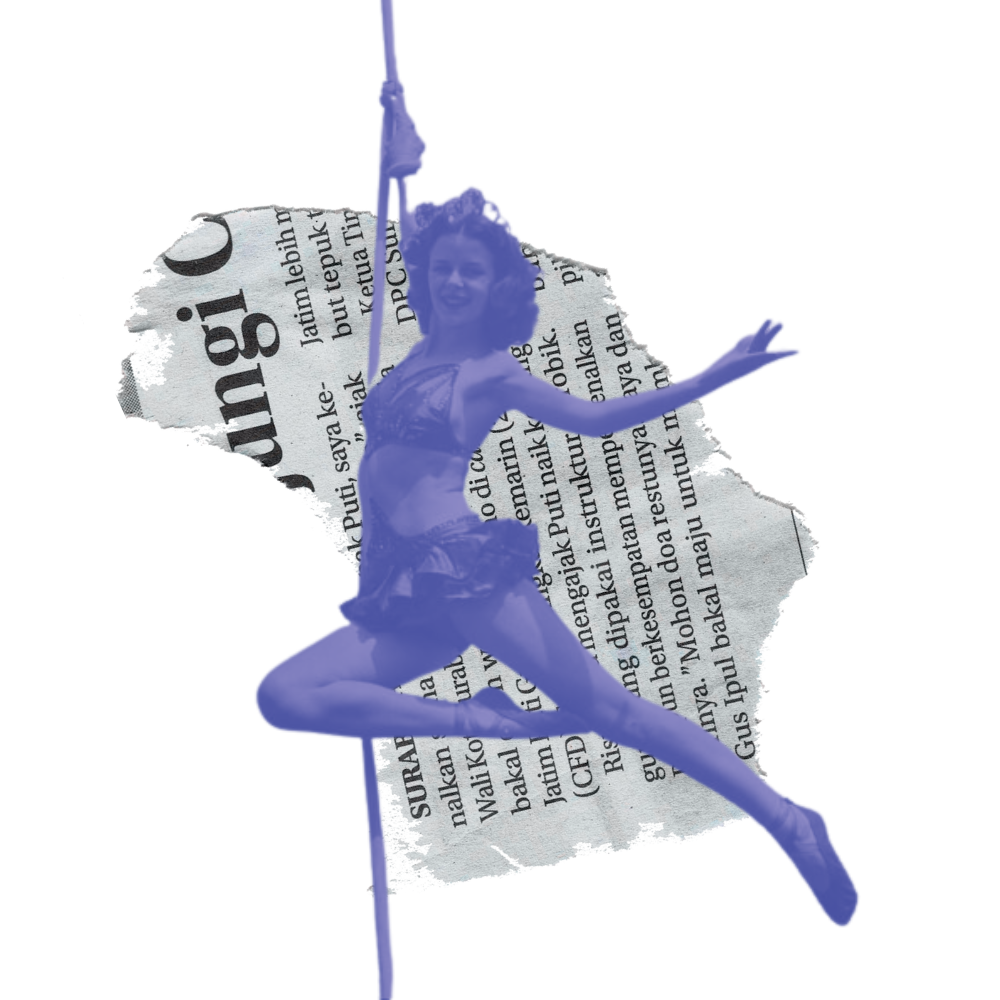
In the West, pole dance evolved from traveling circuses and sideshows
in the 1920s, where "Hoochie Coochie" dancers in the U.S. used tent
poles for sensual performances, blending Middle Eastern belly dance
with burlesque.
By the 1950s–60s, pole dancing moved into strip clubs, where dancers
combined striptease with athletic spins and climbs, particularly in
venues like Mary's Club (1954) and San Francisco's Condor Club (1964),
which popularized topless performances.
The fitness and competitive era began in the 1990s, when Canadian
stripper Fawnia Mondey started teaching pole as an art form, releasing
instructional videos and opening studios. By the 2000s, pole dance
spread globally as a sport, with competitions like Miss Pole Dance
World (2005) and efforts by the International Pole Sports Federation
to gain Olympic recognition.
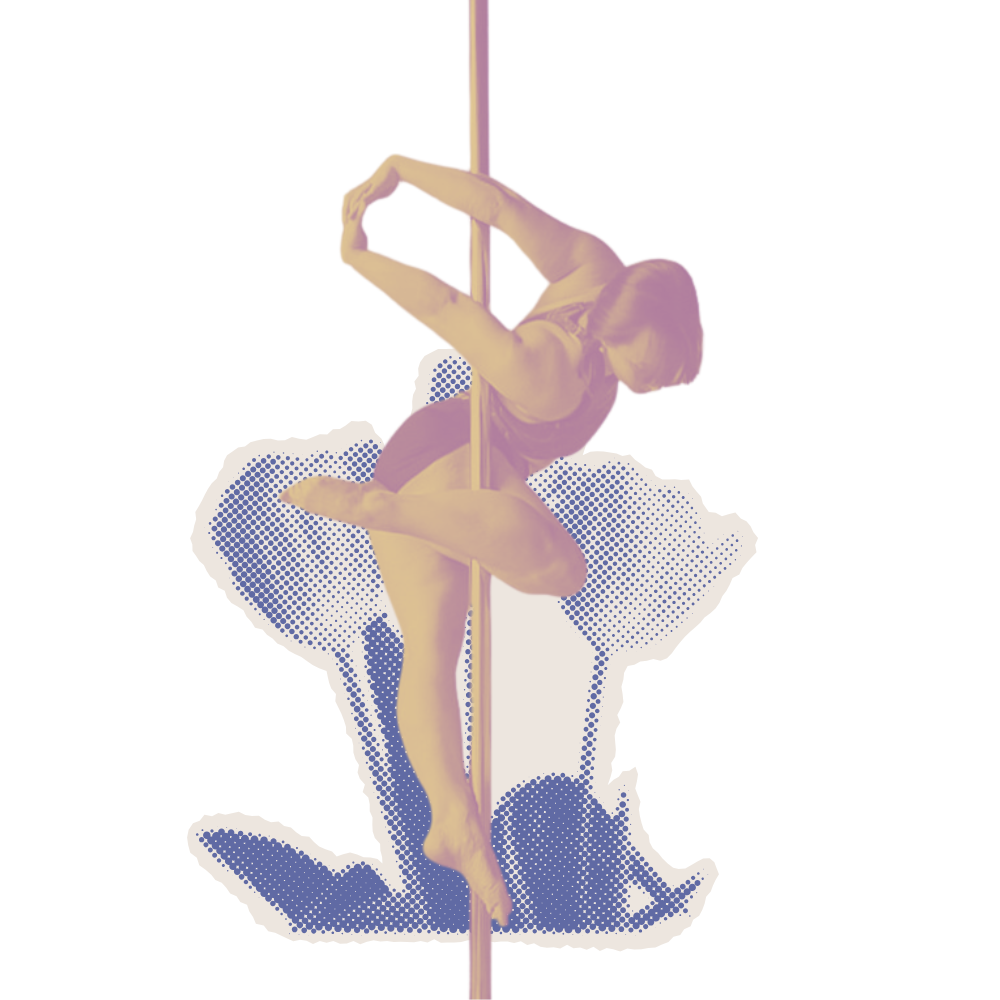
Today, pole dance is celebrated as both a high-performance sport and
an empowering artistic discipline, bridging its erotic origins with
mainstream athleticism.