The World of Pasta!!!
Pasta (UK: /ˈpæstə/, US: /ˈpɑːstə/; Italian: [ˈpasta]) is a type of food typically made from an unleavened dough of wheat flour mixed with water or eggs, and formed into sheets or other shapes, then cooked by boiling or baking.
A brief history of Pasta

Pasta's rich history spans over 3,500 years and multiple continents, with early forms found in ancient China, the Middle East, Africa, and Italy. While it’s widely associated with Italian cuisine today, noodle-like dishes made from wheat or rice flour were consumed in China as early as the Shang Dynasty (1700–1100 BC). Similarly, evidence of pasta-making in Italy dates back to the 4th century BC, found in Etruscan tombs. In Italy, pasta evolved significantly over time. During the medieval and Renaissance periods, it became a staple food, celebrated in art and literature, and eventually diversified into numerous shapes and preparations. The 19th century saw the rise of mechanical pasta-making and factories, further cementing pasta’s place in Italian culture. Pasta’s spread beyond Italy involved multiple influences. While the myth of Marco Polo bringing pasta from China has been debunked, Arab traders likely introduced dried durum wheat pasta to Sicily in the 8th or 9th century. In the U.S., Thomas Jefferson helped popularize pasta after his travels to Europe, even sketching a pasta-making machine. Today, pasta exists in two main forms—dried (made from semolina for long shelf life) and fresh (using soft wheat flour)—and has become a global culinary staple, appreciated for its adaptability, simplicity, and variety.
Pasta in Italy
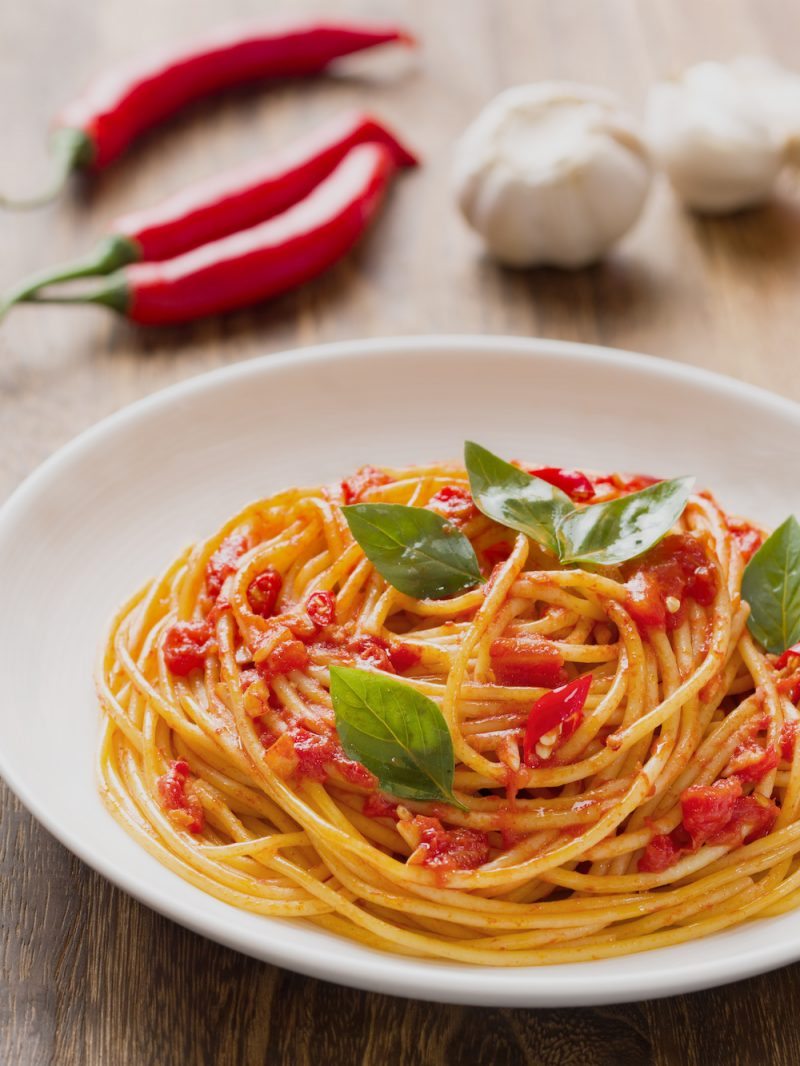
Pasta is a staple food in Italy, with a wide variety of shapes and sauces enjoyed throughout the country. While some popular pasta dishes are known globally like spaghetti with tomato sauce, carbonara, and cacio e pepe, the diversity of Italian pasta extends to regional specialties and unique sauces.
Regional Variations in Italian Pasta

Italian pasta dishes vary widely by region, each offering its own unique flavors and ingredients. Central Italy is famed for simple yet rich recipes like Cacio e Pepe, Carbonara, and Amatriciana, all centered around a few quality ingredients such as pecorino cheese, guanciale, and black pepper. In Southern Italy, pasta dishes tend to be more vibrant and diverse, often incorporating fresh vegetables, olives, capers, and seafood for bold, Mediterranean flavors. Meanwhile, Northern Italy showcases fresh pasta varieties like tagliatelle, paired with creamy or herb-based sauces like the iconic pesto from Liguria.
Popular Pasta Shapes

Italy’s culinary diversity is also reflected in its pasta shapes. Spaghetti is perhaps the most well-known, served with everything from tomato sauce to Cacio e Pepe. Penne, with its tube shape and angled ends, holds thicker sauces well, while fusilli spirals are perfect for capturing flavorful ingredients. Layered dishes like lasagna rely on flat pasta sheets, while ribbon-shaped varieties such as tagliatelle and pappardelle are ideal for hearty meat sauces like Bolognese or wild boar ragu.
Essential Ingredients and Sauces
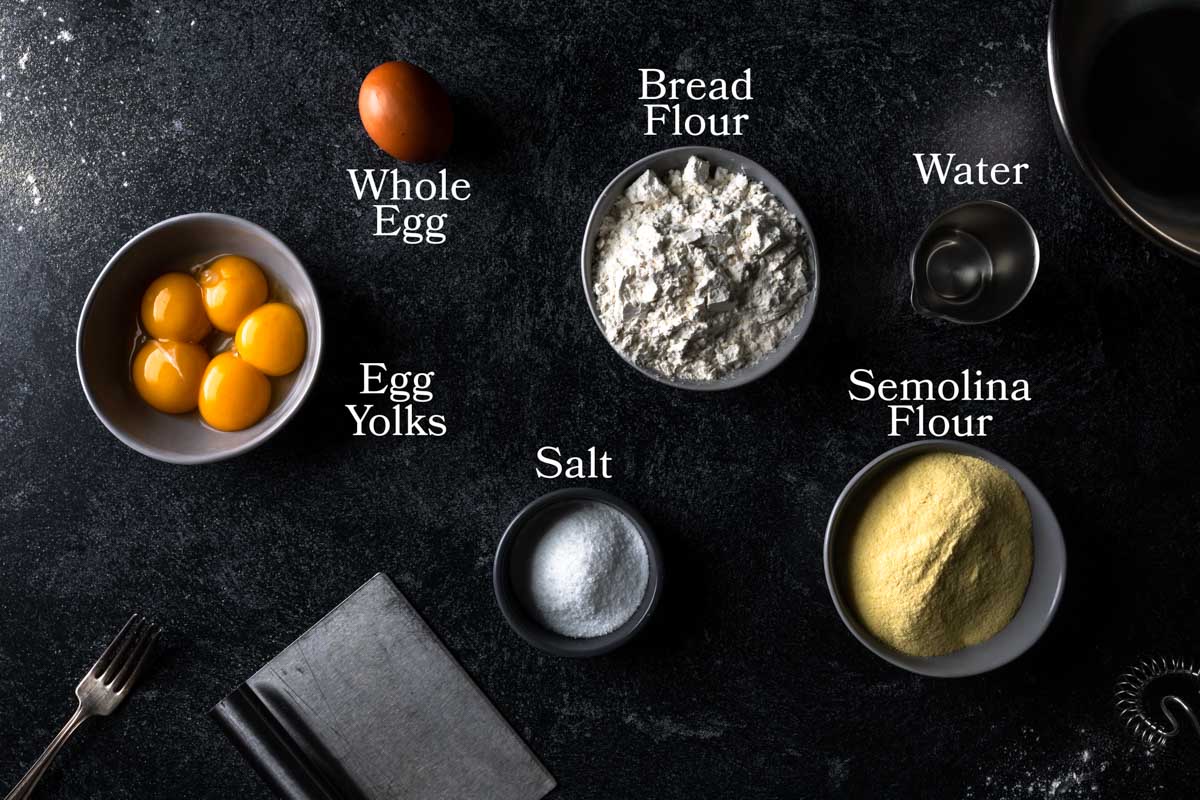
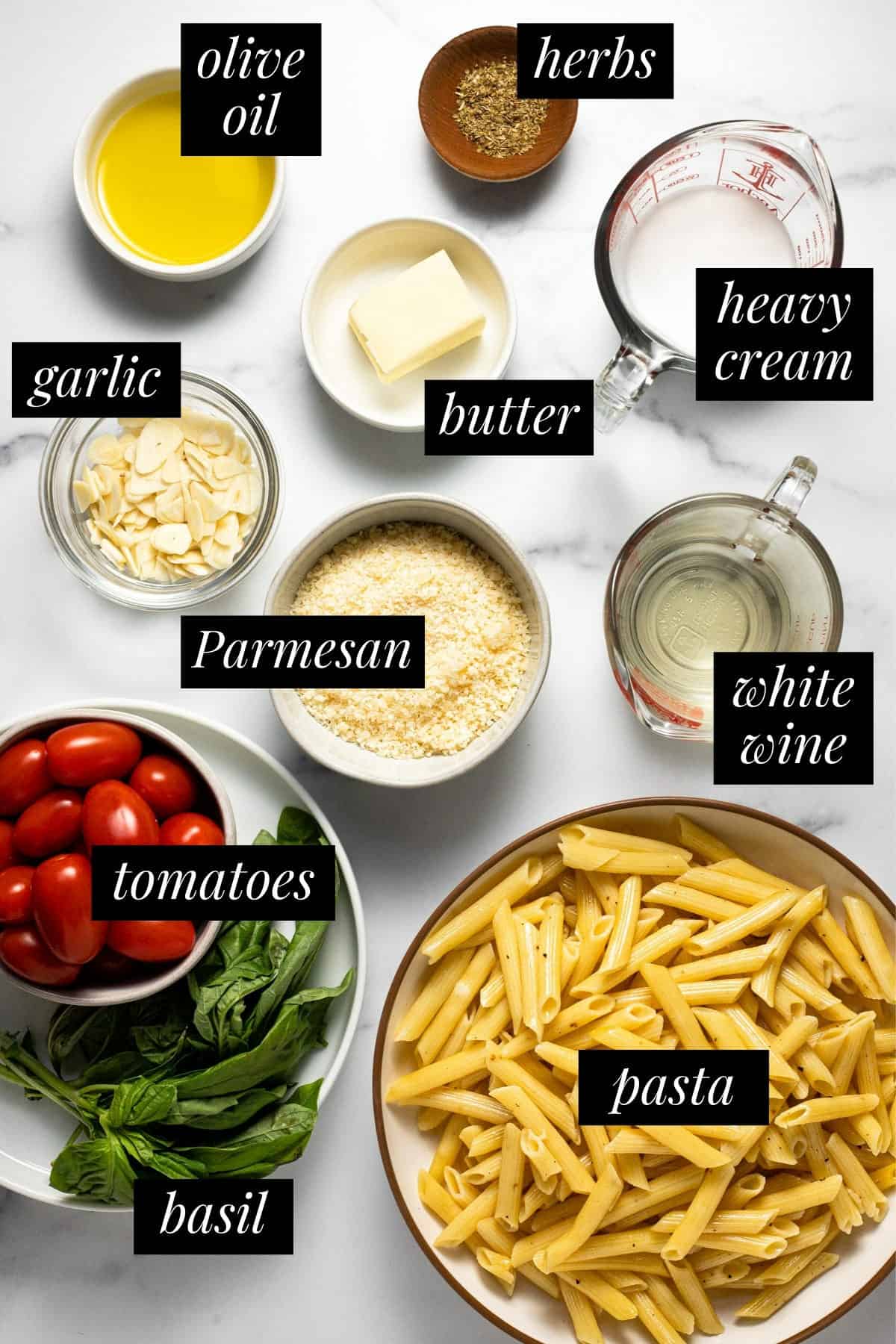
The foundation of any great pasta dish lies in its ingredients. Semolina flour from durum wheat gives pasta its signature texture, while staples like olive oil, garlic, and tomato sauce bring depth and aroma. Parmesan cheese, often freshly grated, adds a salty, nutty finish to many dishes. These key elements, combined with regional flair and a variety of pasta shapes, make Italian pasta a beloved staple around the world.
4 Classic Pastas Special to Rome
Cacio e Pepe

Cacio e Pepe, meaning “cheese and pepper,” is as simple as it gets—just pasta, Pecorino Romano, black pepper, and starchy pasta water. No butter, no cream—just a velvety, peppery coating that highlights the bold flavors of its few ingredients.
Pasta alla Gricia
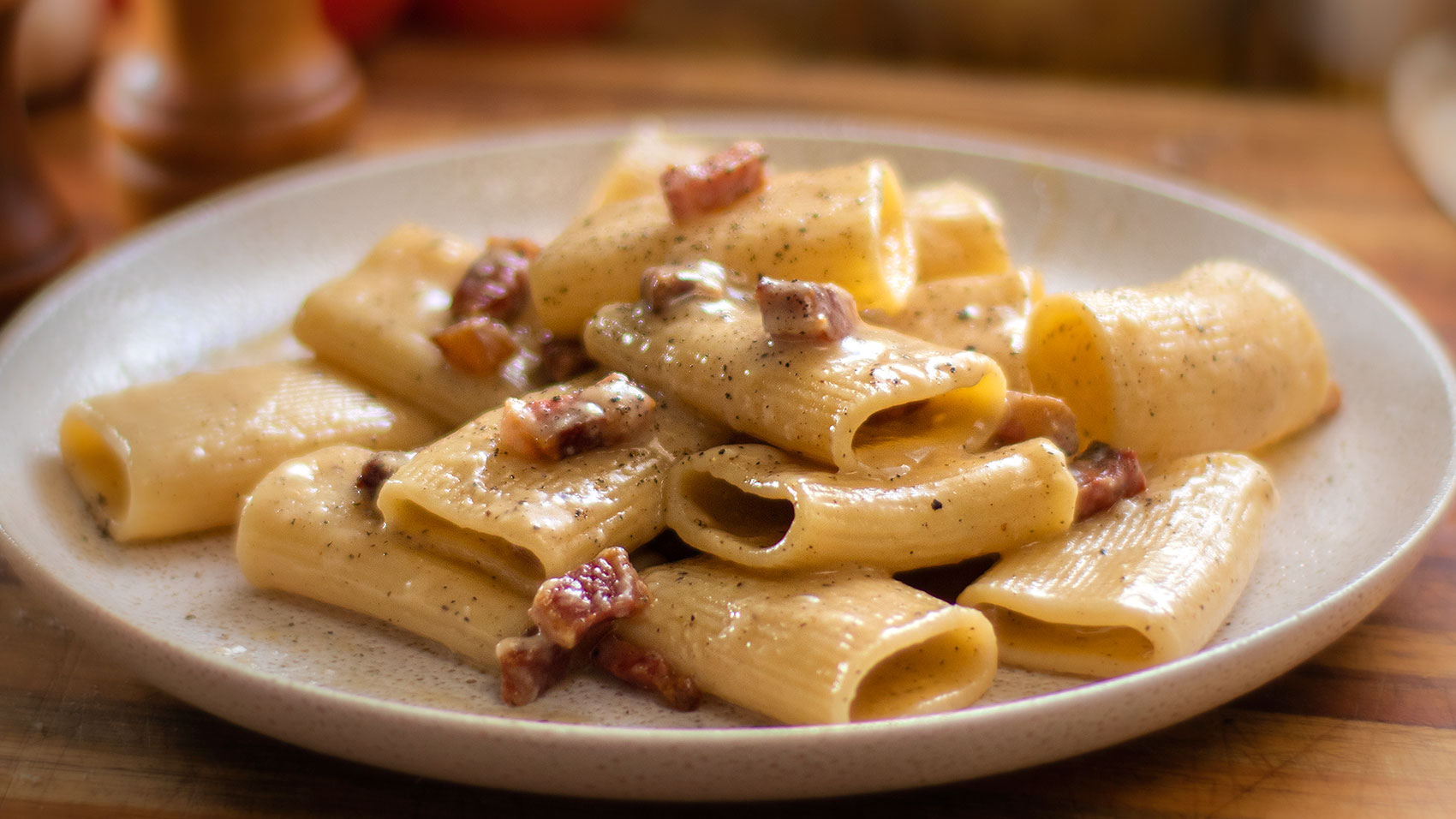
Alla Gricia is a minimalist delight made with pasta, guanciale (cured pork jowl), Pecorino Romano, and black pepper. The rendered pork fat and starchy pasta water create a glossy, peppery sauce that clings to the noodles, finished with a sharp tang of grated cheese.
Amatriciana
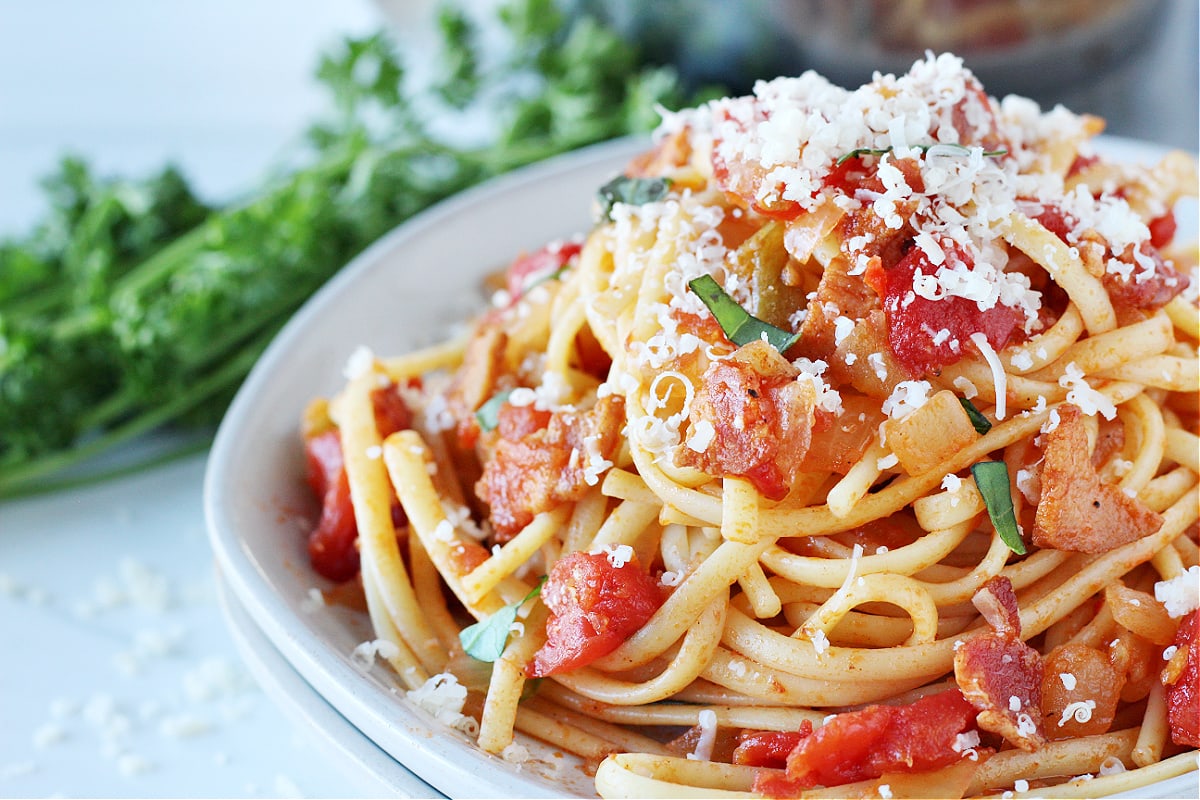
Amatriciana, originating from the town of Amatrice in the Lazio region, adds a tomato twist to the Gricia base. This vibrant sauce combines crushed tomatoes, guanciale, onions, and Pecorino Romano, traditionally served with bucatini or spaghetti.
Carbonara
:max_bytes(150000):strip_icc()/MSL-338686-spaghetti-carbonara-hero-3x2-69999-560b45d1dd9f4741b717176eff024839.jpeg)
Carbonara elevates the Roman pasta experience with a creamy sauce made from egg yolks, Pecorino Romano, and guanciale. When tossed with hot pasta and a splash of reserved water, the ingredients emulsify into a rich, silky sauce—without any added cream.