Is 3D Printing the Future of Healthcare?
Giving flexibility to create patient specific devices, implants, custom surgical tools and so much more
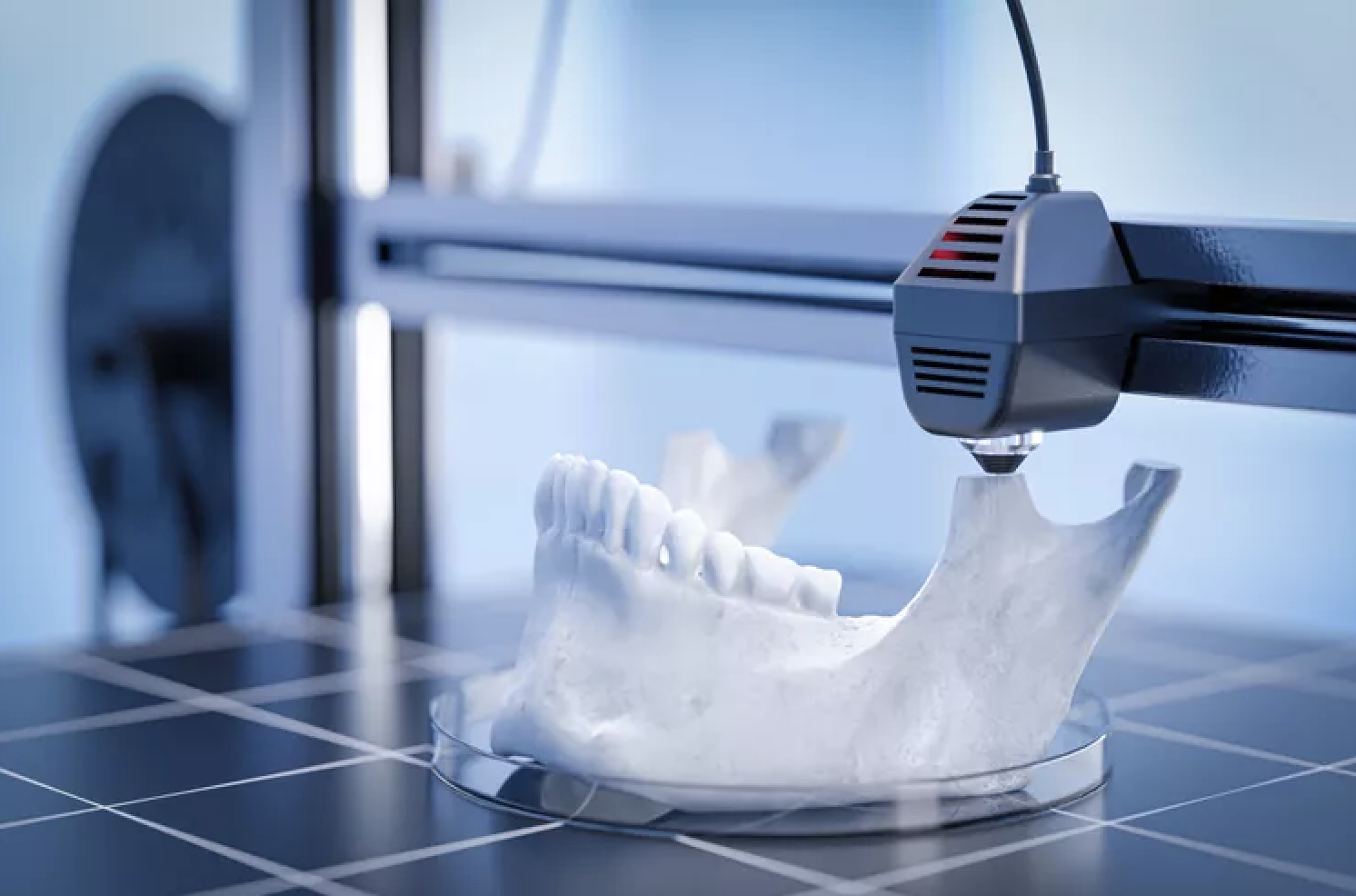
3D printing uses molten material as its ‘ink’ and builds up layers,
following instructions for a pre-programmed design. It is relatively
cheap, and the minimal equipment means that small labs, schools and even
households can now design and make objects on the spot.
3D printing in medicine and healthcare could revolutionise drug creation
and the production of medical equipment. It could also offer new methods
for practicing medicine, optimising supply chains, and proposing cheaper
and way more personalised medical services.
This page was built by Caoimhe McManus