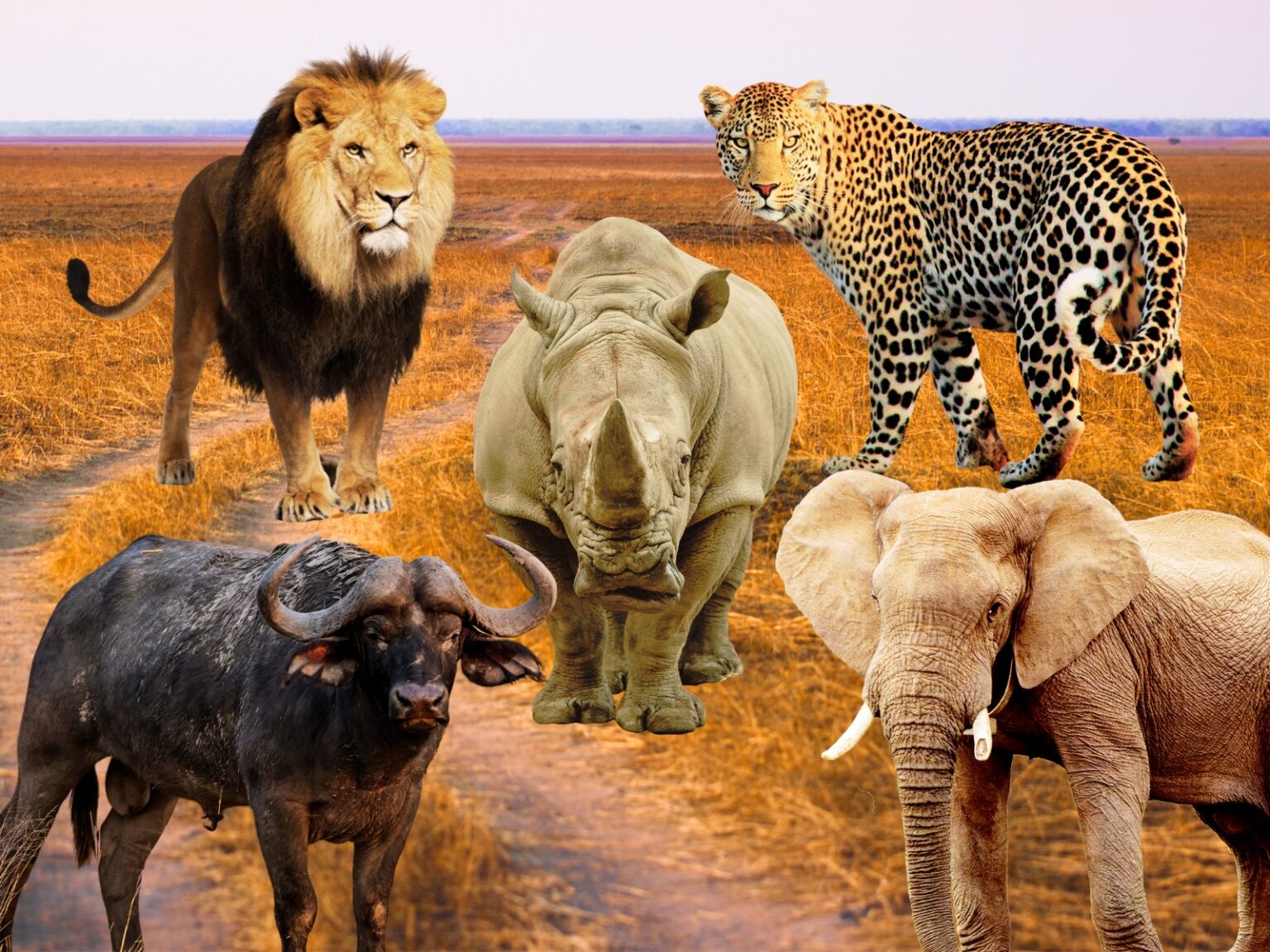
Wildlife represents biodiversity, essential for our health and the well-being of the whole planet. We live in an interconnected ecological system, where each macro- and microorganism, whether animal, plant or fish affects the other. Alteration of the natural habitat of any organism will trigger a dynamo effect, so non-equilibrium in the ecological system as a whole endangers the life cycle of many species. Around 40,000 species of animals, fungi and plants benefit humans. More than the third of our pharmaceuticals originate from wild plants.
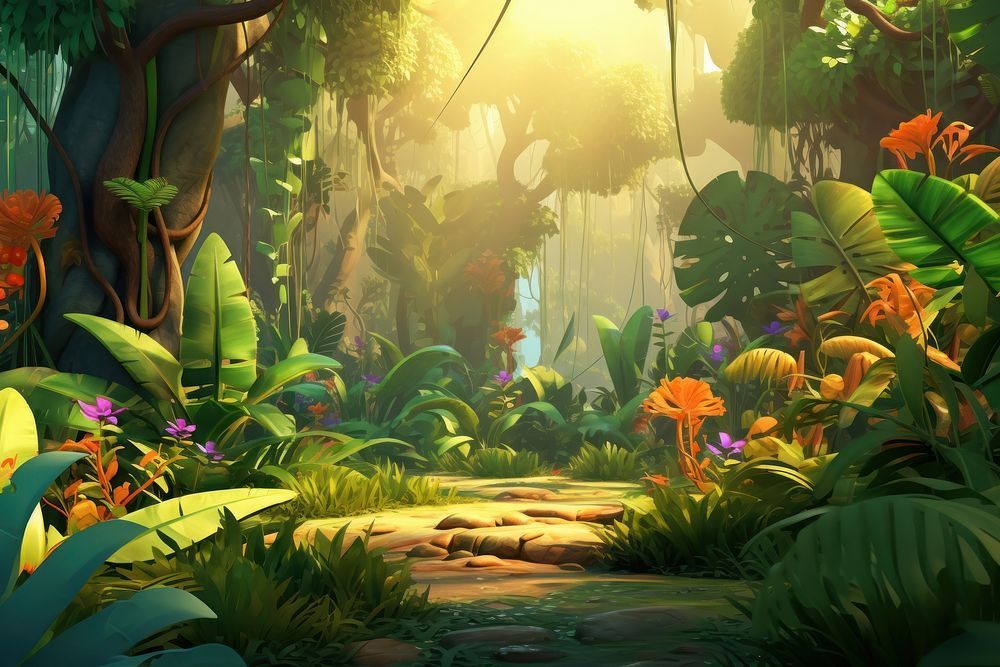
Vegetation is an assemblage of plant species and the ground cover they provide. It is a general term, without specific reference to particular taxa, life forms, structure, spatial extent, or any other specific botanical or geographic characteristics. It is broader than the term flora which refers to species composition. Perhaps the closest synonym is plant community, but vegetation can, and often does, refer to a wider range of spatial scales than that term does, including scales as large as the global. Primeval redwood forests, coastal mangrove stands, sphagnum bogs, desert soil crusts, roadside weed patches, wheat fields, cultivated gardens and lawns; all are encompassed by the term vegetation.
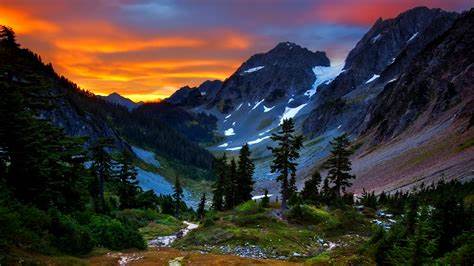
A mountain is an elevated portion of the Earth's crust, generally with steep sides that show significant exposed bedrock. Although definitions vary, a mountain may differ from a plateau in having a limited summit area, and is usually higher than a hill, typically rising at least 300 metres (980 ft) above the surrounding land. A few mountains are isolated summits, but most occur in mountain ranges.