My favourite dessert: Baklava
The best dessert in the Levant!
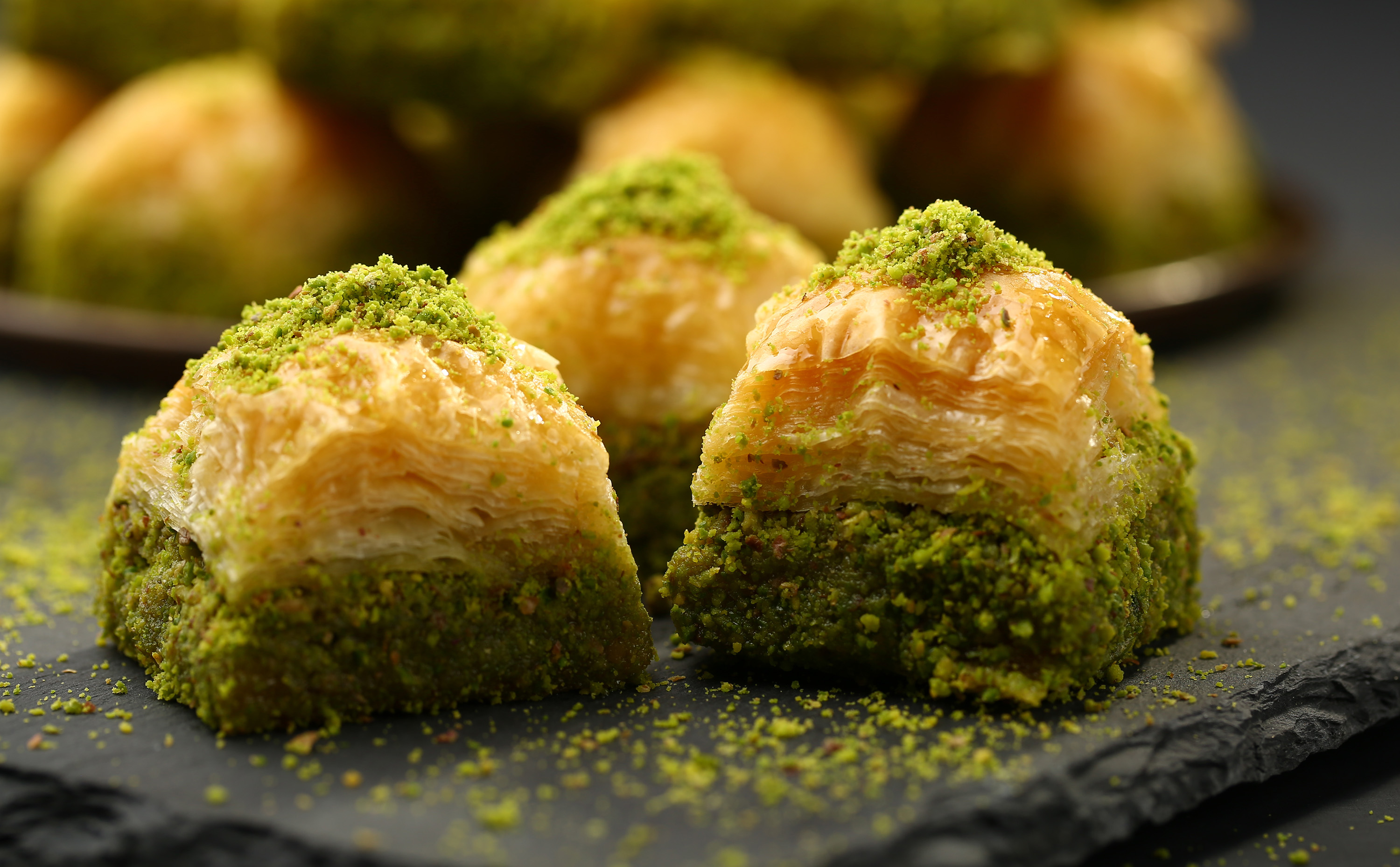
Baklava is one of the most loved desserts in the Middle East, the eastern Mediterranean and the Balkans. The sweet pastry is of Ottoman origin, hence it is found across many regions and each country/region has its own variation of its ingredients and even shapes. Many modern-day Turks claim to have invented Baklava and many criticise the versions of its neighbours. The Greeks, for example, claim that the name Baklava is derived from the Greek words "bak" (to bake) and "lava" (a type of dough), though this is widely debated. The Turks claim that the name comes from the Turkish word "bakla" (to wrap), which refers to the way the pastry is made. The Arabs also have their own theories about the origin of Baklava, with some claiming that it was first made in ancient Egypt and then spread to other regions through trade and conquest. In Lebanon and Syria, during ramadan, baklava is often served as a dessert after iftar, the meal that breaks the fast. It is also a popular dessert during special occasions and celebrations, such as weddings and holidays.
The pastry is made of layers of phyllo dough, filled with chopped nuts (often with pistachios and walnuts.) and sweetened with honey or syrup. It is often served with a sprinkle of pistachios or walnuts on top. The Lebanese and Syrians also have their own variations, which are often made with pistachios or walnuts. The Lebanese version is often made with a syrup that is flavored with rose water or orange blossom water, while the Syrian version is often made with a syrup that is flavored with cinnamon and cloves. The Armenians also have their own version of Baklava, which is made with a different type of dough and filled with nuts and spices. The Lebanese and Syrians also have their own variations, which are often made with pistachios or walnuts.
Learn more on: TasteAtlas