Classical Piano
🎶🎹🎶My Hobby
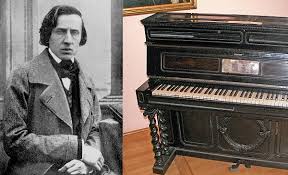
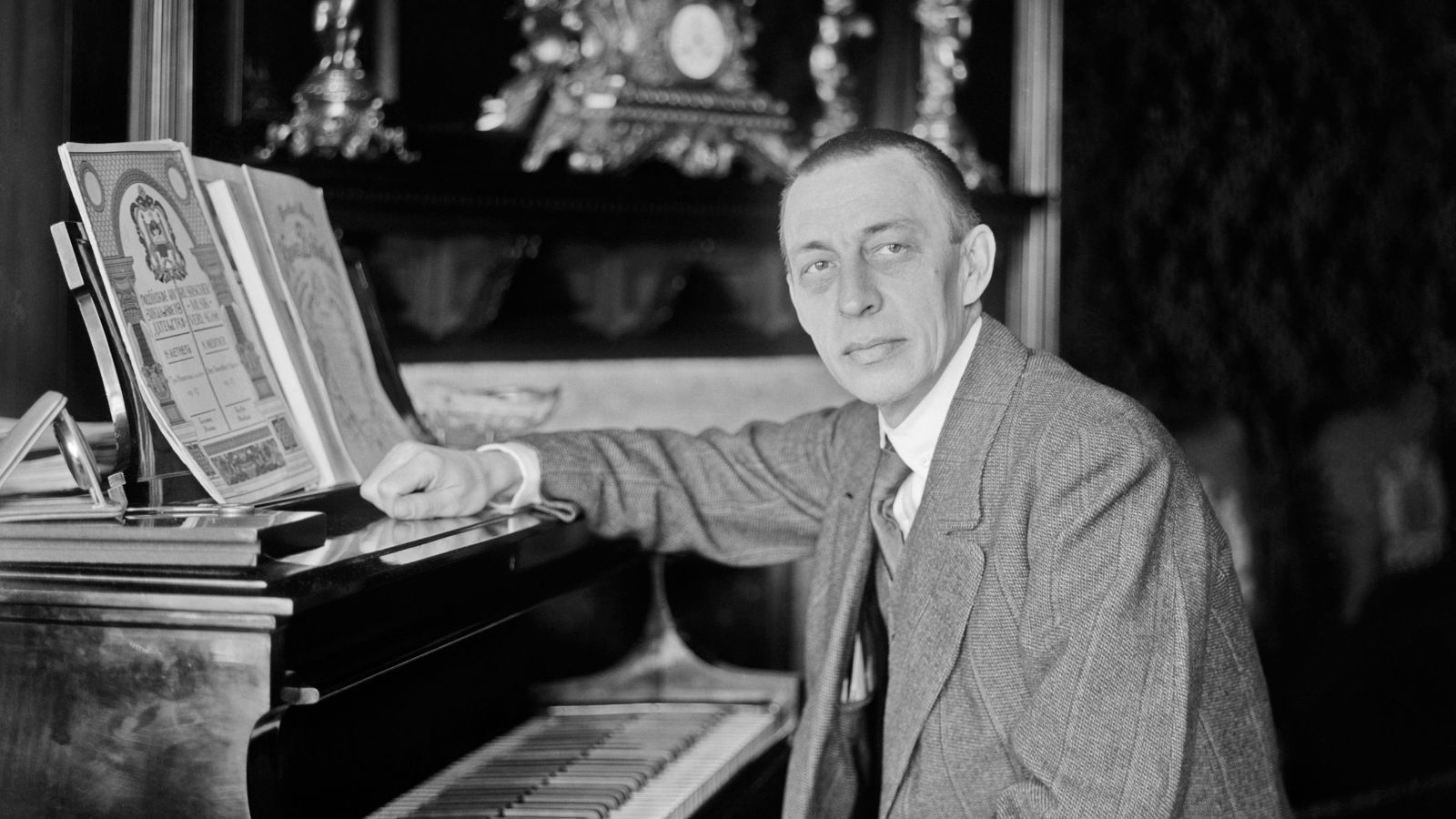
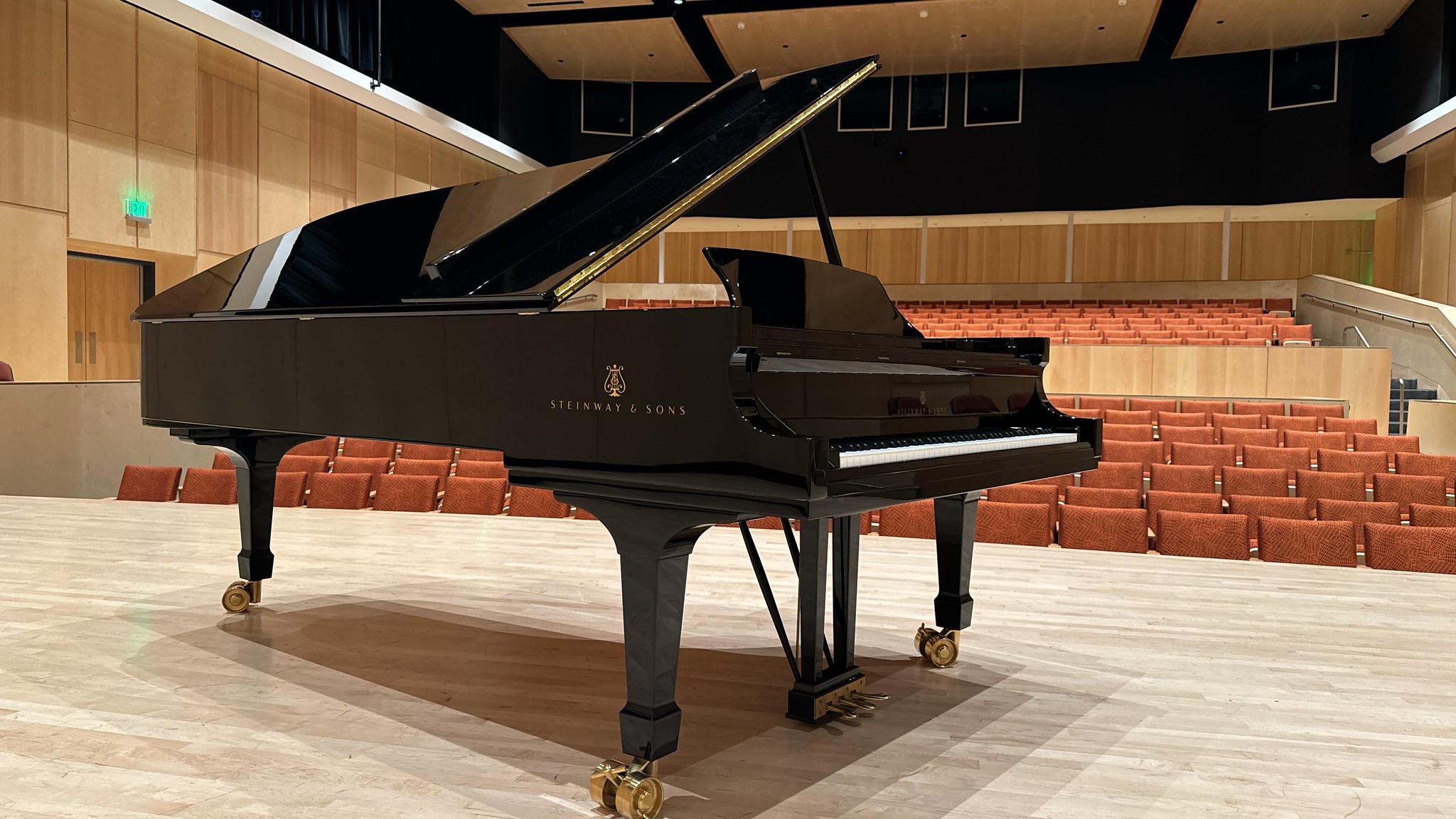
What I enjoy about studying classical piano is the chance to step into
another time, to feel the echoes of history through each note, and to
marvel at how a master could weave harmonies, rhythms, and melodies into
something so profound—expressing in sound what words often fail to
capture. It is a hobby that I feel chose me, rather than the other way
around, and perhaps that is why it continues to feel so natural, so
deeply personal, and endlessly fascinating. From Beethoven’s
groundbreaking symphonies to Mozart’s breathtaking sonatas, classical
piano is one of the most intricate and demanding genres for a musician
to master. Yet, its power to move audiences remains unchanged, spanning
generations and transcending time. Though the Classical era technically
spans from approximately 1730 to 1820, the study of classical piano
extends far beyond these dates. It encompasses the intricate
counterpoint of the Baroque period, the structured elegance of the
Classical era, and the passion and intensity of the Romantic period.
Additionally, it includes later composers who, while outside these
traditional eras, continued to write in a style rooted in classical
traditions. Many composers of the great piano works we admire today,
despite belonging to different eras, are still perceived as “classical,”
their works interwoven with those of their predecessors and
successors—like how J.S. Bach’s compositions laid the foundation for
Chopin’s poetic, dreamlike pieces. But beyond technique and history,
there is something else—a magic in the music itself. Classical pianists
do not merely play notes; they become storytellers, channeling the
emotions, struggles, and triumphs of composers long gone. Through the
disciplined study of technique, theory, and history, they sculpt
interpretations that transport listeners to distant times and places,
offering glimpses into the minds and hearts of geniuses who lived
centuries ago. The evolution of the piano itself is a testament to this
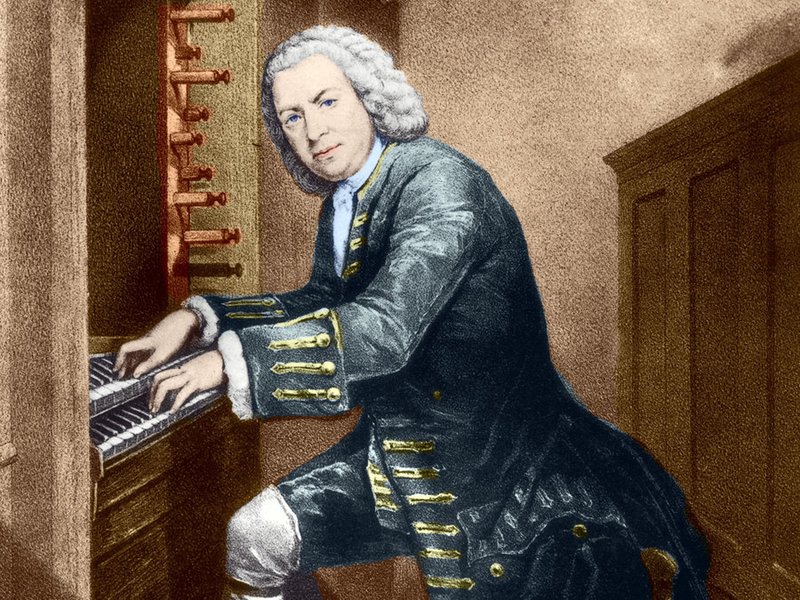
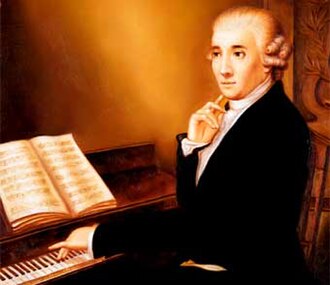
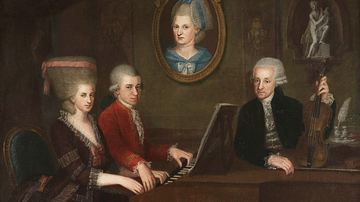
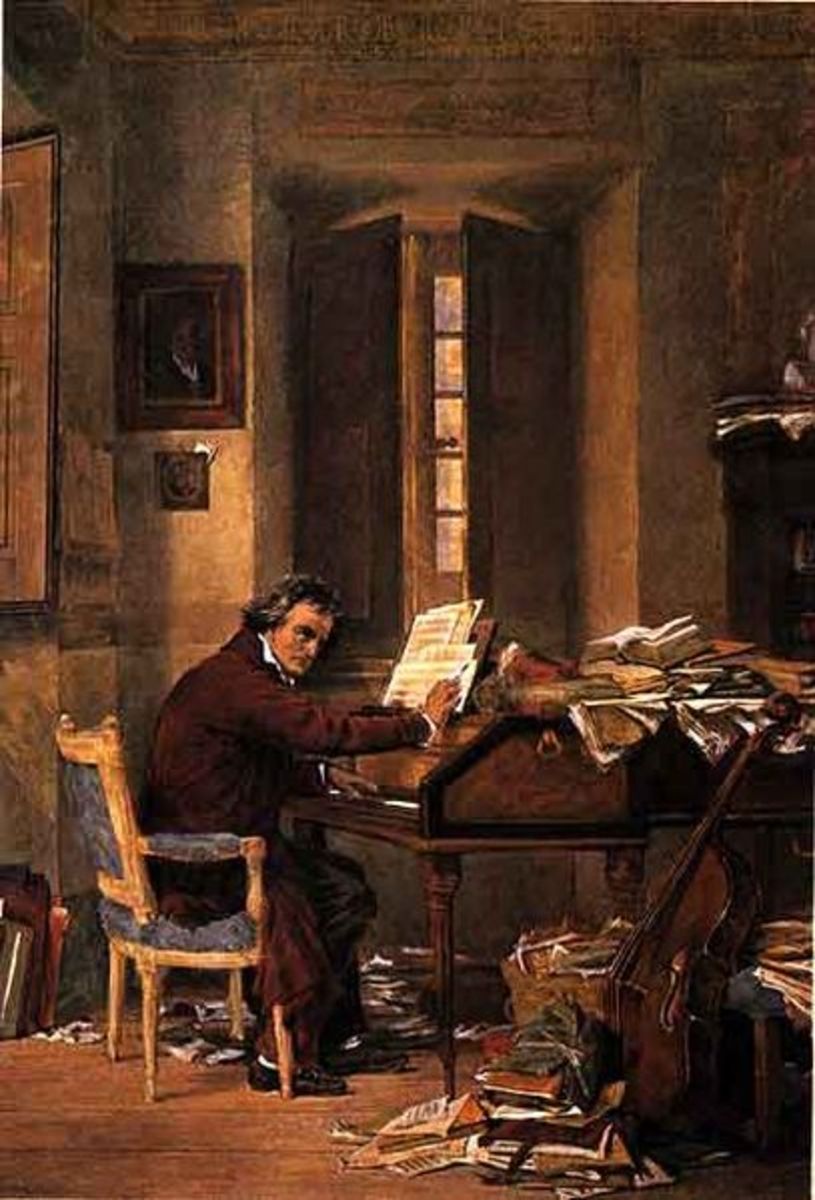
journey. The images above not only showcase the legendary figures of
classical music but also reveal how the keyboard has transformed over
time, shaping the way pieces are performed and experienced. Each
keystroke carries a legacy, a whisper of history, a challenge to the
pianist to interpret and breathe life into the music anew.
Feel free to click on the images above for more insight into this
fascinating world.