💃 Flamenco Dance & Music 🎵
↓ Golden Age of Flamenco ↓
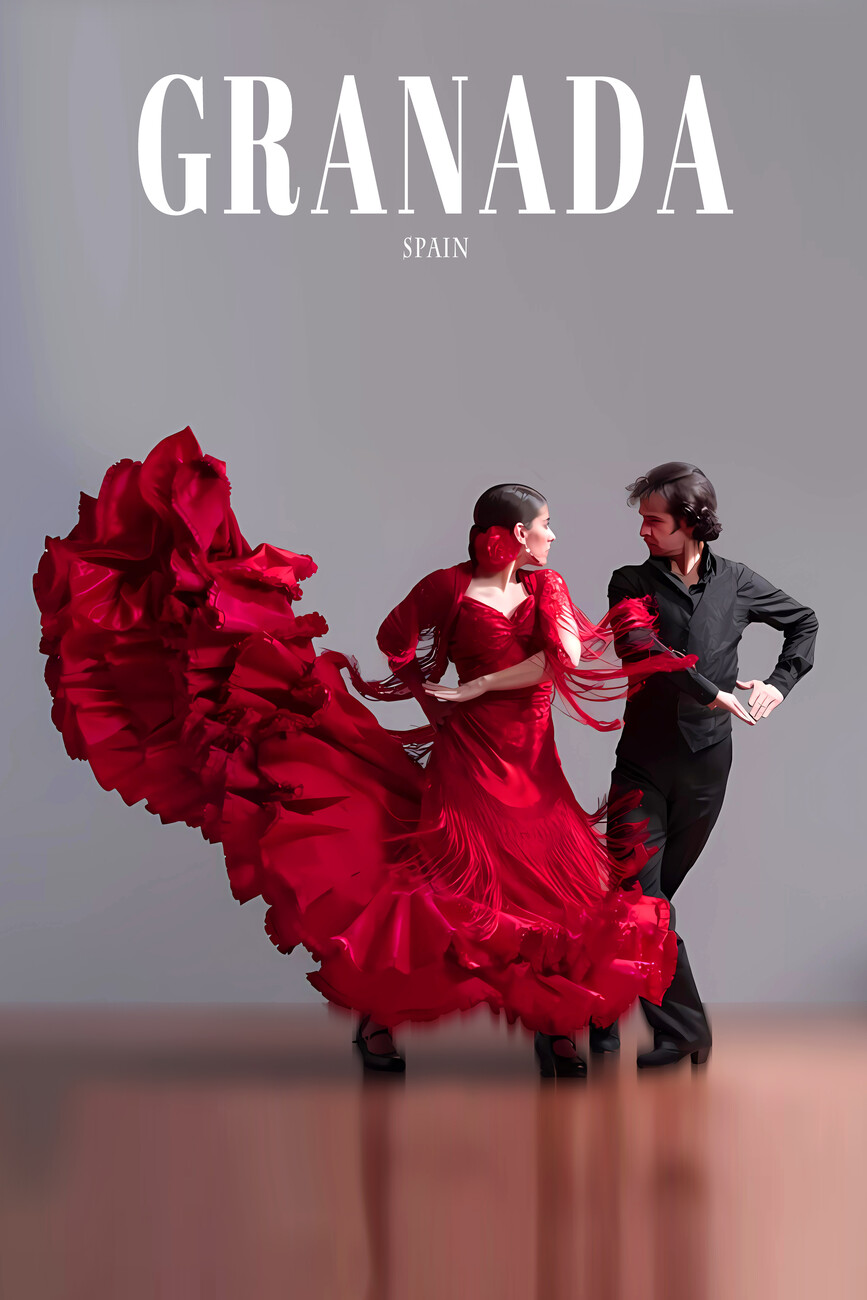
"Dance is the hidden langauge of the soul,
of the body"
by Martha Graham
Originating from the Andalusia region in Southern Spain, Flamenco is a
traditional Spanish dancing style that has been documented for the past
two hundred years. It is practiced throughout Spain even today and has
transcended geographical boundaries. After reaching popularity in the
United States, Flamenco has expanded far and wide, with there being more
flamenco academies in Japan than in its home country of Spain. This art
form has a remarkable multicultural heritage, as it has absorbed
influences from various traditions around the world before evolving into
the vibrant and captivating performance we know today. The Spanish art
form is made up of three parts: Guitarra (guitar playing), canto (song),
and baile (dance). Though flamenco originated in Andalucia, historians
agree that its development has been shaped by many other cultures,
including Latin American, Cuban, and Jewish traditions. One of the most
significant influences came from Gypsies, or the Roma people, who
brought flamenco from its roots in Andalusia to the other parts of
Spain. Romani culture places importance on moving frequently, as they do
not consider themselves true citizens of the countries they were born
in, but rather citizens of their Romani community. Flamenco also
traveled by boat to other continents through the vast immigration of the
1800s and 1900s.