CERAMICS
My favourite hobby
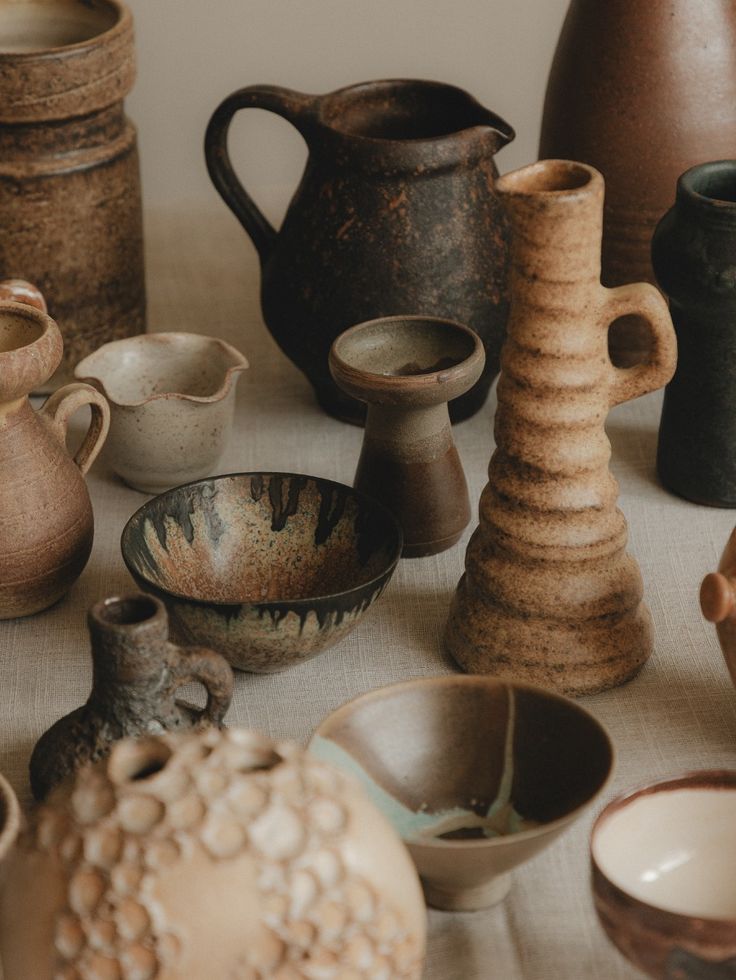
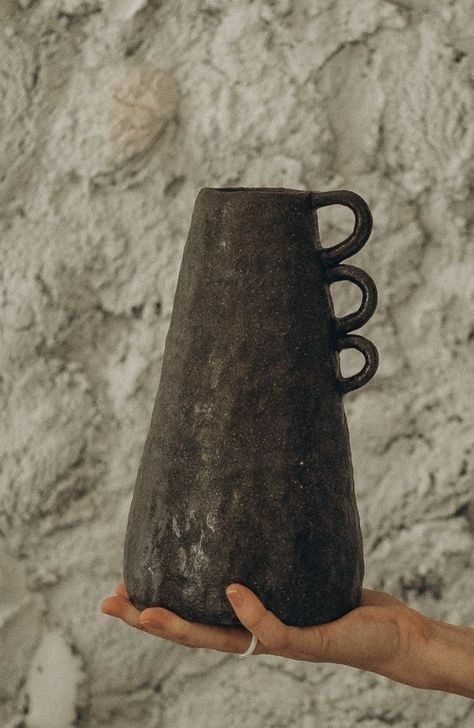
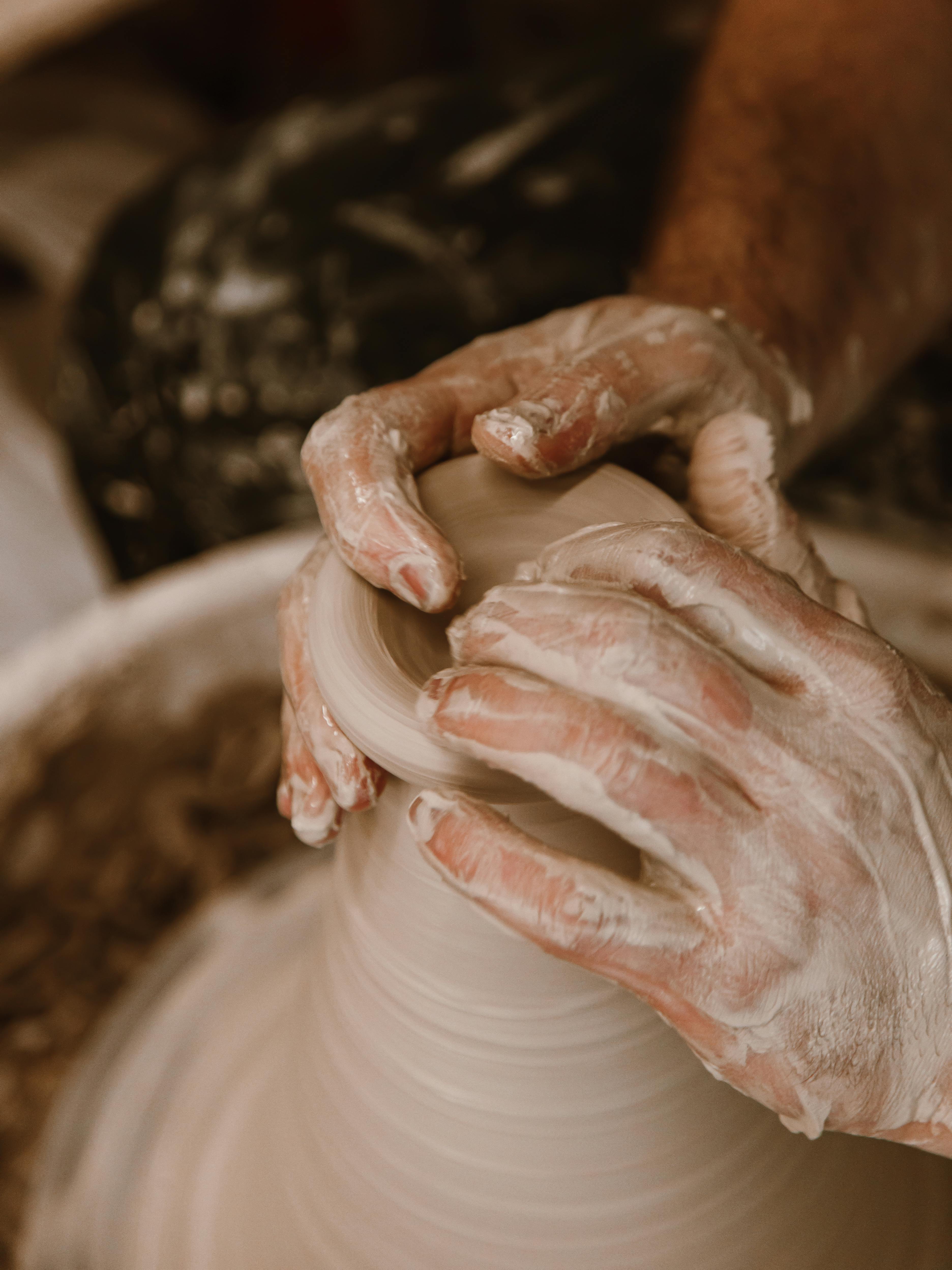
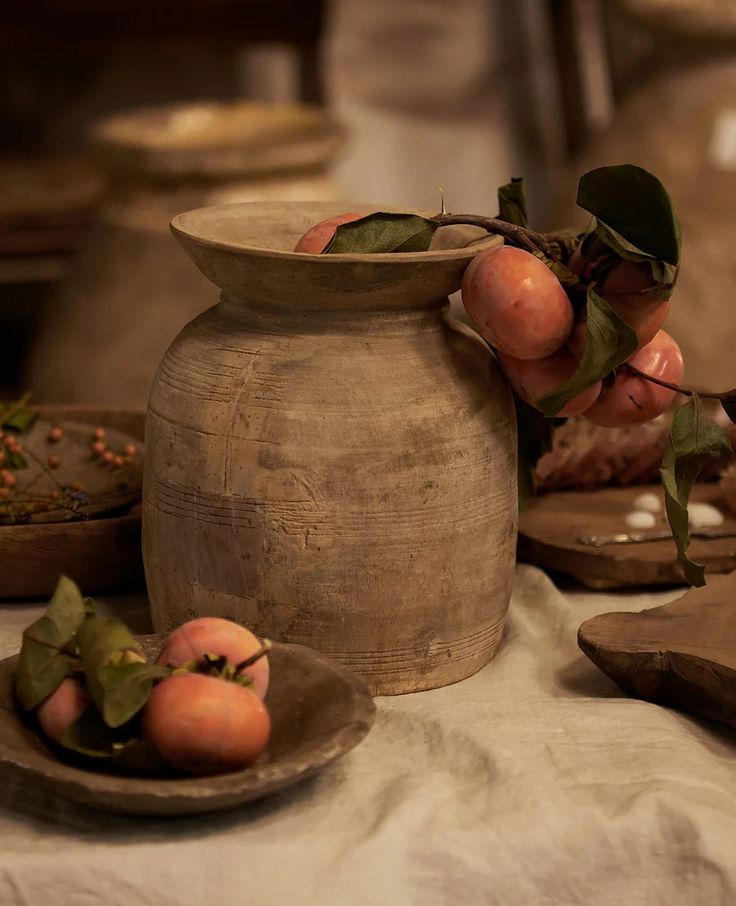
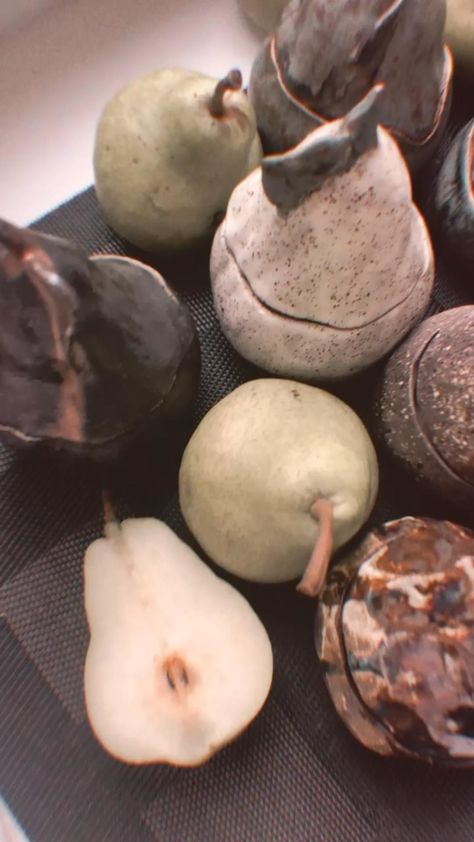
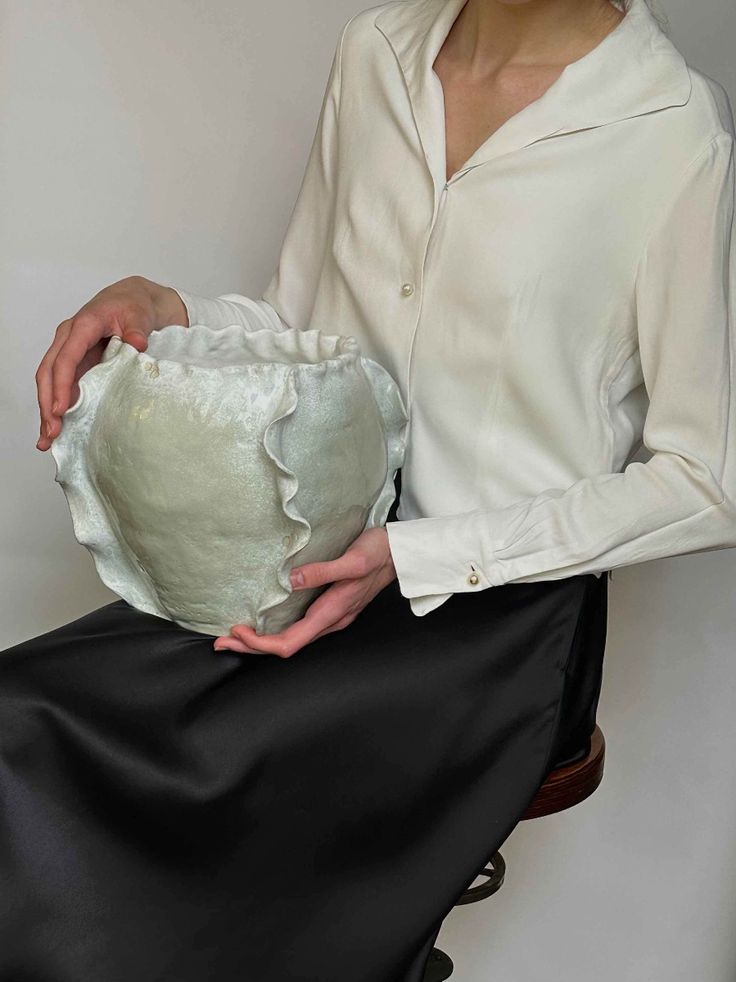
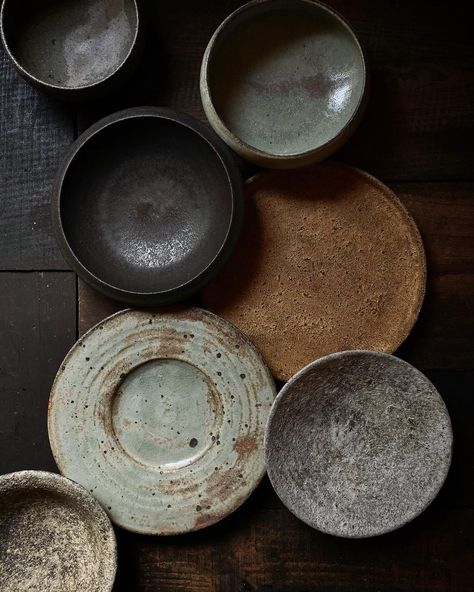

The term, “ceramic materials,” is a wide-ranging category largely defined by a lack of organic substances (those based around carbon-hydrogen bonds) and metallic elements. Absent those components, ceramics may be composed of: clay, minerals, oxides, and other compounds. Ceramics are basically what is left over after organic and metallic materials have been removed. Common ceramics are tiles, bricks, plates, glass, and toilets. Ceramics are a refractory material, which means they are durable and able to withstand high temperatures. They also resist high pressures and most chemical compounds and are generally poor electrical conductors. Most ceramics are non-magnetic. Some ceramics shatter easily, while others are very tough.
Learn more about ceramics