🧵
Sewing is Fun!
What is Sewing?
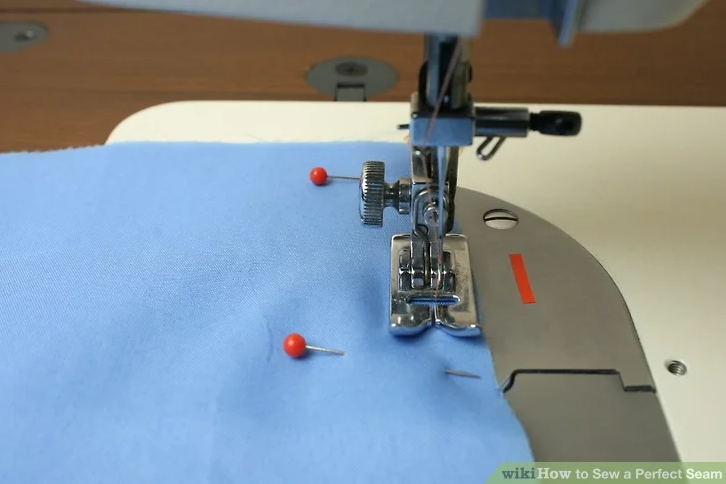
Sewing is the process of joining or attaching fabrics or materials
together using a needle and thread. It
can be done by hand or with a
sewing machine. Sewing is used to make
a wide variety of items, from clothing and accessories to home
furnishings and crafts. It involves techniques like stitching, hemming,
and embroidering to create, repair, or decorate fabric-based items.
For thousands of years, all sewing was done by hand. The invention of
the sewing machine in the 19th century and the rise of
computerisation
in the 20th century led to mass production and export of sewn objects,
but hand sewing is still practiced around the world. Fine hand sewing is
a characteristic of high-quality tailoring, haute couture fashion, and
custom dressmaking, and is pursued by both textile artists and hobbyists
as a means of creative expression.
Learn more on Wikipedia
Modern Sewing Technology
The home sewist in 2025 has access to a range of cutting-edge technologies that make sewing more efficient, precise, and creative. Here are some innovations that can be utilised:
-
Smart Sewing Machines
- Automated Stitch Recognition: Machines that automatically adjust stitch type, tension, and speed based on fabric type.
- Connectivity Features: Integration with smartphones or tablets for remote control, updates, and tutorials.
-
Projector Sewing
- Pattern Projection: Digital sewing patterns can be projected directly onto fabric using standard home cinema projectors, eliminating the need to purchase or print paper pattern pieces.
-
Digital Pattern-Making Tools
- 3D Scanning and Modeling: Scanners that create a 3D model of the sewist's body for perfectly tailored patterns.
- Pattern Design Software: Apps with augmented reality (AR) that allow users to visualize designs on fabric before sewing.
-
Cutting-Edge Fabric Cutting Tools
- Laser Cutters: Compact home laser cutters for precise and intricate fabric cuts.
-
Eco-Friendly and High-Tech Fabrics
- Smart Fabrics: Materials that change color or texture with heat or touch, adding a futuristic element to projects.
- Recyclable and Sustainable Textiles: Fabrics made from recycled materials or biodegradable fibers.
-
Custom Embroidery and Printing
- Digital Embroidery Machines: Devices that can upload and replicate any custom design.
- Fabric Printers: Print on demand services for creating unique fabric designs.
-
Online Learning and Community Platforms
- Online Tutorials: Immersive lessons that guide sewists through projects step-by-step. Many designers offer "sew-a-long" tutorials with new patterns.
- Sewing Social Networks: Platforms where sewists can share patterns, collaborate, and showcase their work.
These technologies empower home sewists to enhance their skills, explore creative possibilities, and work more efficiently, blending traditional craftsmanship with modern innovation.
Useful resources for modern sewing
Learn more about modern home sewing techniques at the links below:
- Recommendations for basic and computerised sewing machines and overlockers (sergers)
- Using a projector to access PDF patterns instantly, no more printing and taping!
- A reveiw of digital pattern making software options
- Online discussion about the merits of using laser cutters for sewing
- Programmable smart fabrics and potential uses
- Print-on-demand fabric printing services, e.g. Spoonflower
- Online communities for sharing information and pattern reviews, e.g. Threadloop
Click here to find a sewing class near you!
This page was built by Jillian CampbellJanuary 2025